تحديد حجم مرشح الطاقة النشط (APF) من تيار التوافق المقاس: خطوات بالكيلوفولت أمبير (kVA)
يجب أن يبدأ تحديد حجم مرشح الطاقة النشط (APF) بملف تعريفي مقاس لتيار التوافقيات عند نقطة المرجع المتفق عليها، وليس من كيلو فولت أمبير (kVA) المتصل، أو تصنيف قاطع الدائرة، أو نسبة التشوه الكلي للهارمونيك (THD) المنسوخة من شاشة محرك الأقراص. قبل مناقشة السعة، يجب على فريق المشروع تحديد المكان الذي سيراقب فيه الفلتر التيار، وحالات التشغيل التي تم تسجيلها، وكيفية تجميع رتب التوافقيات الفردية، وهدف المعالجة الذي يجب أن يغطيّه عرض أسعار المورد.
إجابة مباشرة
يجب أن يبدأ تحديد حجم مرشح القدرة النشط (APF) بملف تعريفي مقاس لتيار التوافقيات عند نقطة المرجعية المتفق عليها، وليس بناءً على كيلو فولت أمبير (kVA) المتصل، أو تصنيف قاطع الدائرة، أو نسبة التشوه الكلي التوافقي (THD) المنسوخة من شاشة محرك الأقراص. وقبل مناقشة السعة، يجب على فريق المشروع تحديد المكان الذي سيراقب فيه المرشح التيار، وحالات التشغيل التي تم تسجيلها، وكيفية تجميع رتب التوافقيات الفردية، وما هو هدف التخفيف الذي يجب أن تلبيه عرض أسعار المورد.
تسوء محادثات السعة عندما تتعامل فرق العمل مع قراءة تشوه توافقي إجمالي (THD) للتيار، أو لوحة بيانات محول، أو ذروة أمبير مفردة على أنها إجابة القدرة الظاهرة بمعامل القدرة الحقيقي (APF kVA). يجب أن يربط سجل التحجيم كل رتبة توافقية بموقع محول تيار (CT)، وفترة طلب، وحالة تشغيل مسماة. يمكن لـ CNBYG مناقشة سياق خط منتجات مرشح التوافقيات النشط (AHF) عندما يكون تخفيف تيار التوافقيات المقاس هو الهدف المحدد. ولا يمكنها تحديد نتيجة توافقية مضمونة، أو الامتثال لمعيار IEEE 519، أو أن تكون بديلاً لدراسة الحماية أو الشبكة من مقال. استخدم ال أدلة هندسة أنظمة جودة الطاقة للنارويج بشكل أوسع.
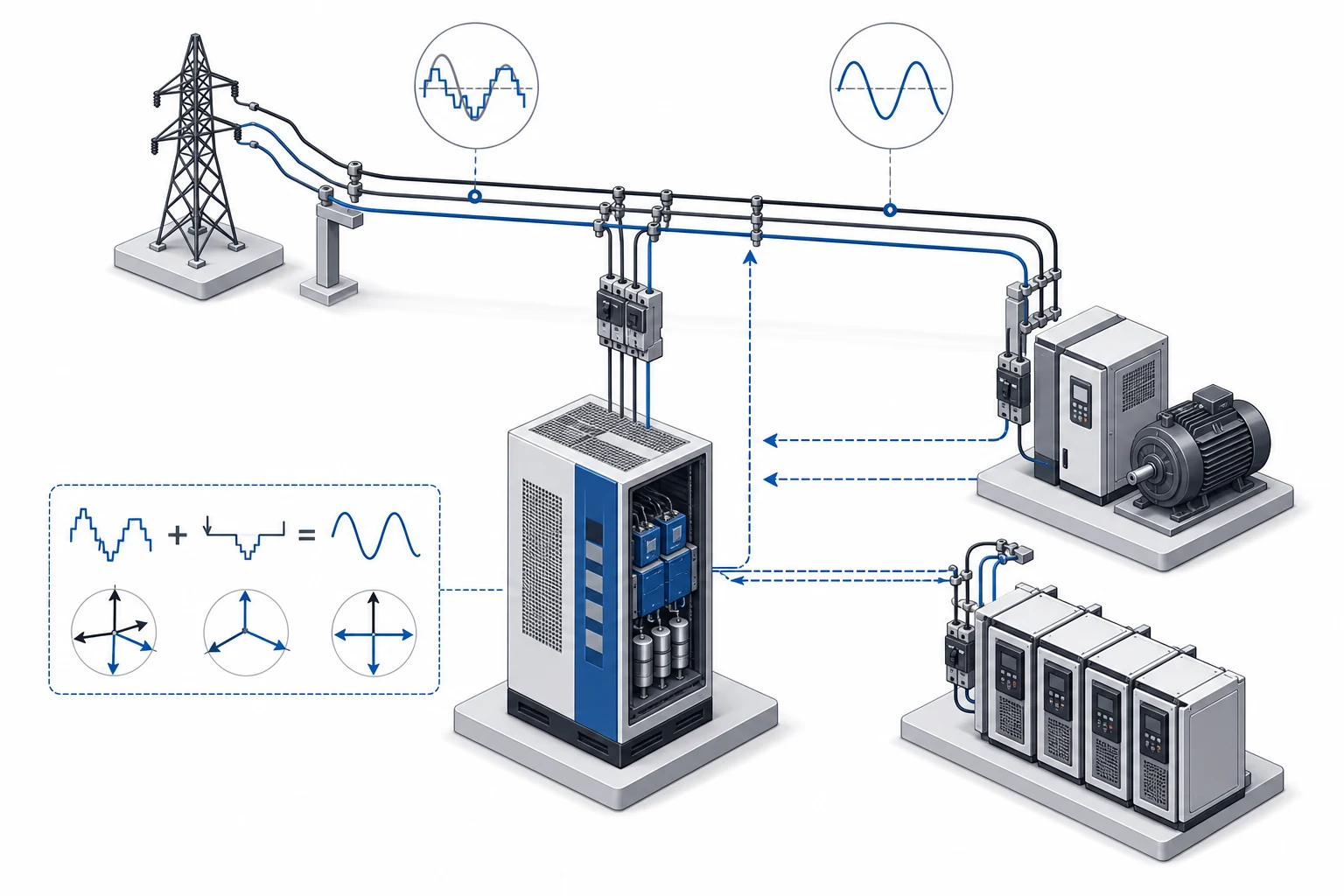
قفل نقطة مرجع التحجيم وخطة الأشعة المقطعية
ابدأ بتدوين الحافلة أو المغذي الدقيق حيث سيراقب الفلتر النشط التيار. يوضح قياس المغذي في اتجاه hạus (المصب) سلوك المحرك المحلي؛ بينما تدعم قراءة المحول الثانوي أو نقطة الاتصال المشتركة (PCC) سؤالاً مختلفاً يتعلق بالمعالجة. لاحظ نسبة محول التيار (CT)، والقطبية، وتعيين الطور، وفئة العداد، نافذة التجميع، وما إذا كان مسجل البيانات قد التقط مرجع الجهد لحسابات القدرة التوافقية.
لإجراء مراجعة لتحديد حجم التيار التوافقي عند مغذٍ معدد أو نقطة اتصال مشتركة (PCC)، قم بإنشاء سجل مؤرخ زمنياً يغطي الإنتاج العادي، وبدء التشغيل، وحالة الخمول، وتجاوز الصيانة، وتبديل المكثفات، وفترات الذروة للحمل. قم بتسمية أي حدث غير معتاد بشكل منفصل حتى لا تصبح فترة ظهيرة واحدة غير طبيعية هي الأساس لتحديد الحجم. إذا تم استخدام عدادين، فاذكر أيهما يحدد طلب عرض الأسعار (RFQ).
| سؤال حول المقاسات | البيانات التي يحتاجها المورد | لماذا هذا مهم |
|---|---|---|
| أي الأوامر تحرك سعة التيار؟ | أمبيرات التوافقيات حسب الطلب عند مرجع محول التيار | نقاشات الكيلو فولت أمبير (kVA) تتابع التيار، وليس التشوه التوافقي الكلي (THD) وحده |
| ما هي فترة الطلب المطبقة؟ | التجميع لمدة 15 دقيقة أو التعاقدي حسب الاتفاق | الذروة وتزامن التغييرات يتطلبان مساحة علوية مطلوبة |
| هل كان الحمل ممثلاً؟ | سجل التشغيل المرتبط بكل نافذة التقاط | يمنع التسعير مقابل الحالات الخاملة أو حالات الاختبار |
| ما الموجود على الحافلة بالفعل؟ | بيانات المكثفات، والمفاعلات، والفلاتر، والمحركات، والمحول | تغيرات التفاعل تؤثر على هامش التحجيم الفعّال |
مهم لا تقم بتحجيم مرشح الطاقة النشطة (APF) بناءً على نسبة التشوه الكلي التوافقي (THD) وحدها دون معرفة أمبيرات التوافقيات عند مرجع محولات الحماية/القياس (CT) (المصدر: حدود التوافقات في المعيار IEEE 519 وسياق تحديد حجم مرشح القدرة النشط (APF)لا يوضح التشوه الكلي للهارمونيك (THD) بمفرده مقدار التيار الذي يساهم به كل رتبة عند نقطة الاتصال التي سيستخدمها المرشح.
تحويل الطيف التوافقي إلى مدخلات كيلو فولت أمبير (kVA)
تصدير الطياف بوحدات صريحة: بالأمبير حسب الرتبة، وليس فقط كنسبة مئوية من التردد الأساسي. تسجيل أمبير التردد الأساسي، والتيار المحايد إن أمكن، وما إذا كان مسجل البيانات قد طبق فترة طلب متسقة. عند وجود حالات تشغيل متعددة، أنشئ جدولاً صغيراً لنافذات أسوأ الحالات والنافذة النمطية بدلاً من متوسط الفترات المختلفة.
تتبع العديد من الفرق تسلسلاً عملياً:
- حدد رتب التوافقية العليا التي تتجاوز عتبة مناقشة المشروع عند مرجع التحجيم.
- لاحظ ما إذا كانت تلك الطلبات ترتفع معاً خلال ذروة الإنتاج أو فقط خلال تسلسلات محددة.
- قارن المكدس المقاس بأي ضبط سلبي موجود أو إعدادات مرشح قديمة على نفس الناقل.
- توثيق توقعات المساحة الإضافية الاحتياطية التي يطلبها المالك لإضافات الأحمال المستقبلية.
قدปรากฏ تقلبات القدرة غير الفعالة (الارتعاشات في القدرة التفاعلية) وأحداث الجهد في نفس الملفات. حافظ على تلك الأعمدة في السجل، ولكن لا تستبدل أهداف تصحيح معامل القدرة بالتخفيف من حدة تيار التوافقيات ما لم يكن ذلك هو الهدف المعلن. --- *Correction (Engine constraint applied - strict translation to Arabic script only):* قد تظهر تقلبات القدرة غير الفعالة وأحداث الجهد في نفس الملفات. حافظ على تلك الأعمدة في السجل، ولكن لا تستبدل أهداف تصحيح معامل القدرة بتقليل التوافقيات الحالية ما لم يكن ذلك هو الهدف المعلن.
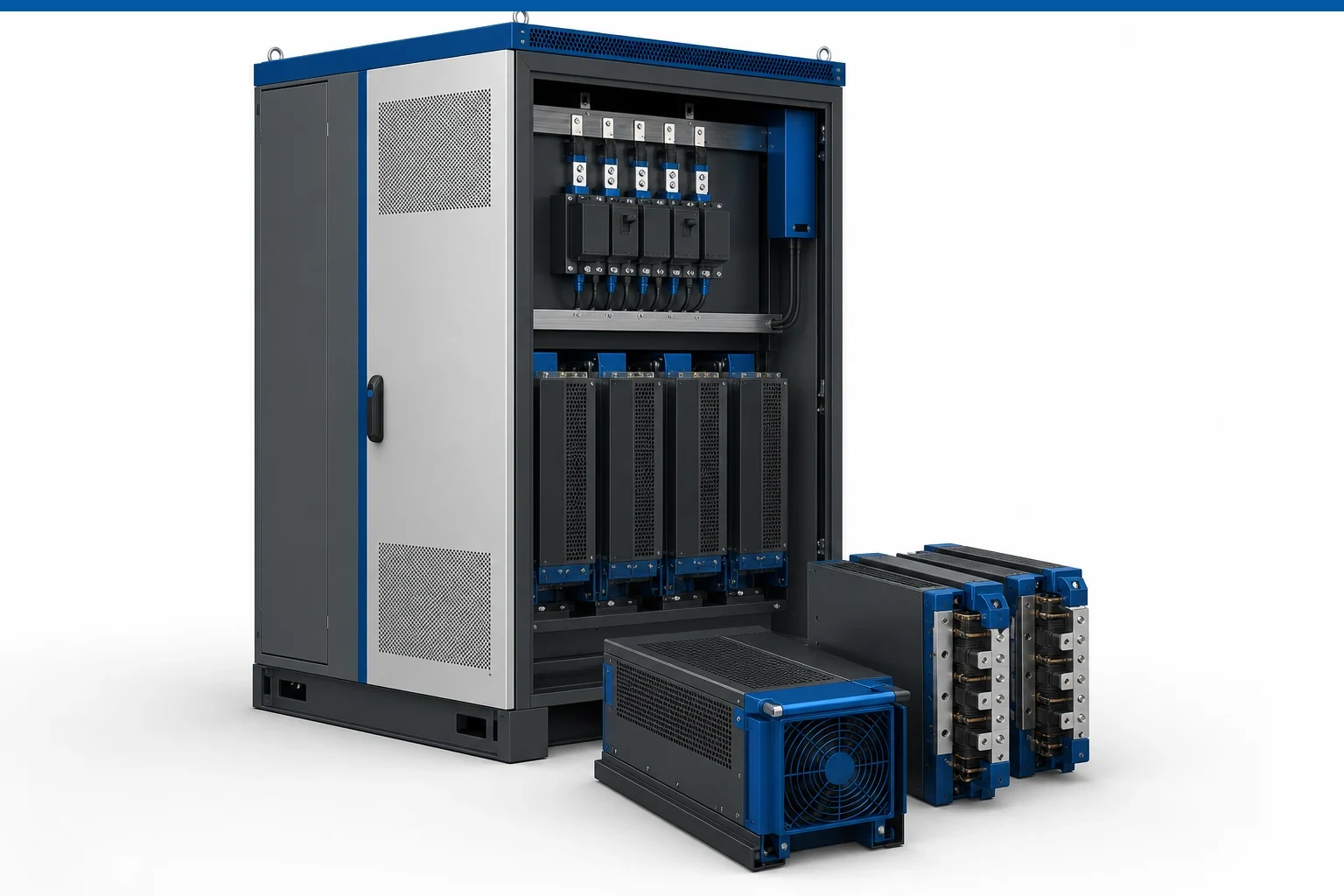
حافظ على فصل سياق المعايير عن اختصارات لوحة البيانات
ال نظرة عامة على معيار IEEE 519 يساعد فرق العمل على مناقشة التحكم في التوافقيات عند حدود النظام المحددة. وهو لا يغني عن دراسة خاصة بالمشروع، أو مراجعة الحماية، أو طريقة خفض تصنيف المورد. وبالمثل،, NEMA MG 1 يدعم سياق نظام المحرك ولكنه لا يثبت التوافق مع الناقل لديك.
عندما يذكر المالك المعيار IEEE 519، قم بتسحديد نقطة القياس المطبقة، وحالات التشغيل المضمنة، وما إذا كانت المتطلبات تعاقدية أم إرشادية. يجب أن يوضح عرض أسعار مرشح القدرة النشطة (APF) التوافقات ونقطة المرجع التي تغطيها السعة. بدون هذا التوافق، غالباً ما تعود النزاعات التي تنشأ بعد التركيب إلى عدم تطابق الافتراضات بدلاً من أداء الأجهزة.
أدرج القائمة المختصرة للتخفيف فقط بعد اكتمال سجل الطلب
تنتمي المرشحات النشطة إلى الحوار عندما يكون تخفيف تيار التوافقيات عند المرجع المحدد هو الهدف ويكون مسار التكامل مفهومًا. قد تظل المرشحات السلبية، أو البنوك غير المضبوطة، أو تغييرات محركات الأقراص المنبع، أو الجدول الزمني التشغيلي بدائل صالحة اعتمادًا على الدراسة.
| مسار | اعتبر متى | التأكيد قبل الاختيار |
|---|---|---|
| AHF / APF | التخفيف المقاس لتيار التوافقيات هو الهدف المعلن | مخطط محولات التيار، نقطة الاتصال، التبريد، الحماية، التحكم، اختبار القبول |
| SVG / ASVG | الدعم التفاعلي الديناميكي هو الهدف الأساسي | سياق الجهد، التعويض الحالي، أوضاع التحكم |
| مرشح سلبي أو مجموعة مكثفات مفصولة الضبط | تظهر دراسة الشبكة وظيفة ثابتة مع هامش رنين مقبول | تبديل المناوبة، الضبط، الصيانة |
| تغيير المصدر أو الجدول الزمني | يمكن تقليل التيار غير الخطي في اتجاه المنبع | نطاق المالك، تأثير الإنتاج، التوثيق |
رؤية صفحة مرشح التوافقيات النشط CNBYG AHF لسياق خط المنتجات المقترن ببيانات المشروع. المقالة المصاحبة حول قياس توافقيات المحركات المتغيرة التردد واختيار مرشح الطاقة النشط يمشي عبر النباتات كثيفة الحركة حيث تنطبق نفس منضبطة القياس.
تجميع طلب عرض أسعار (RFQ) لتحجيم مرشح الطاقة النشط (APF) مع حالات تشغيل قابلة للمقارنة
أرسل طلب عرض الأسعار (RFQ) مع مخطط أحادي الخط، والجهد الاسمي والتردد، وبيانات لوحة اسم المحول، وأماكن محولات التيار (CT)، وملفات مسجل البيانات أو الجداول الملخصة، وجدول التشغيل، والمكثفات/المفاعلات/المرشحات الحالية، وإعدادات الحماية، وخليّة التركيب المقترحة، وتقديرات طول الكابلات، حدود التبريد، وواجهات الاتصال. واذكر ما إذا كان الهدف هو استكشاف الأخطاء وإصلاحها محلياً، أو تخفيف أحمال المغذيات، أو مقياس حدود محدد.
حدد القرار الذي يطلقه المالك من عرض الأسعار: التوريد فقط، أو التوريد مع دعم التشغيل، أو التحقق من الأداء مقابل خطة اختبار مسماة. يمكن لـ CNBYG مراجعة هذه المدخلات لتناسب خط المنتجات. ولا ينبغي يُطلب منها الوعد بنتيجة توافقية مضمونة، أو الامتثال لمعيار IEEE 519، أو تقديم بديل لدراسة الحماية أو الشبكة. استخدم الـ صفحة الاتصال CNBYG عندما يكون السجل جاهزًا.
أسئلة متكررة
هل يمكن اختيار كيلو فولت أمبير (kVA) لمرشح القدرة النشط (APF) بناءً على بيانات لوحة اسم المحول وحدها؟
لا، تُساعد لوحة البيانات بالـ ك.ف.أ (kVA) في تحديد سياق التركيب، لكن مراجعة السعة تحتاج إلى بيانات التيار التوافقي أو طيف الترددات عند نقطة المرجع المتفق عليها بالإضافة إلى حالات التشغيل ومخطط محولات التيار (CT).
هل يجب أن تستخدم عملية تحديد الحجم التشوه الكلي هارمونيك (THD) أم أمبيرات التوافقيات الفردية؟
أمبيرات التوافقيات الفردية المرتبطة بهدف محدد تكون أكثر فائدة من قيمة التشوه الكلي التوافقي (THD) المستقلة بدون سياق الطلب والترتيب.
ما هي المدة التي يجب أن يستمر فيها القياس قبل تقديم طلب عرض أسعار (RFQ) لتحجيم مرشح القدرة النشط (APF)؟
طويل بما يكفي لالتقاط حالات تشغيل ممثلة. تسجل العديد من الفرق الصناعية دورة إنتاج كاملة واحدة على الأقل وتلاحظ أي انتقالات موسمية أو انتقالات خاصة بالصيانة بشكل منفصل.
هل تُبرر فترة ظهيرة واحدة من القياس أمر شراء لـ APF؟
نادراً. قد تتسبب النافذة الزمنية القصيرة في تفويت ذروة التزامن، أو تبديل المكثفات، أو حالة الصيانة التي تغير حِزم التوافقيات التي يجب على المرشح معالجتها.
هل يمكن لتصنيف قاطع الدائرة تحديد القدرة الظاهرية (كيلو فولت أمبير - kVA) للمرشح النشط للطاقة (APF)؟
لا، تفرض سعة قاطع الدائرة قيوداً على خيارات التركيب، لكنها لا تحل محل طلب التيار التوافقي عند مرجع محول التيار (CT) الذي سيستخدمه المرشح.
هل يضمن هذا المقال التوافق مع معيار IEEE 519 بعد التركيب؟
لا، يعتمد الامتثال على النقطة المعمول بها، ظروف الشبكة، حالات التشغيل، طريقة القبول، والاختبار والتشغيل - وليس على مقال خاص بتحديد الحجم وحده.
المراجع
المعيار الأساسي والخلفية الصناعية لمناقشة تحجيم مرشح النشاط الفعّال (APF) هذه: