التقاط الأحداث التوافقية المتقطعة باستخدام سجلات قابلة للمراجعة
Intermittent-load investigations often need more than a long average trend. Event-triggered harmonic logging can preserve what happened at a named electrical boundary when a defined condition occurred, provided that the trigger settings, clock, meter setup, and operating state are saved with the record.
للحصول على سياق تخطيط أوسع، ابدأ بـ أدلة جودة الطاقة الكهربائية. This article explains how to organize event evidence; it does not identify a root cause, prescribe a device, or promise an operating result.

إجابة مباشرة
Set a reviewable trigger, retain the electrical boundary and capture settings, and log the operating condition at the same time. Then compare events collected under like conditions before treating them as evidence for a project discussion.
Part 1. Define the event question before enabling triggers
Write the question before choosing a trigger. A team may want to capture a recurring process transition, a repeated start sequence, a switching change, or an unexplained alarm window. Each requires a named electrical location and a clear description of the event the record is expected to catch.
Mark the meter, CT, voltage reference, and included circuits on the one-line diagram. Keep the project question beside the location. This prevents a local capture from being described later as a complete plant record.
مهم Do not treat an event waveform as proof of a root cause or a mitigation result. The electrical boundary, operating condition, and project acceptance method need separate definition (نظرة عامة على IEEE 519).
| Event question | Boundary to document | أدلة للاحتفاظ بها |
|---|---|---|
| Repeatable process transition | Defined process feeder | Process state, trigger time, and included load groups |
| Switching-related observation | Selected bus or feeder | Switching state, meter setup, and prior/post window |
| Alarm or trip review | Agreed electrical location | Alarm clock, event export, and operating log |
Part 2. Choose a trigger that can be reviewed later
Choose a trigger that another reviewer can understand from the report. Record the trigger type, threshold or event rule as configured, pre-event and post-event duration, sampling or aggregation setting, and any holdoff logic. The aim is not to collect the largest number of files; it is to collect records that can be compared.
Avoid using a vague description such as “high harmonics” as the only trigger note. Include the original instrument export and a short configuration note. If settings change during the collection period, label the events as separate series.
| Trigger-record item | Keep with the export | Review use |
|---|---|---|
| Trigger rule | Instrument field or documented event condition | Shows why the capture started. |
| Time window | Pre-event, event, and post-event period | Supports comparison across similar events. |
| Meter setup | CT ratio, voltage reference, and configuration | Identifies what the record includes. |
| Configuration change | Date and reason for changed settings | Stops unlike captures being merged. |
Part 3. Keep electrical and operating clocks together
An event record needs both an electrical clock and an operating log. Note the shift, process state, active drive groups, rectifiers, UPS loads, starts, stops, transfers, capacitor switching, bypass condition, and source arrangement. A timestamp alone does not show what the plant was doing.
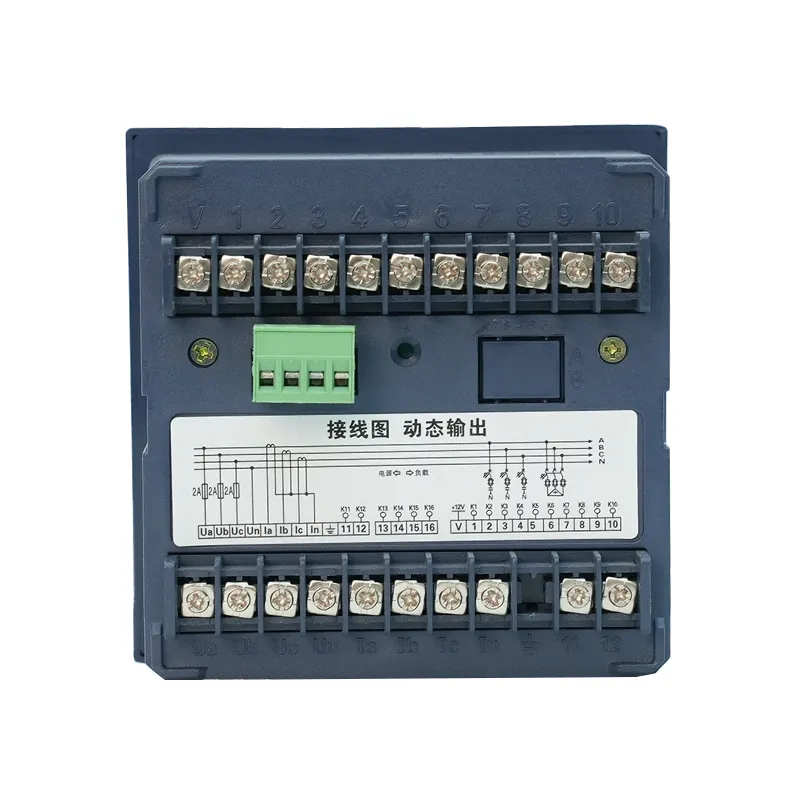
Synchronize clocks where the available tools allow it, then state any known uncertainty in the report. The objective is traceability, not a claim that every event has the same cause. The event and flicker measurement context article is a separate example of why operating state belongs beside power-quality data.
Part 4. Compare repeatable events at the same boundary
Compare event captures only when the electrical location and measurement configuration are known. Group records by similar process condition, then check whether the trigger, load state, and waveform or current evidence are consistent. A single anomalous capture may be important, but it should be labeled as an isolated observation until similar evidence is available.
| Comparison question | أبقِ الأمر سراً أو افصح عنه | تجنب الافتراض |
|---|---|---|
| Was the same boundary used? | عداد، محول تيار، ومرجع جهد | That two feeders describe the same load mix. |
| Was the operating state similar? | Process condition and major loads | That every shift is equivalent. |
| Did the trigger rule change? | Configuration and time window | That all captures were started the same way. |
| Was another event coincident? | Switching, source, or maintenance note | That harmonic current explains every observation. |
For a broader collection checklist, see power quality metering before an RFQ. It organizes evidence but does not certify a plant condition.
Part 5. Separate event evidence from a mitigation promise
Event data can help define a review scope, but it does not select equipment by itself. Before an AHF/APF discussion, establish the harmonic-current objective, connection point, CT arrangement, representative load record, protection coordination, installation constraints, cable route, cooling, communications, and acceptance method.
ال سياق منتج مرشح التوافقيات النشط AHF page is a starting point for a defined harmonic-current question. It does not guarantee removal of an event, prevention of a trip, or a particular operating result.

Part 6. Send an event record package with the RFQ
Package the event evidence so a reviewer can trace it back to the plant condition. Include both original exports and the notes needed to interpret them.
| يجب على المشتري أن يوفر | لماذا هذا مهم |
|---|---|
| One-line diagram and declared nominal system information | Defines the electrical boundary and supply context. |
| Meter, CT, and voltage-reference positions | Identifies the actual measurement location. |
| Trigger rule, settings, and event exports | Makes the capture method reviewable. |
| Clock reference and operating-state log | Connects events to plant operation. |
| Load inventory and existing equipment | Identifies the context around each capture. |
| Protection, installation limits, and acceptance requirements | Defines integration and project boundaries. |
CNBYG can discuss product-line fit after the event records establish a defined harmonic-current objective. Use the event record package to begin that conversation; this guide cannot replace a root-cause study or promise a project result.
أسئلة متكررة
What is event-triggered harmonic logging?
It is a method of capturing electrical records when a documented event condition occurs. The record should include the trigger rule, electrical location, time window, meter setup, and operating state.
What should trigger a capture?
Choose a trigger that matches the review question and can be documented later. Save the original instrument setting, the capture window, and any configuration change.
Does one event prove a root cause?
No. One capture can identify an observation, but comparable records, operating context, and project review are needed before assigning cause or selecting mitigation.
Why record operating state with an event?
The active process, load groups, starts, switching, and source arrangement can change what the electrical record represents. The operating log makes comparisons meaningful.
Can event data select an APF?
No. An AHF/APF review still needs a defined harmonic-current objective, connection point, representative load data, integration constraints, and acceptance scope.
What belongs in an event-based RFQ package?
Send the one-line diagram, measurement setup, trigger settings, event exports, time and operating logs, load inventory, existing equipment details, and installation constraints.