

A tuned passive filter should be discussed inside a defined application boundary. The boundary includes topology, source conditions, capacitor states, load cases, measurements and responsibility for protection review.

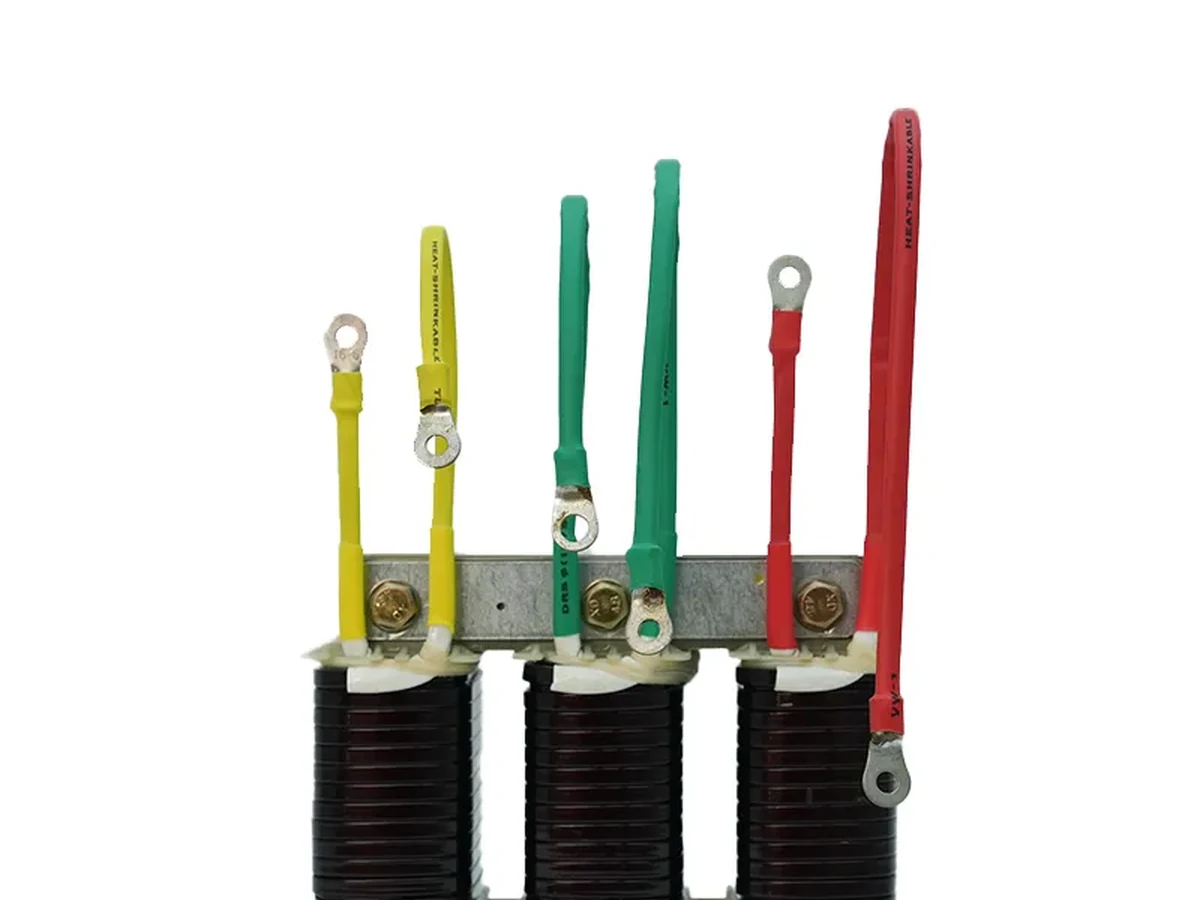
Direct answer
Before discussing a tuning point or reactor family, document where the filter connects, what operating cases exist and what resonance evidence is available. A product image or nameplate cannot establish application fit.
Part 1. Define the application boundary
Name the bus, feeder, source arrangement, capacitor stages, measurement point and decision owner. A filter discussion without a one-line boundary can assign a component to the wrong electrical section.
| Boundary item | Record | Why it matters |
|---|---|---|
| connection point | bus or feeder and drawing revision | fixes the electrical scope |
| source arrangement | transformer, utility or generator context | changes study assumptions |
| capacitor state | stages and control mode | exposes interaction questions |
Part 2. Identify resonance questions
Ask whether source impedance, capacitor state and operating scenarios have been documented. The Schneider harmonic-solutions guide provides system context, but it does not prescribe a tuning value for an unnamed installation.
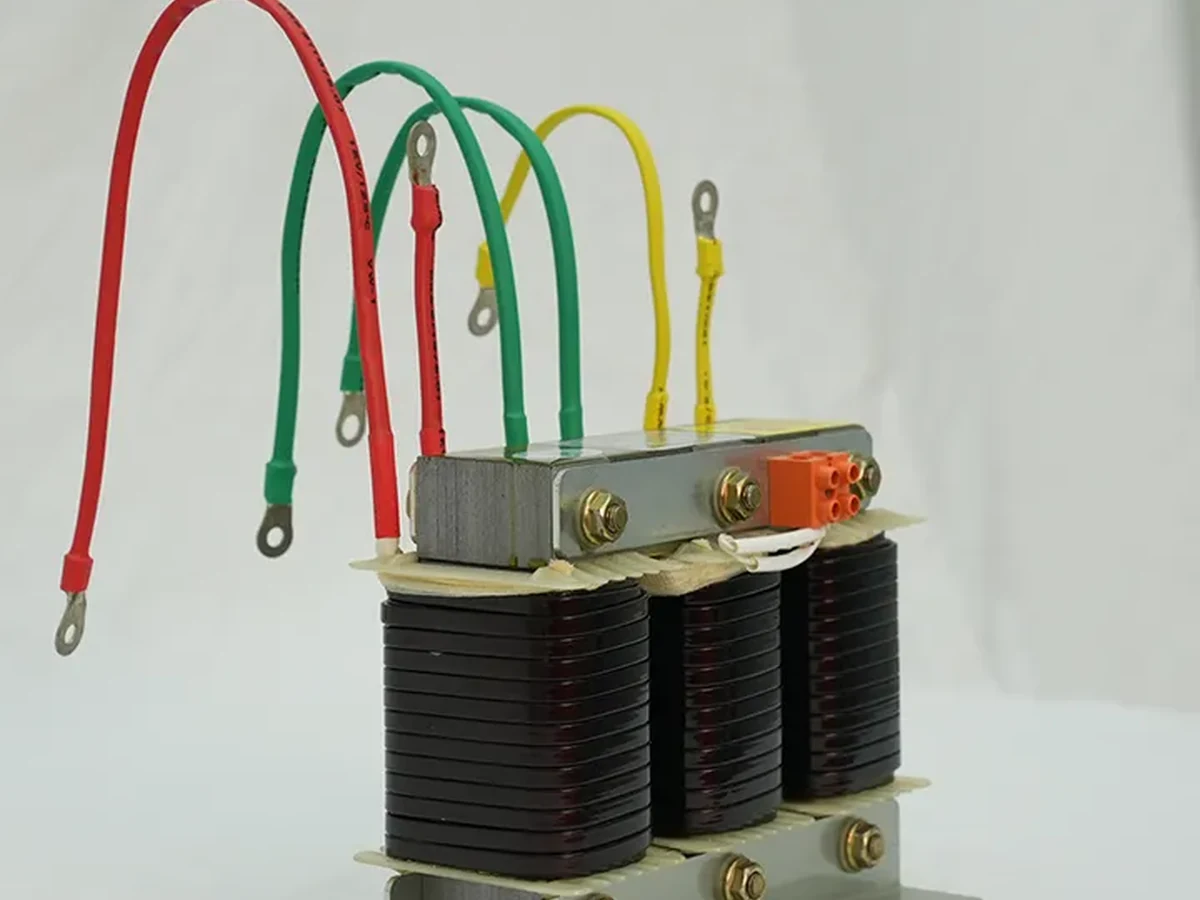
Important: A tuned passive filter is not a universal resonance-removal guarantee. Its application must be reviewed against the stated topology, source conditions and operating cases. The IEC Technical Committee 77 page is retained as boundary context.
Part 3. Separate stable and changing loads
Separate a repeatable operating case from cases where production, drives, converters or capacitor stages change. A stable case may support a focused study; a changing case needs more representative evidence before a boundary can be accepted.
| Load condition | Evidence | Boundary question |
|---|---|---|
| stable production | repeated spectrum and power data | is the case repeatable? |
| changing production | event notes and multiple captures | what range must be covered? |
| source or capacitor change | switching and topology record | does the study boundary move? |
Part 4. Set evidence before tuning discussion
Gather one-line drawings, representative spectra, load schedules, source data, capacitor information and protection responsibilities before discussing a product. The detuned versus tuned study-input guide is a related evidence checklist, not a tuning prescription.
Part 5. Record non-fit conditions
State the conditions that stop a recommendation: missing source data, unclear capacitor status, unrepresentative captures, undocumented topology changes or an undefined protection owner. Explicit non-fit notes keep a product page from being mistaken for project approval.
| Non-fit signal | Action |
|---|---|
| one screenshot only | request repeated captures |
| unclear connection point | request one-line and drawing revision |
| unknown capacitor state | document stages and control mode |
| no responsibility boundary | assign engineering review owner |
Part 6. Prepare a bounded inquiry
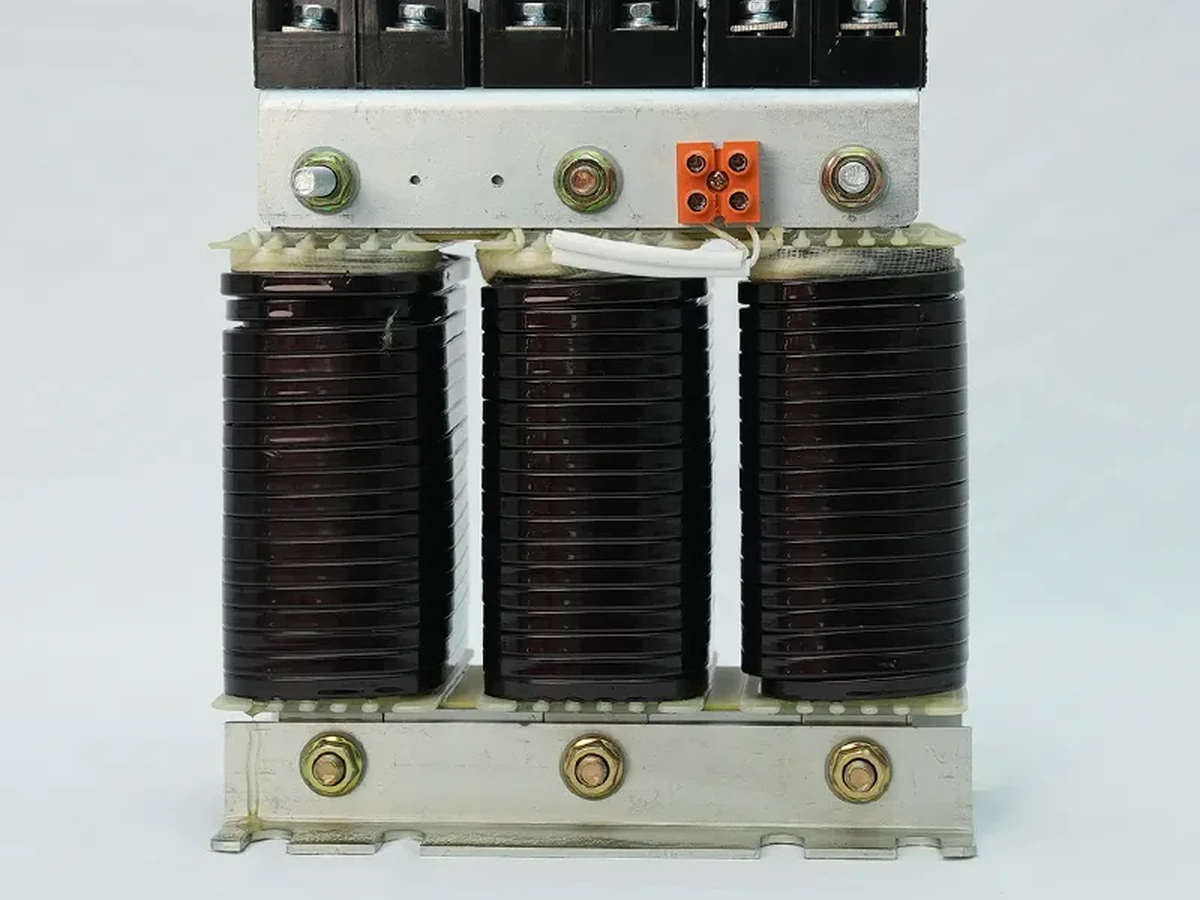
The CNBYG CKSG reactor context can be included in an inquiry after the application boundary is documented. The public page does not prove a tuning point, resonance result or project fit.
| Send with quote / RFQ | Why it matters | Avoid |
|---|---|---|
| one-line and connection point | fixes scope | an unnamed cabinet |
| source and capacitor records | exposes interactions | a tuning promise |
| repeated operating cases | tests the boundary | a single capture |
| protection and review responsibility | clarifies decision ownership | an implied approval |
Product recommendation: use CKSG as product context only after those inputs are assembled. Send the application package for a bounded review. This article does not authorize switching, establish compliance or guarantee resonance performance.
FAQs
What is an application boundary?
It is the stated electrical scope, operating cases, evidence and responsibility used to evaluate a tuned passive-filter question.
Does a tuned filter remove all resonance?
No. Resonance questions depend on topology, source conditions, capacitor states and operating cases; no universal guarantee is made.
Which system records matter?
Keep the one-line, source data, capacitor information, representative spectra, load schedule and protection responsibility.
Why separate stable and changing loads?
They create different evidence needs. A changing load may require more cases before a boundary is reviewable.
Can a product page prove fit?
No. It provides product context, not project-specific fit, tuning, compliance or acceptance.
What belongs in an RFQ?
Include the connection point, drawings, source and capacitor records, operating cases, measurements, objective and constraints.
When is engineering review required?
Use qualified review for resonance, protection, live switching, unclear topology, acceptance decisions or conclusions beyond the evidence.