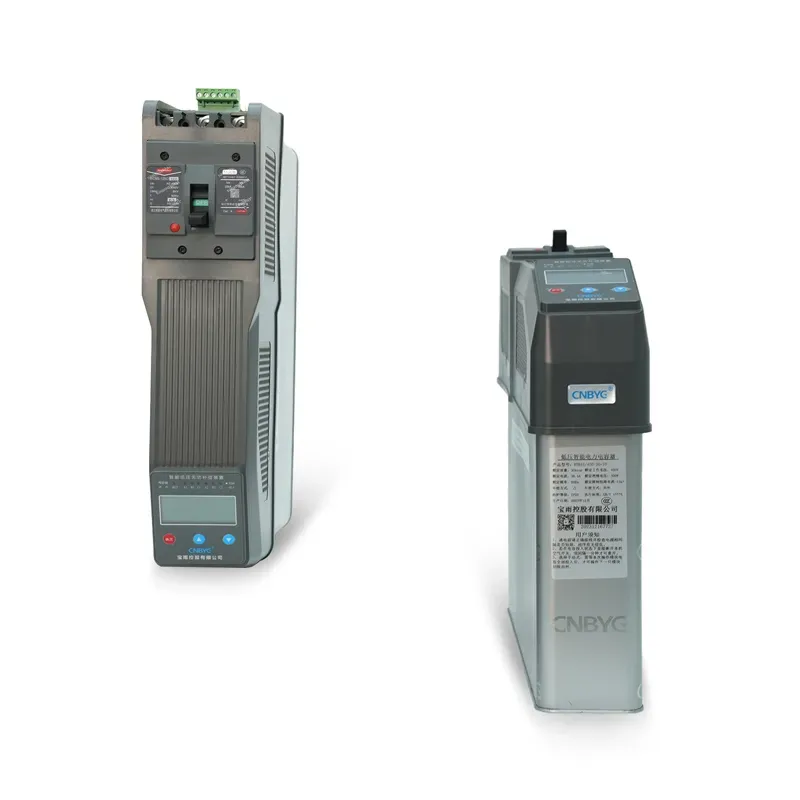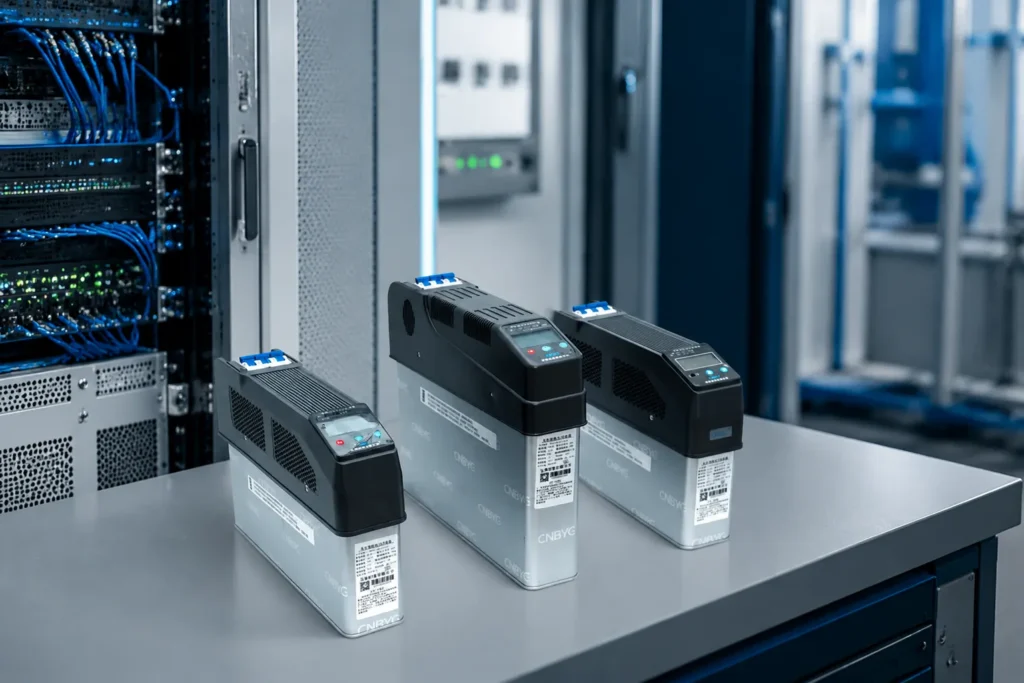
Optimal performance and stability of power systems are critical in an ever-changing world with electric grids being constantly upgraded. The intelligent capacitor status indicator is one of the key components that have attracted interest for improving both efficiency and reliability in electric utilities. Understanding what this advanced electrical technology is and how it will impact your infrastructure is key to understanding its advantages and capabilities.
What is an Intelligent Capacitor State Indicator?
Intelligent capacitor state monitors are monitoring devices used to provide operators with real-time information about the operational status of capacitor banks. Intelligent capacitor state monitors function as capacitance indicators and collect and analyze data regarding the condition of capacitors, including information about the voltage level, current flow, and any other relevant data points related to the capacities of capacitors. By analyzing this data, operators can evaluate the health of their capacitors’ electrical systems and make informed decisions about how to maintain their capacitor systems.
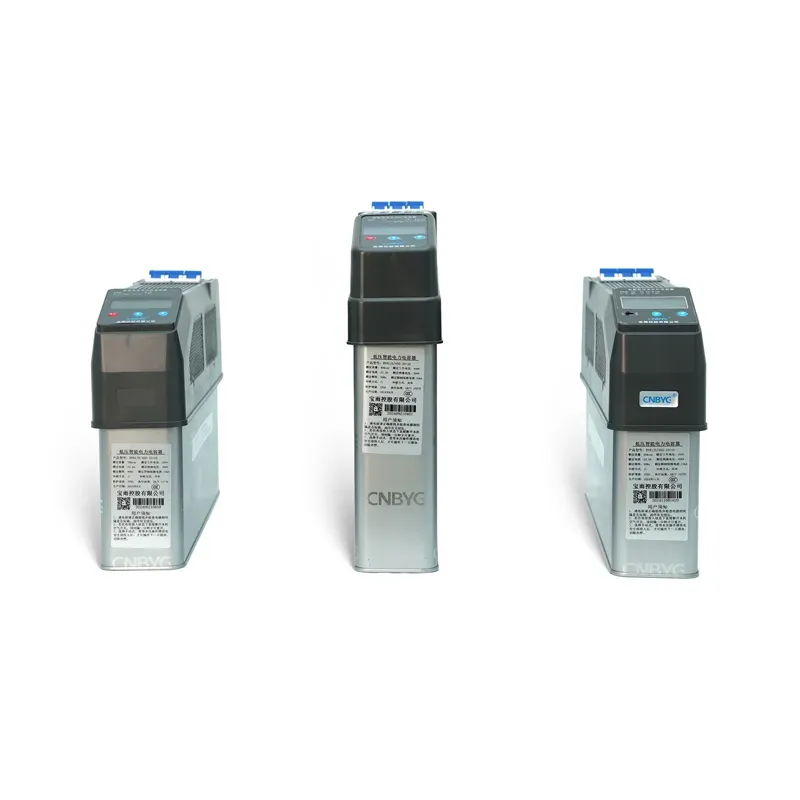

How Does an Intelligent Capacitor State Indicator Work?
An Intelligent Capacitor State Indicator (ICSI) utilizes advanced sensors and data analytics to continuously monitor the electrical characteristics of capacitors. The indicator provides operators with real-time information about the performance of capacitors, including identification of potential problems by tracking any changes in the electrical characteristics of the capacitor.
When the electrical characteristics of a capacitor exceed user-defined thresholds, an alarm is triggered for the operator to perform maintenance or make adjustments. By providing this early warning to the operator, ICSIs permit the operator to mitigate the risk of failure in their power system and thereby improve overall system performance.
Key Functions of an Intelligent Capacitor State Indicator
The primary functions of an intelligent capacitor state indicator include:
- Real-time monitoring of capacitance and voltage
- Predictive diagnostics for potential failures
- Data logging for historical analysis and reporting
- Remote accessibility for comprehensive oversight
Improved Power Quality and System Reliability
An intelligent capacitor state indicator is ideal for improving both power quality and equipment reliability. According to the current state of technology, capacitors are essential to maintaining voltage levels in an electrical system, and by providing a means to monitor capacitor performance, an intelligent capacitor state indicator can help ensure that these devices are always being used to their fullest potential. Identifying abnormal capacitor behaviour at an early stage will help prevent power quality problems (including voltage sags, harmonic distortion, and overall system instability) from occurring. Improving power quality will obviously be very advantageous to any operations in which sensitive equipment or technology is being utilized.
Frequently Asked Questions
What are the benefits of using an intelligent capacitor state indicator?
Implementing these indicators can result in lower costs related to maintenance, increased performance of the power system and less time spent in outages.
Why is monitoring capacitor banks important?
Capacitor bank operation is essential to voltage regulation and power factor correction, which are critical elements in maintaining the overall health of the power system and, therefore, capacitor bank reliability is very important to the health of the power system.
Can an intelligent capacitor state indicator integrate with existing systems?
Certainly, the majority of cutting-edge indicators have been engineered to easily integrate into pre-existing power management systems, enabling better monitoring without the need for large-scale system redesign.
The implementation of an intelligent capacitor state indicator in your power systems is for more than just having a good idea; it’s actually a technical investment. These indicators can provide real-time monitoring, predictive diagnostics and enhanced reliability; all of which assist you in improving performance and lowering your operating costs. With increasing electricity demand and the increasing complexity of our systems the need for technologies like these will become critical in the advancement of effective management of electric power.