AHF Maintenance Removable Media: Approval and Custody Records
Un AHF maintenance removable media custody record identifies a portable storage device, the person responsible for it, its approved purpose and what happened to it during a service visit. Use one only when the equipment instructions and site authorization actually permit a media-based task. A USB drive offered by a visitor is not permission to connect it, and an active harmonic filter must not be assumed to have a customer-accessible USB interface. The recommended workflow below helps maintenance coordinators document a permitted transfer without turning an administrative approval into authority to change equipment or bypass cybersecurity controls.
Confirm that the proposed task is supported
Start with the requested service action, not the storage device. Is the visitor delivering a document, collecting diagnostic information through an approved tool or proposing an equipment change? Those are different activities. Identify the installed model, configuration, responsible service organization and instructions that permit the action. If the interface or method is unconfirmed, hold the connection request while the manufacturer and site team resolve it.
The public Page produit CNBYG AHF establishes the relevant product family. It does not establish that every supplied unit accepts removable media, supports customer firmware installation or permits direct file export. A maintenance plan should use instructions for the specific supplied equipment. Where no permitted media task exists, the correct outcome may be to keep the drive outside the operational environment altogether.
Separate document delivery from equipment access. A supplier can provide a manual through the owner’s approved document channel without inserting the delivery device into an AHF or its associated systems. Ask whether that route satisfies the need before authorizing an additional transfer path. Record the reason for the selected method, especially when the service visit introduces a new device or an unfamiliar file package.
Apply the site’s media controls before the visit
NIST SP 1334 on portable storage media in OT environments describes procedural, physical and technical safeguards. Its considerations include explicit authorization, identified purposes and users, secure storage, traceable activity, scanning and controlled handling at the end of use. These are cybersecurity considerations, not evidence that a particular AHF implements any listed feature.
Arrange the site’s review before the engineer arrives. Identify the person who approves the transfer purpose and the person who confirms technical compatibility. Where those are different roles, record both decisions. Ask the visiting organization to declare the intended device and files through an approved route. Avoid a plan that depends on an unknown drive appearing at the electrical room door immediately before the maintenance window closes.
A short pre-visit request should also identify whether information will leave the site. Diagnostic material may include asset identifiers, configuration details or operational records. The owner must decide what may be collected and where it may be sent. A permission to read a log does not automatically authorize retention of every file accessible to the service organization.
Identify the device and maintain custody
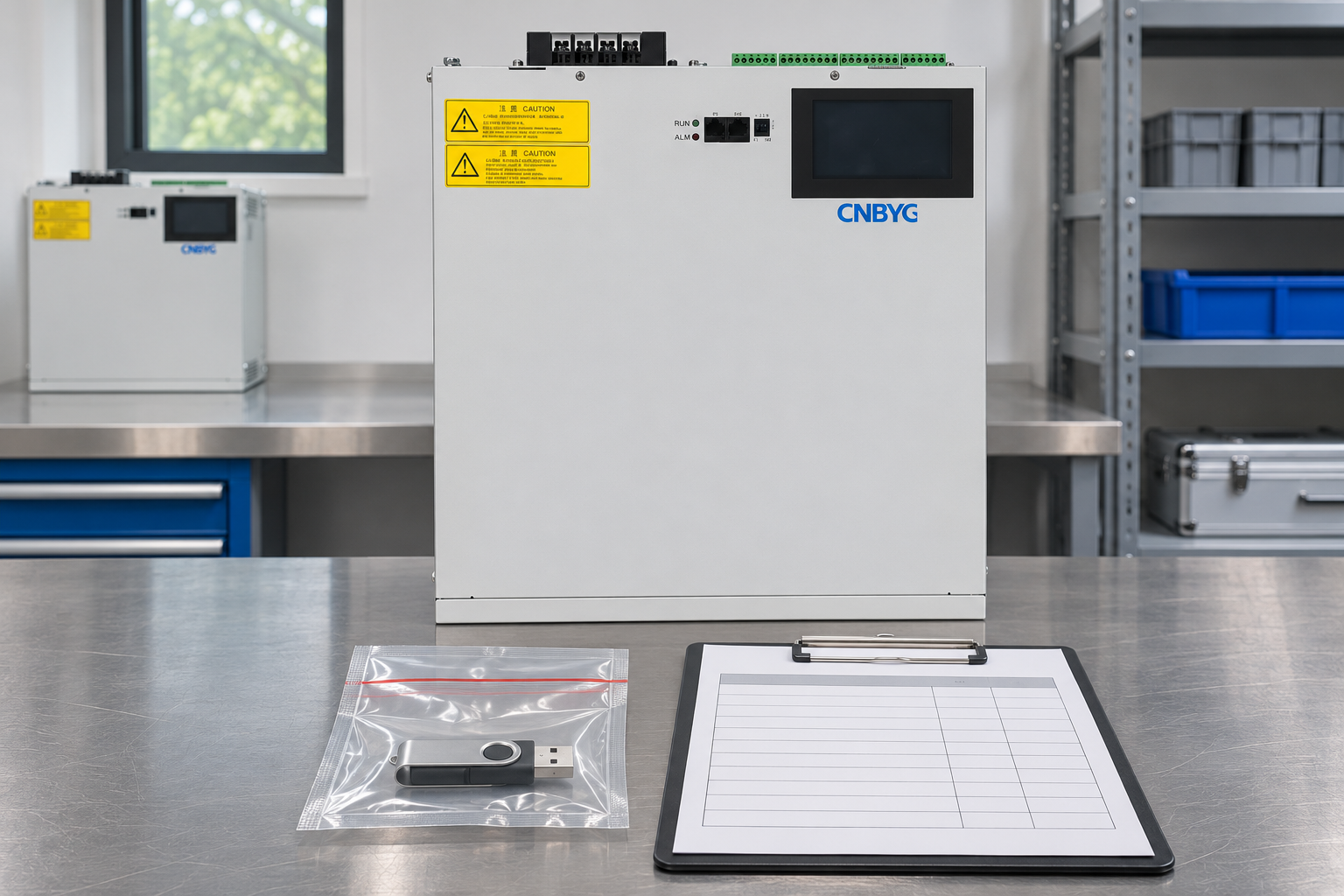
Assign a record that lets the team distinguish the actual device from another drive with the same color or capacity. Use the identification method approved by the organization. Record ownership, the responsible custodian and the approved destination or work scope. If the device lacks an acceptable identity, do not invent a serial number; resolve how it will be controlled before use.
Custody means knowing which authorized person possesses the device and what restrictions apply. Record each relevant transfer between people, including the time and purpose. A handover entry should not simply say “given to maintenance” when several contractors are present. Use names or accountable role identifiers consistent with the site’s privacy and record rules. Keep devices awaiting review separate from those released for the approved task.
The following is a suggested coordination register. It supplements the site’s cybersecurity and service procedures rather than replacing them. The responsible specialists decide the required technical checks and acceptance criteria.
| Champ du registre | What the coordinator records | Reason for the field |
|---|---|---|
| Job and asset | Work order, equipment identity, approved task | Connects the media to a bounded service activity |
| Identification de l’appareil | Approved identifier, owner, custodian | Distinguishes the authorized device from substitutes |
| File scope | Approved package reference and transfer direction | Separates delivery from collection and modification |
| Review evidence | Security review reference and compatibility decision | Makes approvals traceable without treating them as interchangeable |
| Custody transfers | Sender, receiver, time and stated purpose | Shows who was responsible during the visit |
| Completion | Actual transfer record, exceptions and unused files | Reconciles the request with what happened |
| Final disposition | Controlled return, storage or other approved action | Prevents an unresolved device from becoming untracked stock |
Keep file approval separate from malware checks
A storage device can pass a security check while containing the wrong package for the equipment. A legitimate file can also be supplied through an unapproved device. Treat package suitability and device acceptance as separate questions. The record should identify the source of the file, its intended use and the person authorized to confirm that it applies to the installed configuration.
cURL Too many subrequests by single Worker invocation. To configure this limit, refer to https://developers.cloudflare.com/workers/wrangler/configuration/#limits.
cURL Too many subrequests by single Worker invocation. To configure this limit, refer to https://developers.cloudflare.com/workers/wrangler/configuration/#limits Guide NIST sur la sécurité de la technologie opérationnelle, cURL Too many subrequests by single Worker invocation. To configure this limit, refer to https://developers.cloudflare.com/workers/wrangler/configuration/#limits.
cURL Too many subrequests by single Worker invocation. To configure this limit, refer to https://developers.cloudflare.com/workers/wrangler/configuration/#limits
cURL Too many subrequests by single Worker invocation. To configure this limit, refer to https://developers.cloudflare.com/workers/wrangler/configuration/#limits.
cURL Too many subrequests by single Worker invocation. To configure this limit, refer to https://developers.cloudflare.com/workers/wrangler/configuration/#limits cURL Too many subrequests by single Worker invocation. To configure this limit, refer to https://developers.cloudflare.com/workers/wrangler/configuration/#limits cURL Too many subrequests by single Worker invocation. To configure this limit, refer to https://developers.cloudflare.com/workers/wrangler/configuration/#limits.
cURL Too many subrequests by single Worker invocation. To configure this limit, refer to https://developers.cloudflare.com/workers/wrangler/configuration/#limits.
Handle exceptions without losing the evidence
A missing device, unexpected file or unexplained change in custody should trigger the site’s relevant escalation process. Record when the discrepancy was noticed, who last held the device and which approved activity was in progress. Preserve evidence through the authorized team. Do not plug the device into a convenient personal computer to investigate it, or delete files merely to make the directory resemble the approved package.
For an illustrative example, suppose a service provider arrives with two similar drives but the request identifies only one. The coordinator should not select the drive that looks newer. The provider must resolve the identity and the site must review the actual device before the task proceeds. If the maintenance window expires, document the postponed action and restrictions rather than treating the time pressure as authorization.
Another example concerns a package changed after review. Even if the file name is unchanged, a revised package may require renewed suitability and security review. Preserve the original approval reference and identify the superseding version. This is a record-control recommendation: it makes clear which decision applied to which package and avoids silently extending approval to content that was never reviewed.
Close the custody record and the service job separately
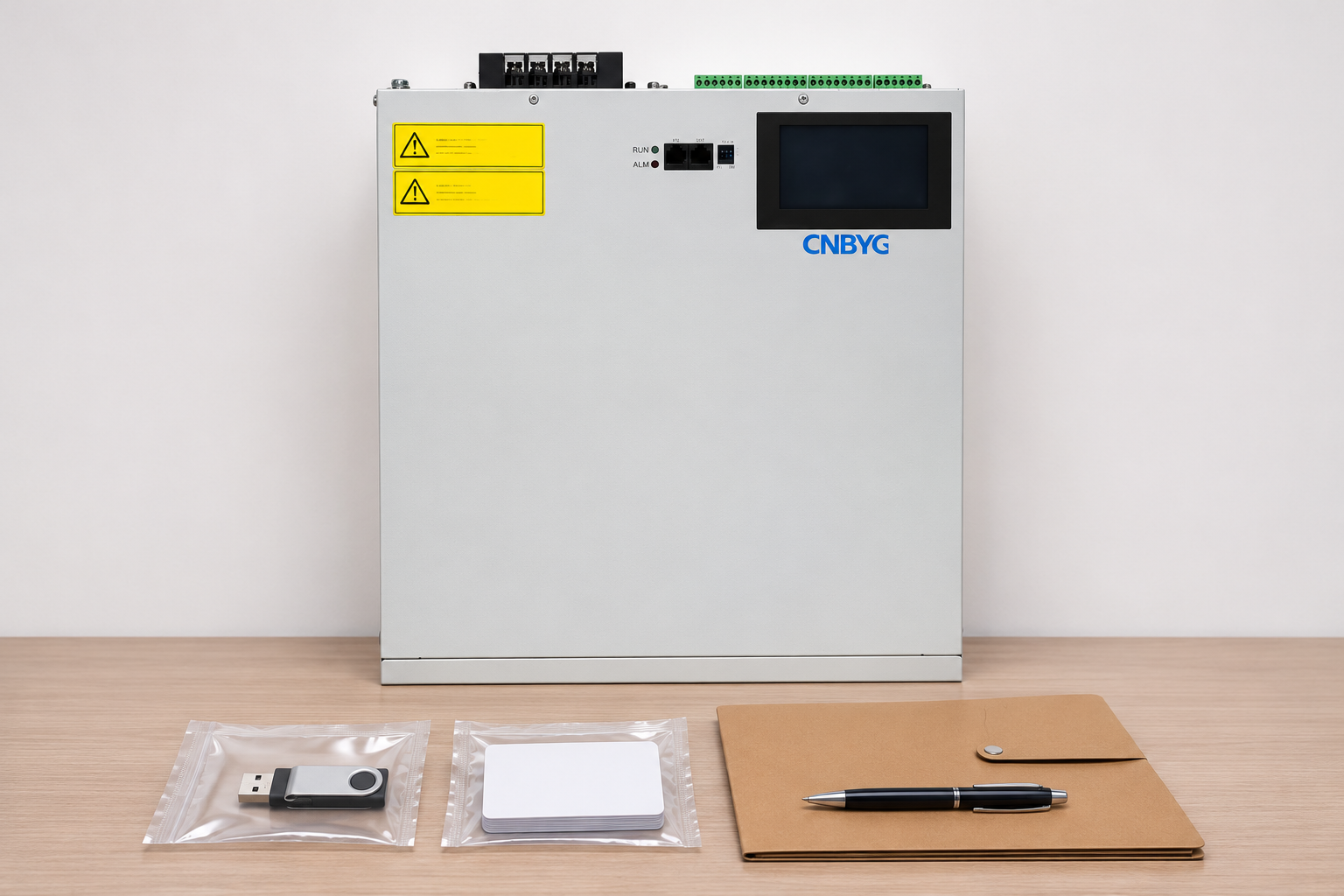
At the end of the visit, reconcile the device and files with the approved request. Identify the person accepting the return or storage responsibility and the applicable retention or disposition decision. Any sanitization, destruction or offsite transfer must follow the owner’s authorized process. Do not erase diagnostic evidence needed for an investigation simply because the scheduled maintenance window has ended.
Compare the actual visit record with the AHF instruction language acceptance guidance so that the team can understand the authorized service method. Device custody, workstation access and equipment release remain different decisions. The completed record can support the Toute opération de nettoyage ou de service nécessite une isolation et la procédure du fabricant. Ne pas retirer les couvercles ni utiliser de l’air comprimé de manière indiscriminée. Respectez le délai de décharge de l’énergie stockée spécifié et vérifiez l’état sécurisé avant toute intervention autorisée. La, but it should not be interpreted as a successful functional test or permission to energize the filter.
Electrical work safety context
Cybersecurity authorization does not establish electrical safety. The US Department of Labor lesson below provides context for controlled electrical work and qualified personnel. It is not a USB demonstration, a CNBYG service instruction or evidence of an available equipment interface.

Foire aux questions
Does a custody record mean the AHF has a USB port?
No. Confirm the actual equipment interface and permitted service method with the manufacturer. This workflow applies only when a media-based task has been explicitly supported and authorized.
Can the same approval cover every file on a drive?
Only the scope explicitly approved by the responsible organization is covered. Identify the intended package and transfer direction, and review substitutions or added files before using them.
Is a malware scan enough to approve an update?
No. Security checks do not establish model compatibility, change authorization or a valid recovery plan. Those decisions require their own evidence and responsible reviewers.
What if the device identity becomes uncertain?
Stop the proposed use, retain the relevant records and escalate through the site’s approved process. Do not resolve uncertainty by testing the device on operational equipment or a personal computer.