Comparaison des entrées d'étude pour les batteries de condensateurs désaccordées et accordées
The useful difference between detuned and tuned capacitor-bank planning is not a label on a quotation. It is the study question, network model, operating case, and evidence used before a reactor or capacitor arrangement is considered.

Réponse directe
Compare detuned and tuned approaches with the same disciplined input package: electrical topology, representative harmonic data, operating scenarios, existing equipment, and the project decision to be made. Do not choose a tuning point from a product image, a single reading, or an unrelated installation.
Part 1. Start with the decision that the study must support
State whether the project is reviewing a new bank, an expansion, a recurring observation, or a replacement boundary. This keeps a comparison from becoming a generic “best arrangement” request.
| Decision | Preuves requises | Non établi |
|---|---|---|
| new or expanded bank | topology and representative data | a default tuning value |
| observed condition | dated measurement and operating note | root cause from one reading |
| quotation review | documented study objective | acceptance approval |
Part 2. Draw the capacitor bank and its electrical neighbours
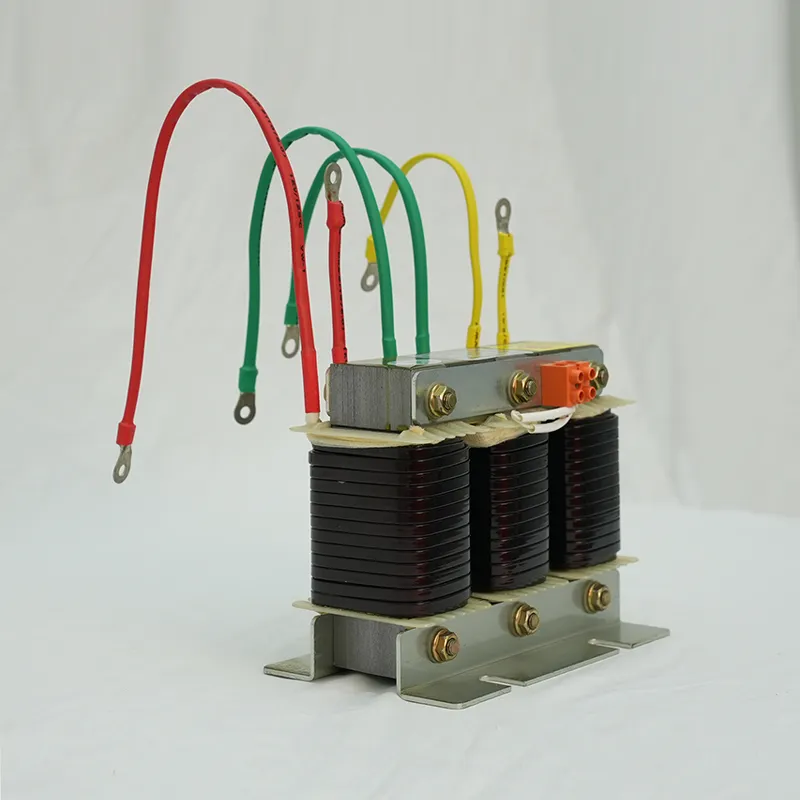
Show the source, transformer, bus, capacitor stages, reactors, nonlinear loads, filters, protection and metering boundary on one current drawing. A comparison cannot be transferred safely when the electrical neighbours are unknown.
Part 3. Gather measurements that describe the operating cases
Capture the measurement location, reference arrangement, time basis, active load groups and capacitor-stage condition beside each data set. The power-quality baseline report guide provides a related record structure.
| Study input | Pourquoi c'est important |
|---|---|
| harmonic spectrum and time window | identifies the observed condition and its duration |
| demand and operating state | prevents unlike production periods being compared |
| existing stages and reactors | shows the installed interaction context |
Part 4. Test scenarios rather than one convenient snapshot
Le Schneider Guide d'installation électrique explains why harmonic conditions belong in capacitor-bank review. Build scenarios around the defined load and topology cases instead of treating a quiet shift as representative.
Important : A detuned or tuned label is not proof of a project outcome. Retain the study assumptions, operating case and acceptance question with every comparison. Source: Schneider guidance on harmonic solutions; it is context, not a fitting instruction.
Part 5. Record what the comparison can and cannot establish
Set out the comparison as a decision record. It may identify missing inputs or scenarios worth studying; it does not certify an arrangement or substitute for the responsible project review.
| Comparison output | Appropriate use | Frontière |
|---|---|---|
| model assumptions | review data completeness | assumptions need project confirmation |
| scenario list | organize evidence | not a performance guarantee |
| unanswered question | define next study step | not a product rejection |
Part 6. Send study evidence for reactor product-context review
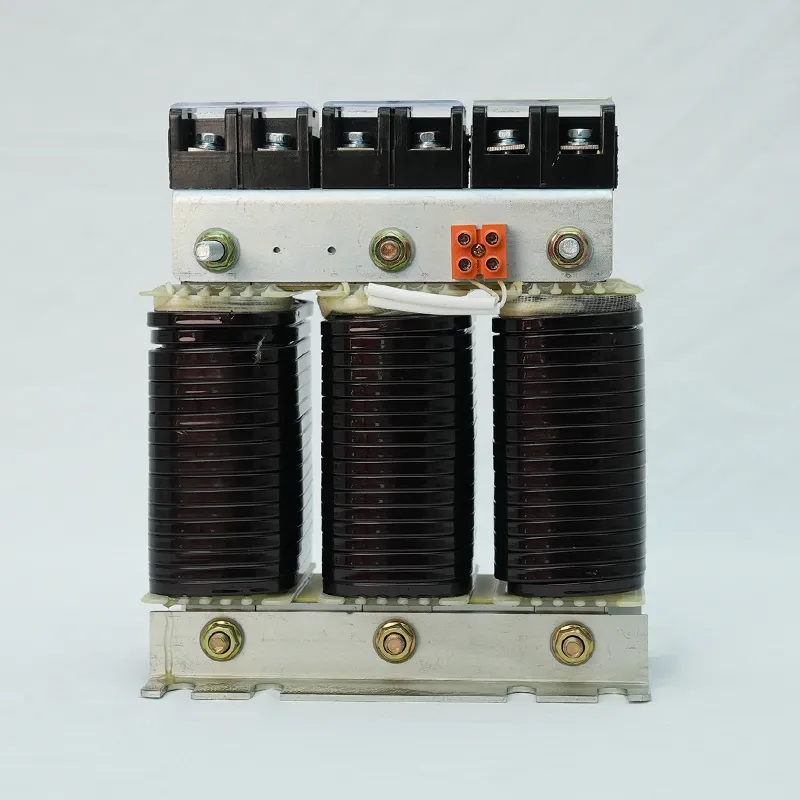
La CKSG reactor product context can be reviewed after the study boundary is clear. The public product page does not determine a tuning choice for an unspecified system.
| Envoyer avec devis ou réviser | Pourquoi c'est nécessaire | Éviter |
|---|---|---|
| one-line and equipment inventory | defines topology | using only a nameplate |
| measurement files and operating cases | makes scenarios reviewable | using one short capture |
| study objective and acceptance boundary | keeps the inquiry scoped | claiming a guaranteed result |
Fit boundary: this article helps prepare study inputs. It does not specify equipment, approve switching, or make a compliance conclusion. Send the documented study inputs for product-context discussion.
FAQ
What is the difference between detuned and tuned capacitor banks?
They are planning approaches with different study questions and assumptions; the project record must define the actual network and objective.
Which records should a study include?
Include topology, installed equipment, representative measurements, operating states, and the decision the study must support.
Can a nameplate select a tuning point?
No. A nameplate identifies equipment information, not the complete project network or study conclusion.
Why are operating scenarios needed?
They show how the evidence relates to representative source, load and stage conditions rather than one convenient moment.
Does a reactor page prove project fit?
No. It supplies product context only; project fit needs documented inputs and responsible review.
Dans quels cas une révision technique est-elle nécessaire ?
Use qualified project review for live changes, protection questions, study conclusions, acceptance decisions, or unclear electrical boundaries.