

District heating networks modulate circulation pumps with outdoor-reset and differential-pressure controls, so VFD harmonic current at the pump feeder changes with outdoor temperature and zone demand. Assessing district heating pump VFD harmonics requires season-labeled logs rather than a single summer snapshot.
Réponse directe
District heating networks modulate circulation pumps with outdoor-reset and differential-pressure controls, so VFD harmonic current at the pump feeder changes with outdoor temperature and zone demand. Assessing district heating pump VFD harmonics requires season-labeled logs rather than a single summer snapshot.
Heat-delivery contracts and electrical distortion reviews should not share the same acceptance sentence. CNBYG can discuss AHF/APF product-line context when measured harmonic current is the objective. It cannot establish heat-delivery contracts, boiler efficiency claims, or a guaranteed harmonic result. See the Guides d'ingénierie des systèmes de qualité de l'énergie for wider topics.

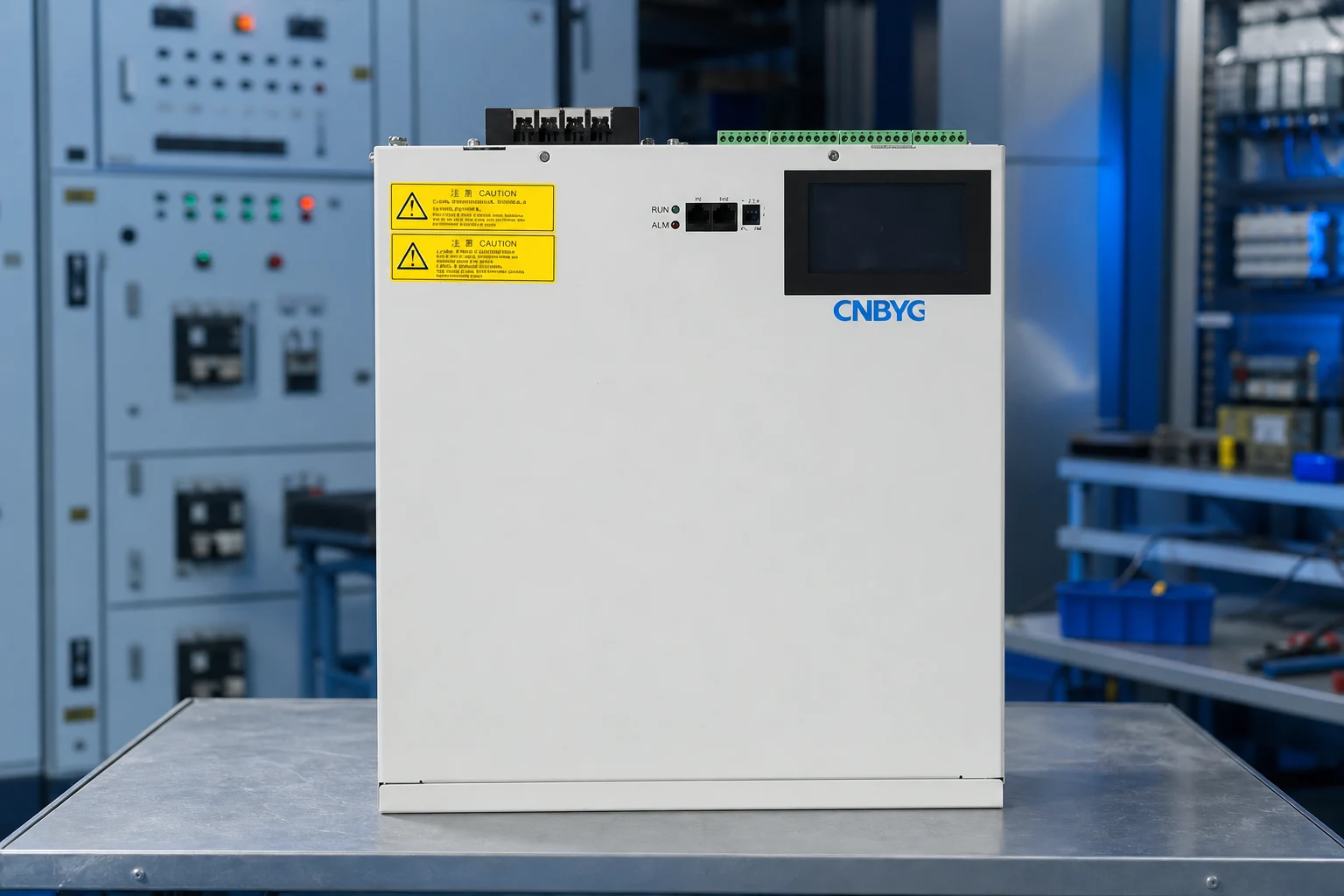
Define the heating-plant measurement boundary
Primary pump feeders characterize local drive groups; the heating-plant PCC answers a utility-boundary question. Record CT details, outdoor temperature, and differential-pressure setpoints with every file.
For primary and secondary district-heating circulation pumps on VFDs, log peak heating demand, shoulder-season reset, night setback, pump staging, and standby boiler periods. Label outdoor temperature and differential-pressure setpoints with each file, because reset schedules reshape both speed and coincidence on shared buses.
Un dossier pré-appel d'offres pratique pour cette application comprend généralement :
- Annotated single-line covering primary and secondary pump feeders.
- Spectra from peak heating and shoulder-season reset windows.
- Operating notes linked to the heating-season operating point.
- Existing capacitor and reactor inventory on the heating bus.
- Demand curves spanning at least one cold-weather operating week.
| Heating log focus | Evidence to attach | Pourquoi c'est important |
|---|---|---|
| Activity at the monitored circulation-pump feeder | Spectre actuel, tendance RMS, état de charge, référence TC | Caractérisation des sources locales |
| Activité à la limite du système | Tendances de tension/courant, données du transformateur et de l'amont | Périmètre d'atténuation des limites |
| Repeatability across heating-season and shoulder-season cycles | Plusieurs fenêtres de travail étiquetées | Planification de la capacité et de la mise en service |
| Équipement connecté | Inventaire unifilaire, protection, compensation | Examen de l'interaction et de l'intégration |
Important : Do not quote APF capacity from summer-only pump data when the mitigation objective covers winter peaks (Source: planification de la qualité de l'alimentation des bâtiments commerciaux). Outdoor-reset schedules reshape harmonic demand.
Keep heat contracts separate from harmonic scope
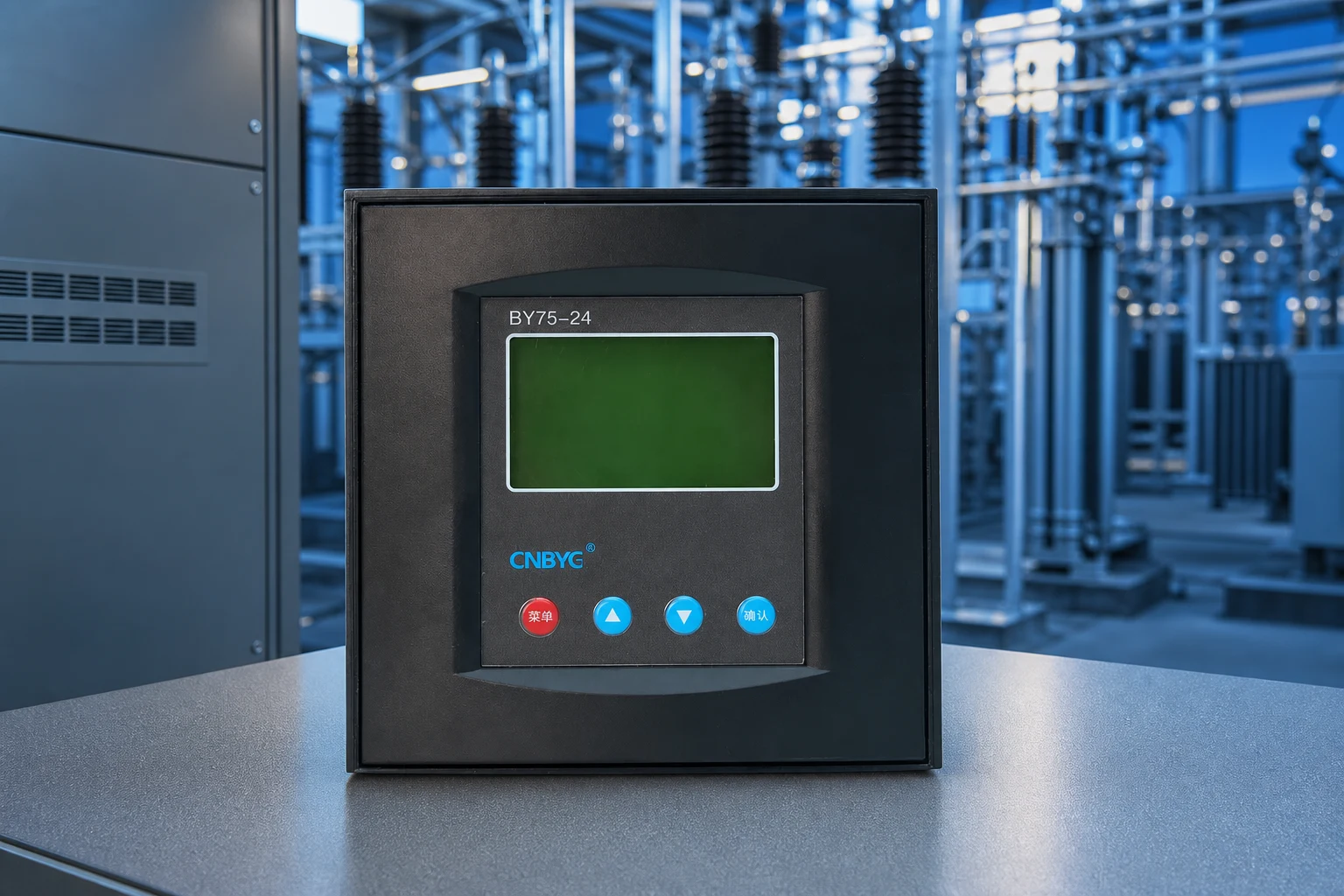
Supply-temperature performance and harmonic mitigation are different contractual promises. Mixing them early produces oversized scopes or mismatched device categories.
Utilisez le Aperçu de la norme IEEE 519 for boundary vocabulary, then define the heating-plant point of measurement and seasonal cases in the RFQ.
Operators should also record primary versus secondary loop identity, because reset schedules and differential-pressure targets differ between loops. Keep a short note on outdoor-sensor calibration dates next to the electrical log so heating and electrical teams can reconcile timestamps during RFQ review. Those notes are short, but they keep heating-season windows comparable for quotation.
Choose paths after seasonal evidence exists
AHF/APF fits when harmonic-current reduction at the heating-plant PCC or main switchboard is agreed. SVG fits when fast reactive support is primary. Passive options need resonance review against boiler and pump network data.
| Catégorie d'atténuation | Utile lorsque | Confirmer avant l'appel d'offres |
|---|---|---|
| AHF / APF | Harmonic-current reduction at the heating-plant PCC or main switchboard is documented | Spectre, plan CT, parcours thermique, protection, essai de réception |
| SVG / ASVG | Le support rapide en puissance réactive est l'objectif principal | Profil de tension, compensation existante, contrôles, mise en service |
| Accordage passif | Une étude de système montre une fonction stable, accordée ou désaccordée | Examen de résonance, politique de commutation, accès à la maintenance |
| Changement opérationnel | La programmation ou l'étalement des équipes modifient sensiblement la demande | Validation par le propriétaire et mise en œuvre documentée |
Assemble a heating-season RFQ evidence pack
Before suppliers quote, assemble outdoor-temperature-labeled spectra, pump staging tables, CT notes, and a marked-up heating-plant single-line. Clarify whether the decision is local pump troubleshooting, PCC assessment, or harmonic-current mitigation. Show peak-winter and shoulder-season windows separately.
Require the quote to declare covered orders, outdoor cabinet limits, and acceptance tests. Include headroom for future pump stages and list existing compensation on the heating bus. Name who logs outdoor-reset setpoints and who signs the acceptance checklist.
Add outdoor cabinet ratings, boiler-plant access limits, and a glossary of outdoor-reset bands so winter and shoulder files stay comparable during quotation. Include CT polarity checks, sample intervals, and a note describing which pumps shared the bus during each capture. Record expected spare headroom for future heating stages and keep the acceptance checklist owner named before quotation begins.
Examinez le Filtre Harmonique Actif CNBYG AHF page with seasonal pump logs in hand. The commercial-building guide on planification de la qualité de l'alimentation des bâtiments commerciaux explains a related PCC-first review path.
Plan integration around heating outages
Capture proposed connection points, outdoor cabinet ratings, and permitted outage windows before purchase. Acceptance tests should replay outdoor-temperature bands from the baseline set.
The related commercial-building scenario in Mesure des harmoniques VFD et sélection APF shows how seasonal labels support comparable acceptance tests.
District-heating inquiry checklist
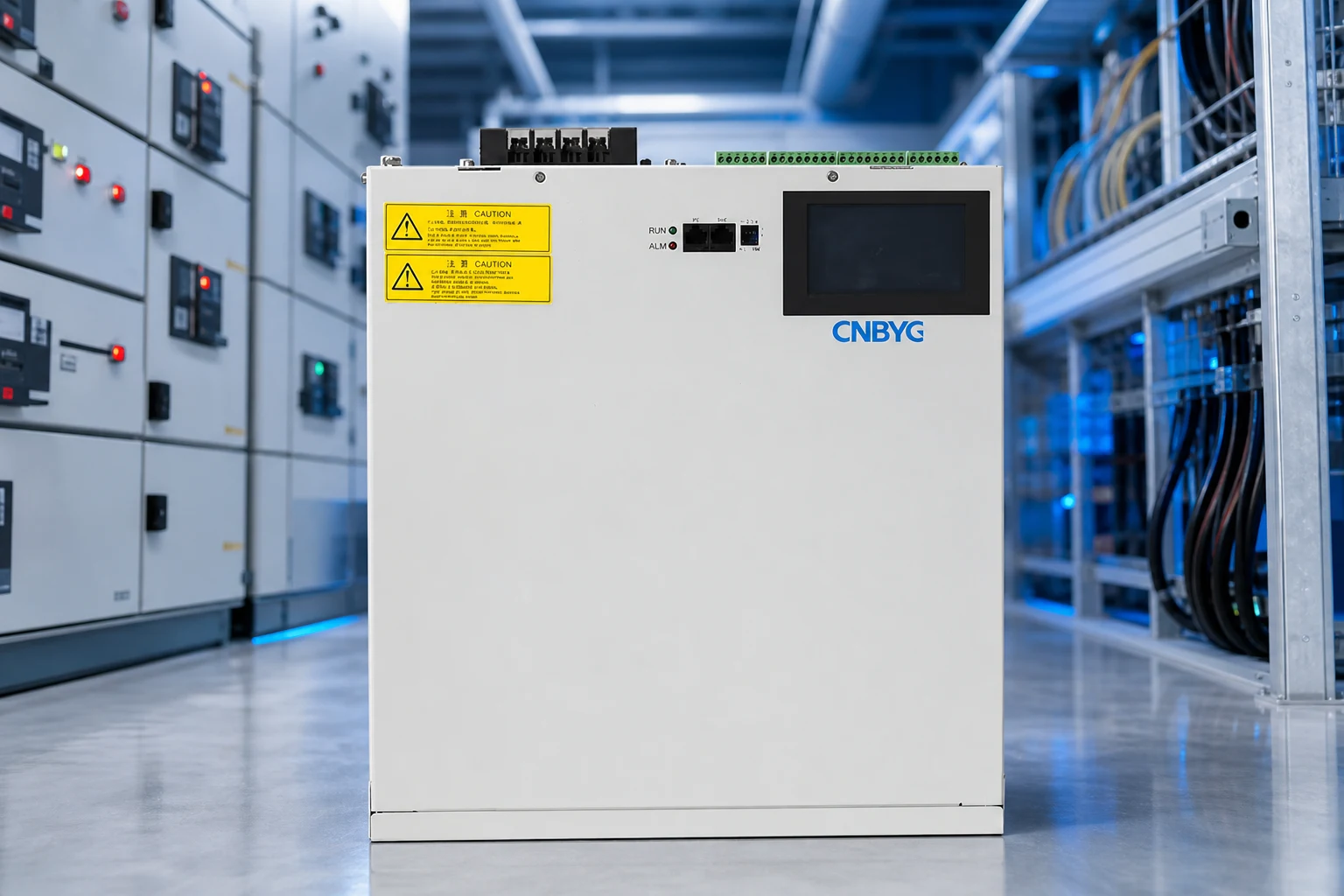
Send single-line data, seasonal spectra, pump inventory, compensation details, and cooling or space constraints. CNBYG can evaluate product-line fit and must not be asked to guarantee heat-delivery contracts, boiler efficiency claims, or a guaranteed harmonic result. Use the Page de contact CNBYG.
Foire aux questions
Should district heating harmonics be logged in summer?
Summer data alone rarely represents heating-season demand; capture peak and shoulder heating windows for RFQ evidence.
Do outdoor-reset schedules change harmonic profiles?
Yes. Pump speed and staging follow outdoor temperature and DP setpoints, so logs must carry those labels.
Is boiler-room metering enough for the whole network?
Only if the mitigation decision applies at that bus; remote substations may need separate records.
Une seule mesure est-elle suffisante pour sélectionner le matériel d'atténuation ?
Usually not for district heating. Seasonal demand, outdoor-reset bands, and capture length determine whether the record supports capacity talk.
Can mitigation equipment be sized from pump nameplate data alone?
No. Nameplates set context; measured spectra and operating logs set the capacity discussion.
Cet article garantit-il un résultat de conformité ou opérationnel ?
No. Heat contracts, network conditions, and commissioning remain site-specific responsibilities.