


Le THD et le TDD ne deviennent des enregistrements d'ingénierie utiles que lorsque l'emplacement électrique, la référence de courant et l'état de fonctionnement sont conservés avec la valeur. Une entrée locale de variateur de vitesse (VFD), un départ de processus et une frontière de couplage commun ne sont pas des points de mesure interchangeables, même lorsqu'un appareil de mesure affiche le même type de pourcentage.
Commencez par le guides sur la qualité de l'énergie pour un contexte de planification plus large. Cet article explique comment maintenir l'examen comparatif de la DHT/TDT (THD/TDD) possible ; il ne fixe pas de limite d'usine, de taille d'équipement ou de résultat de projet.

Réponse directe
Comparez la THD et la TDD uniquement après avoir nommé la frontière de décision et conservé le courant de référence utilisé pour le calcul. Le chiffre prend tout son sens en fonction de l'endroit où il a été mesuré, de ce qui fonctionnait et de la base de référence qui appartient au rapport.
Partie 1. Commencer par la frontière de décision
Avant de collecter des valeurs, formulez la question technique. Une équipe peut caractériser un entraînement, comparer un feeder de production ou préparer des données pour une évaluation de l'offre. Chaque question requiert un emplacement électrique différent et un ensemble différent de charges concomitantes.
Ajoutez le point de mesure, la référence de tension et l'orientation des TC sur le schéma unifilaire. Conservez le rapport des TC, l'intervalle d'acquisition, la base de temps et le réviseur responsable. Un lecteur futur devrait être capable d'identifier si l'enregistrement exporté représente une entrée locale ou un départ partagé.
Important : Ne considérez pas une mesure locale comme la preuve d'une limite plus large. Le lieu d'évaluation, les conditions de fonctionnement et la méthode d'acceptation doivent être convenus ensemble (Aperçu de la norme IEEE 519).
| Décision de soutenir | Limite d'enregistrement appropriée | Enregistrement qui doit l'accompagner |
|---|---|---|
| Diagnostiquer un groupe OneDrive | Entrée de variateur définie ou départ local | Identité du variateur, état de fonctionnement, référence TC et tension |
| Comparer une zone de processus | Départ de distribution de processus | Position unifilaire des charges et des départs |
| Préparer une discussion sur le système | Frontière commune ou limite amont définie | Périmètre du projet, délai et responsable de la révision |
Partie 2. Conservez le dénominateur avec le nombre
Le THD et le TDD ne sont pas des étiquettes à détacher du rapport. La comparaison doit indiquer la base de référence actuelle utilisée par le compteur ou le calcul et préserver la configuration associée. Sans ce contexte, un pourcentage peut sembler plus ou moins grave simplement parce que l'état de production a changé.
Pour une révision pratique, conservez une courte note de définition à côté de chaque exportation. Ne copiez pas une valeur d'un écran dans une demande de devis sans son dénominateur, son emplacement, son intervalle de temps et son état de charge. Ces omissions font qu'il est difficile de déterminer si deux enregistrements sont comparables.
| Question de révision | Informations à conserver | Pourquoi c'est important |
|---|---|---|
| Quel indice est indiqué ? | Étiquette du compteur et réglage de la référence de courant | Évite de comparer des valeurs reposant sur des bases différentes comme si elles étaient identiques. |
| Quel intervalle l'a produit ? | Heure de début, durée et agrégation | Un intervalle de fonctionnement transitoire et représentatif ne constituent pas le même enregistrement. |
| Qu'est-ce qui a été alimenté ? | Processus, variateur de fréquence, condensateur et état des autres charges | La composition de l'aliment peut avoir changé. |
| Quelle est la décision ? | À des fins de surveillance, de dépannage ou de demande de devis (RFQ) | Empêche un pourcentage de devenir une instruction d'équipement non prise en charge. |
Le guide existant pour décisions relatives au facteur de puissance et à la distorsion harmonique est utile lorsque l'équipe de projet détermine quel objectif électrique est réellement en cours d'examen.
Partie 3. Placer des compteurs pour la question posée
L'emplacement du compteur n'est pas un détail administratif. Cet emplacement définit les charges incluses dans le relevé de courant et la source de tension utilisée pour la comparaison. La borne d'un variateur peut aider à résoudre un problème local, tandis qu'un relevé de départ peut inclure plusieurs groupes de variateurs et d'autres charges simultanées.
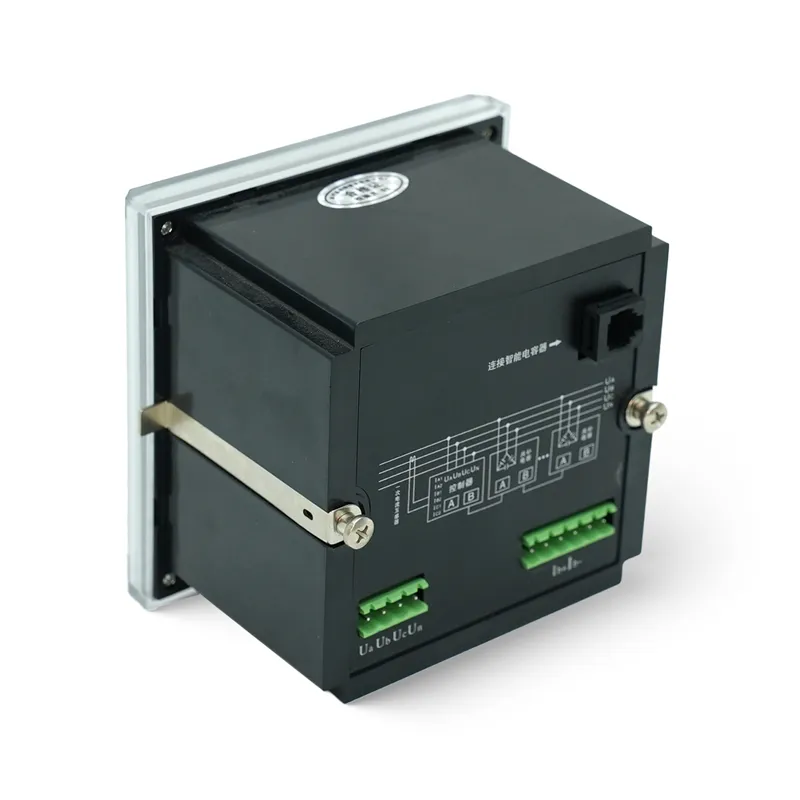
Dessinez un diagramme de délimitation simple avant le début de l'enregistrement. Indiquez la source entrante, les circuits sortants, les emplacements des TC, les prises de tension et tout chemin de dérivation ou parallèle pouvant modifier la charge incluse. Si l'usine possède plusieurs modes de fonctionnement, créez une entrée séparée pour chaque mode au lieu de moyenner des conditions différentes en une seule valeur anonyme.
La Aperçu de la norme NEMA MG 1 fournit un contexte au système d'entraînement, mais ne définit pas la limite de mesure correcte de l'installation ni ne sélectionne l'équipement d'atténuation pour une installation spécifique.
Partie 4. Consigner les états qui rendent les mesures comparables
Une tendance électrique sans journal de bord est difficile à interpréter. Nommez l'état du processus, la ligne de production, la condition de dérivation, les démarrages et arrêts, ainsi que les principales charges concomitantes. Un ensemble de données comparable est généralement plus petit et mieux étiqueté qu'un grand dossier de captures d'écran non datées.
| Élément d'état de fonctionnement | Enregistrer à côté de la tendance électrique | Examiner l'utilisation |
|---|---|---|
| État de production | Série de production, plage de vitesses et quart de travail | Identifie si les enregistrements décrivent un travail similaire. |
| Charges non linéaires | Groupes d'entraînement actifs, redresseurs et charges d'ASI | Indique quelles sources peuvent être incluses. |
| Modifications de commutation | État condensateur, de dérivation, de transfert ou de maintenance | Explique les changements qui peuvent ne pas correspondre à un comportement en régime permanent. |
| Condition d'approvisionnement | Modification de la source connue ou de la configuration de l'alimentation | Aide à séparer les événements liés à l'offre d'une théorie locale. |
Pour une base prête pour une consultation, utilisez comptage avant une consultation (RFQ) comme liste de contrôle d'accompagnement. C'est un outil de planification, pas un certificat de conformité.
Partie 5. Dissocier l'examen de l'indice de la sélection des équipements
Considérez l'examen des indices comme une étape de définition du périmètre plutôt que comme une consigne relative aux appareils. Avant de discuter d'une option AHF/APF, définissez l'objectif en matière de courant harmonique, le point de raccordement, la disposition des TC, le relevé de charge représentatif, la coordination des protections, les limites d'installation et la méthode de réception.
La Filtre Actif Harmonique AHF page est un point de départ de gamme de produits pour un périmètre défini de courants harmoniques. Ce n'est pas une promesse qu'un pourcentage particulier, une limite d'usine ou un résultat opérationnel sera atteint.
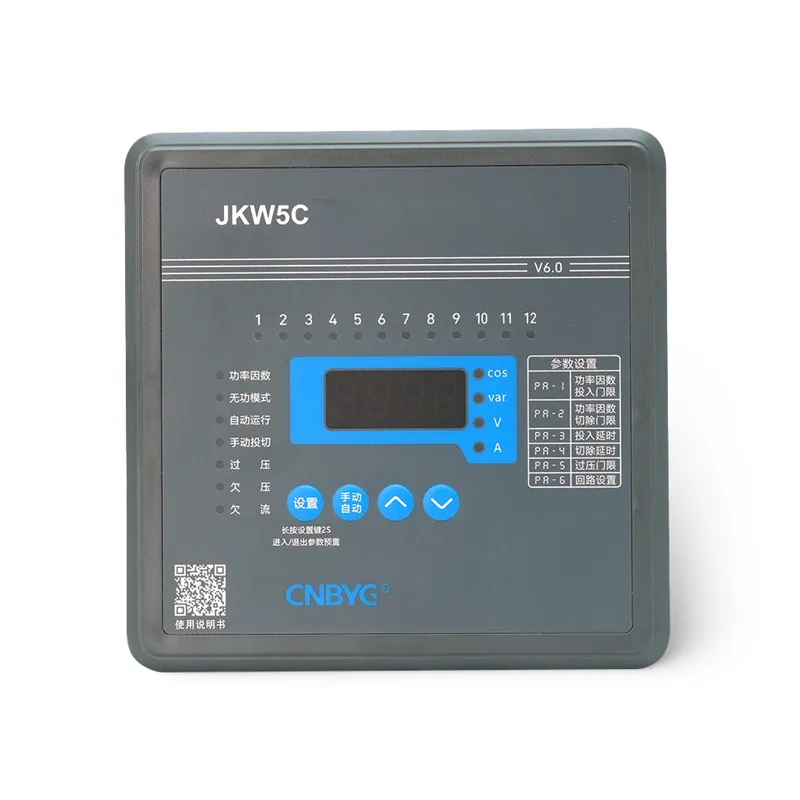
Cette limite de réglage est importante. Un incident de tension, un objectif purement réactif, un problème de protection ou un enregistrement sans limite électrique définie peut nécessiter une investigation différente. La contexte d'évaluation de la norme IEEE 519 doit être examiné en fonction des responsabilités spécifiques au projet plutôt que d'être utilisé comme un raccourci générique pour la taille des appareils.
Partie 6. Envoyer un dossier de mesure vérifiable
Une demande claire permet à un fournisseur ou à une équipe d'ingénierie de comprendre ce que représentent les chiffres. Envoyez un ensemble de données compact plutôt qu'un seul pourcentage provenant d'un écran.
| L'acheteur devrait fournir | Pourquoi c'est important |
|---|---|
| Schéma unifilaire et caractéristiques nominales du système | Établit la limite électrique et le contexte d'alimentation. |
| Empositions du compteur, du transformateur de courant et de la référence de tension | Permet aux examinateurs de localiser le point de mesure réel. |
| Exportations THD/TDD avec référence de courant indiquée | Préserve la base de calcul. |
| Journal d'état de fonctionnement et inventaire des charges | Relie les tendances aux charges qui étaient en cours d'exécution. |
| Détails des mesures d'atténuation et de protection existantes | Identifie les contraintes d'intégration. |
| Exigences relatives à l'espace, au refroidissement, au câblage, à la communication et à la réception | Teste si un périmètre de solution défini est faisable. |
CNBYG peut discuter de l'adéquation de la gamme de produits lorsque l'objectif de courant harmonique et la limite de l'installation sont définis. Utiliser le package de mesure pour commencer cette discussion, un article général ne peut pas remplacer une étude d'usine ou garantir un résultat électrique.
Foire aux questions
Est-ce que le THD est la même chose que le TDD ?
Non. Les deux étiquettes doivent comporter la référence de courant signalée, l'emplacement de mesure et les conditions de fonctionnement à côté de la valeur. Ne comparez pas des pourcentages provenant de bases différentes comme s'ils décrivaient le même enregistrement.
Où la distorsion du courant de l'installation doit-elle être mesurée ?
Effectuez la mesure à l'emplacement électrique qui correspond à la décision prise, et indiquez cet emplacement sur le schéma unifilaire. L'entrée d'un variateur et un départ commun constituent des limites différentes.
Une lecture d'entrée de variateur de fréquence peut-elle représenter un départ d'usine ?
Pas automatiquement. Un enregistrement d'entrée de variateur (VFD) décrit cet emplacement local, tandis qu'un départ peut inclure plusieurs charges connectées et dispositions d'alimentation.
Pourquoi enregistrer l'état de fonctionnement ?
La composition de la charge peut varier selon l'équipe, le produit, la vitesse, l'état de commutation ou les conditions de maintenance. Le journal de fonctionnement permet de rendre comparables deux enregistrements électriques.
Est-ce qu'IEEE 519 sélectionne la taille d'un appareil ?
Non. Il fournit un contexte de contrôle harmonique, tandis qu'un projet a toujours besoin de sa propre limite, de preuves mesurées, d'une portée d'intégration et de critères d'acceptation.
Qu'est-ce qui doit figurer dans un appel d'offres axé sur la mesure ?
Envoyez le schéma unifilaire, les données nominales, les positions des compteurs et des TC, la référence de courant indiquée, les exportations représentatives, le journal de fonctionnement, l'inventaire des charges, l'équipement existant et les contraintes d'installation.