AHF EMC Documentation: Separate Emissions, Immunity and Harmonics
AHF EMC documentation should identify the exact equipment, applicable requirements, tested operating conditions and installation arrangement. Review emissions and immunity separately, then keep both distinct from the project’s harmonic-performance acceptance. A catalogue statement, CE mark or successful THD measurement cannot answer every one of those questions. A useful review connects the supplier’s declarations and reports to the model on the purchase order and records the conditions the installer must preserve. This prevents a technically impressive document package from being accepted for equipment or conditions it does not actually cover.
Start with the claim and the equipment identity
Itu Halaman produk CNBYG AHF includes an EMC compliance statement in its specification tables. Treat it as information requiring model-specific supporting documents for your project. This article does not independently certify the listed products or establish the adequacy of their reports for a particular jurisdiction.
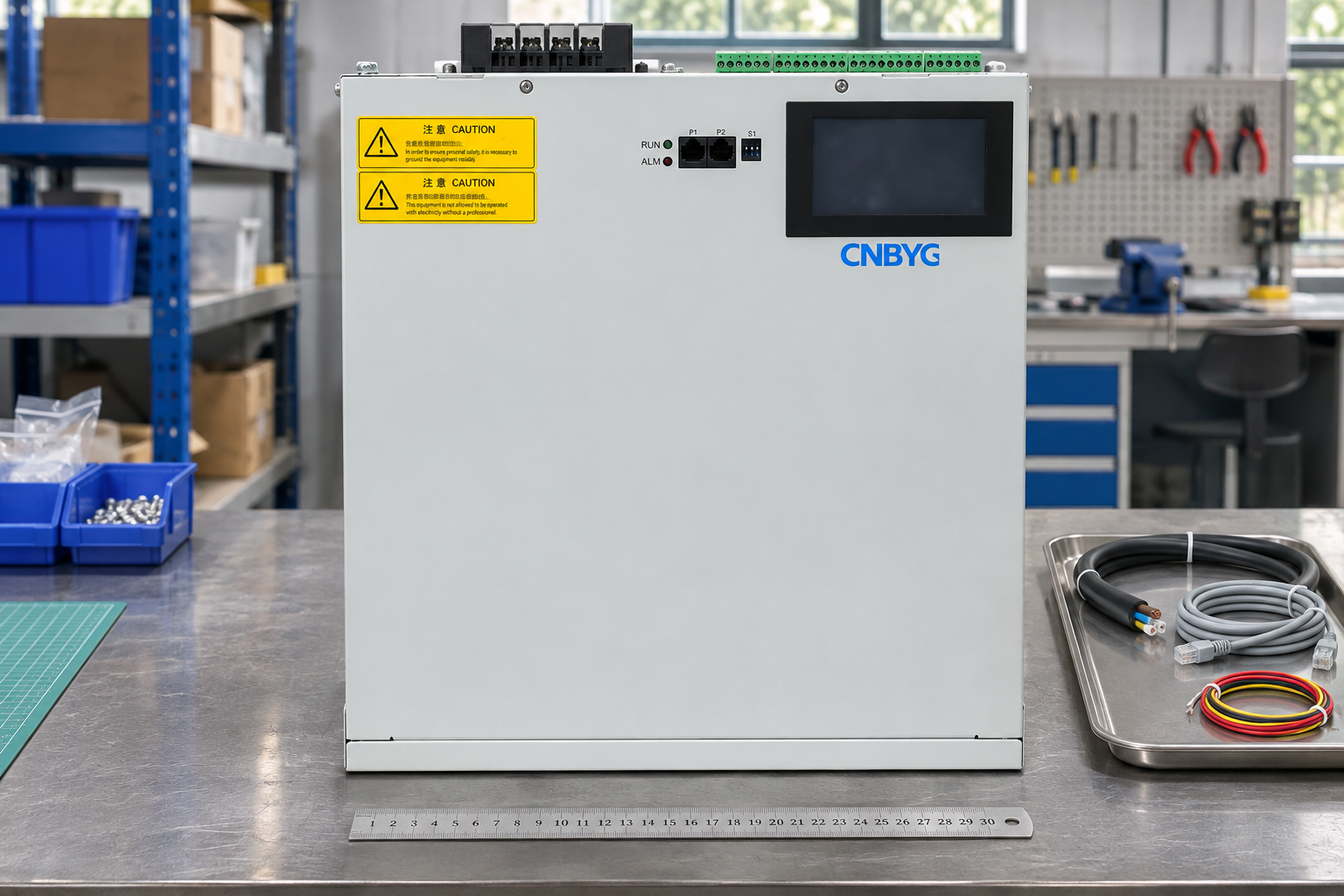
Ask the supplier to identify the quoted model, hardware revision, relevant software version and supplied enclosure arrangement. Establish whether the equipment is a wall-mounted unit, a rack-mounted module or part of a completed cabinet. Link that identity to the document list before reviewing test conclusions. Similar current ratings or photographs do not establish that two variants have identical EMC coverage.
Record the intended installation location and market requirements. The applicable route may depend on equipment classification and intended environment. Have the responsible compliance specialist determine the required standards and editions. Purchasing staff should track that decision, not select a familiar standard number from another supplier’s brochure and assume it applies universally.
Keep emissions, immunity and harmonics distinct
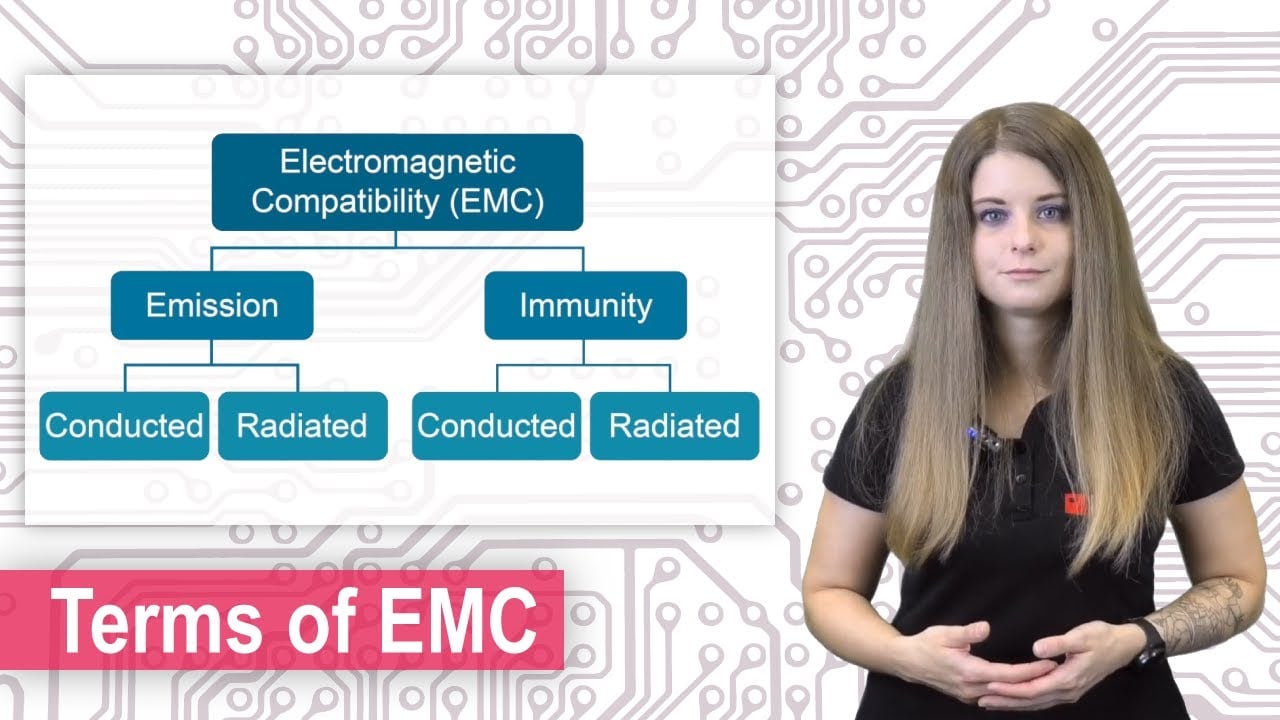
Emissions concern disturbances produced by equipment; immunity concerns its response to disturbances. Both can involve different paths and phenomena. The Graz University of Technology EMC course teaches these distinctions, including conducted and radiated effects. Use the terms consistently so requests and supplier responses address the same question.
An AHF also has a power-quality function. Its compensation performance must be evaluated using a defined electrical measurement point, operating conditions and project criteria. The AHF working-principle guide explains that function. Do not use low current THD as a substitute for reviewing radio-frequency emissions or immunity evidence.
Some harmonic requirements form part of the broader EMC standards landscape, so the distinction is about the actual requirement and evidence, not an absolute separation between disciplines. Name the phenomenon, applicable document and acceptance method. A report titled EMC test can contain several assessments; examine what it actually covers instead of inferring scope from its title.
Check the standards applicability statement
The official description of IEC 61000-6-4:2018 identifies it as a generic industrial emission standard and explains that an applicable product or product-family emission standard takes precedence. That scope information is a reason to request an applicability review. It is not a basis for declaring that every AHF must use this document as its only EMC reference.
Ask which requirements cover emissions, which cover immunity and how any product-specific requirements were considered. Capture the editions and relevant amendments actually used. Where a report references an older edition, ask the responsible specialist for a documented assessment rather than automatically accepting or rejecting it from its publication date.
Keep the market-access declaration, test reports and installation instructions related but separate. A declaration identifies what the responsible party claims; a report describes a particular assessment; instructions define conditions for use. Review consistency between them. A discrepancy in model identity or scope should become an open action before the purchase is released.
Read the report beyond the pass statement
Request the report number, issuer, date, equipment identification and conclusion. Then inspect the test configuration and any recorded limitations. Note the operating mode, loading arrangement, connected ports, cable configuration, enclosure and accessories where documented. These details help determine whether the proposed installation resembles the assessed arrangement in relevant respects.
An AHF can have multiple selectable functions and operating conditions. Ask the supplier how representative modes were selected and whether the quoted version falls within the documented assessment. Do not infer a worst-case mode from the highest current rating alone. The justification should come from the responsible technical party and remain with the report.
For immunity evidence, identify what behaviour was assessed and how performance was judged during and after the disturbance. A screen remaining illuminated is not necessarily the complete acceptance criterion. The relevant report should state the monitored functions and criteria. Avoid inventing permitted resets, compensation interruptions or recovery times without a governing requirement.
Use an evidence matrix to expose gaps
The following matrix is a proposed purchasing workflow. It does not set EMC test limits or certify compliance.
| Evidence area | What to connect | Typical question requiring an answer |
|---|---|---|
| Identitas peralatan | Quote, declaration, report and nameplate | Does the tested model cover this supplied variant? |
| Persyaratan yang berlaku | Market, environment and standards review | Is a relevant product-family requirement available? |
| Emissions assessment | Report scope, ports and operating configuration | Which disturbances and configurations were assessed? |
| Immunity assessment | Test criteria, monitored functions and results | What behaviour was acceptable during and after exposure? |
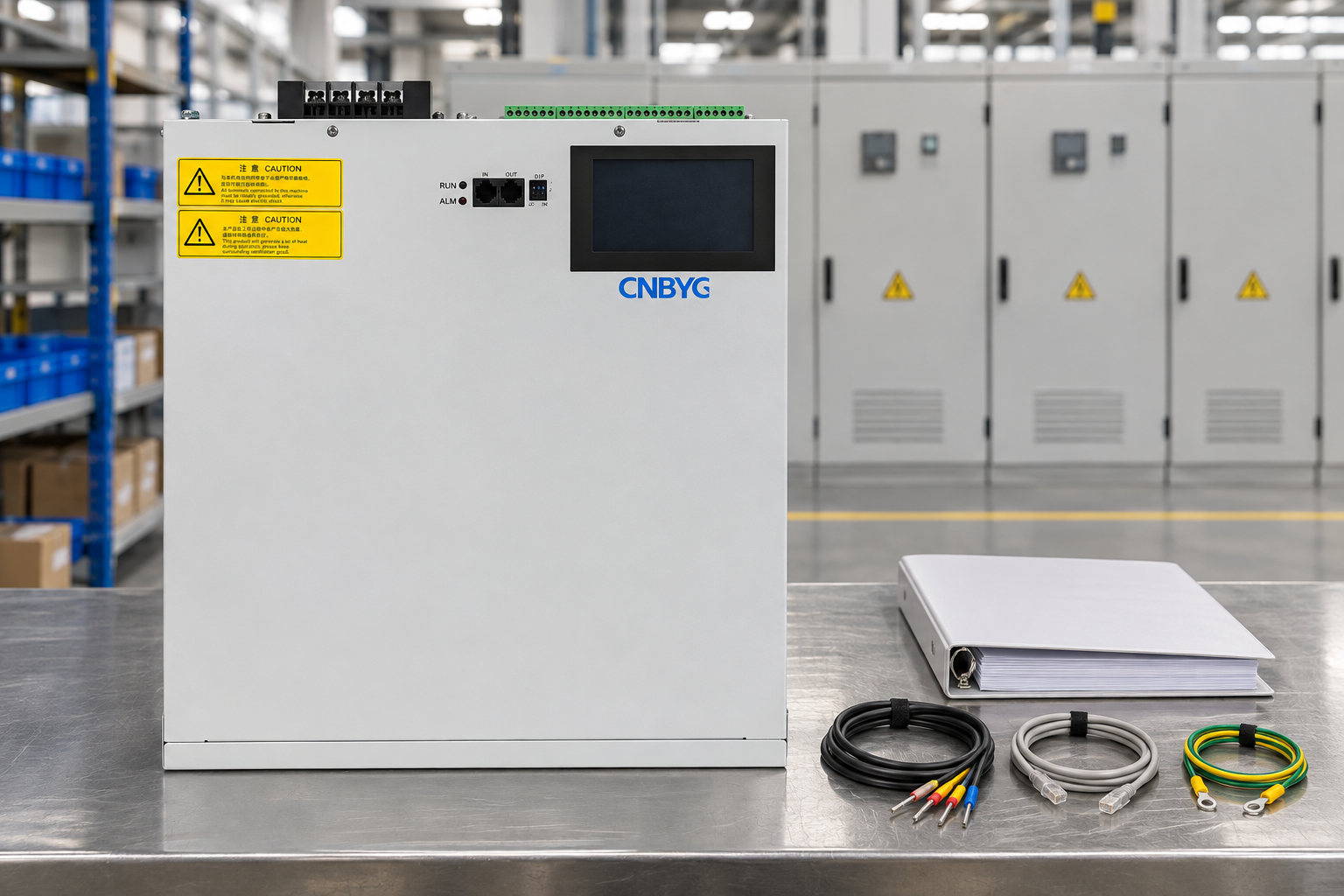
| Installation conditions | Instructions, cable arrangement and enclosure details | Which conditions must the installer preserve? |
| cURL Too many subrequests by single Worker invocation. To configure this limit, refer to https://developers.cloudflare.com/workers/wrangler/configuration/#limits | cURL Too many subrequests by single Worker invocation. To configure this limit, refer to https://developers.cloudflare.com/workers/wrangler/configuration/#limits | cURL Too many subrequests by single Worker invocation. To configure this limit, refer to https://developers.cloudflare.com/workers/wrangler/configuration/#limits |
| cURL Too many subrequests by single Worker invocation. To configure this limit, refer to https://developers.cloudflare.com/workers/wrangler/configuration/#limits | cURL Too many subrequests by single Worker invocation. To configure this limit, refer to https://developers.cloudflare.com/workers/wrangler/configuration/#limits | cURL Too many subrequests by single Worker invocation. To configure this limit, refer to https://developers.cloudflare.com/workers/wrangler/configuration/#limits |
cURL Too many subrequests by single Worker invocation. To configure this limit, refer to https://developers.cloudflare.com/workers/wrangler/configuration/#limits.
cURL Too many subrequests by single Worker invocation. To configure this limit, refer to https://developers.cloudflare.com/workers/wrangler/configuration/#limits
cURL Too many subrequests by single Worker invocation. To configure this limit, refer to https://developers.cloudflare.com/workers/wrangler/configuration/#limits.
Do not invent a universal cable separation distance, shield termination method or bonding measurement limit. The appropriate arrangement depends on the equipment and governing design. If site constraints prevent compliance with an instruction, submit the proposed alternative to the responsible designer and supplier before installation, rather than treating a neat-looking route as sufficient evidence.
Gunakan Checklist instalasi AHF to coordinate these conditions with electrical protection, access and commissioning. A document review has practical value only when the conditions it identifies reach the physical installation and are checked at handover.
Separate laboratory evidence from site acceptance
Laboratory documentation and site commissioning have different roles. The first supports an identified assessment under recorded conditions. The second confirms the installed arrangement and evaluates the project’s agreed functions. A normal production run without a reported interference event is useful operating information, but it does not recreate every relevant EMC test.
For harmonic acceptance, use a planned measurement method and record the operating state, measurement point and relevant supply conditions. The separate guide to verifying AHF performance against IEEE 519 explains that review. Keep those results in the acceptance package without relabelling them as a complete EMC qualification.
If equipment nearby behaves unexpectedly after installation, preserve the event timeline, load state, affected functions and any recent changes. Have qualified specialists investigate possible causes. Do not assume every communication fault is caused by the AHF, and do not bypass protective bonding or disconnect safety connections as an informal diagnostic experiment.
Control changes after the order
Agree how model substitutions, software updates, cable changes, accessories and enclosure modifications are assessed. A change request should identify the previous state, proposed state, reason and supplier’s technical disposition. Keep the assessment proportional to the change, but do not accept an unexplained statement that the new arrangement is basically the same.
At delivery, compare the supplied identity and documentation with the approved list. Resolve differences before removing labels or discarding packaging that may carry traceability information. At handover, retain the released drawings, instructions, declaration, report references, installation checks and outstanding conditions as one navigable package.
Later maintenance should preserve that package. When replacing a component or updating software, record the approved revision and any relevant configuration conditions. If the installation develops a repeated fault, the engineer can then compare the operating equipment with the assessed arrangement instead of trying to reconstruct years of undocumented substitutions.
Frame a useful supplier enquiry
Send the proposed model and application, intended environment, market, relevant project requirements and installation constraints. Request a document index and an explanation of model coverage. Identify separate requests for emissions, immunity and harmonic performance so the response can be reviewed without ambiguity.
Prioritise material gaps. A mismatched model or absent applicability assessment deserves more attention than a cosmetic difference in a cover page. A clear review decision states which evidence was accepted, which conditions must be preserved and which actions remain open. It should never imply a new certification issued by the purchaser.
Learn the EMC vocabulary
The following lesson from the Institute of Electronics at TU Graz explains emission, immunity, conducted and radiated effects. It provides neutral technical background for reading supplier documents. It does not assess the CNBYG AHF or replace the applicable compliance review.
Pertanyaan yang sering diajukan
Does low THD prove that an AHF meets all EMC requirements?
No. A harmonic measurement addresses a defined power-quality question under recorded conditions. Review the applicable emissions and immunity evidence separately, and confirm how the installed configuration relates to the supplier’s documentation.
Is IEC 61000-6-4 an immunity standard?
The cited IEC publication is a generic industrial emission standard. Ask the supplier which requirements and evidence address immunity, and have the responsible specialist confirm the applicable standards for the exact equipment and intended market.
Can one report cover several AHF models?
It may cover a documented family, but do not assume that from similar appearance or ratings. Request the report scope and the technical explanation linking the supplied model and configuration to the assessed equipment.
What must be retained after commissioning?
Retain equipment identity, the approved document index, declarations and report references, installation conditions, released drawings, site acceptance results and change assessments. Preserve unresolved conditions with assigned owners rather than presenting an incomplete package as fully accepted.