


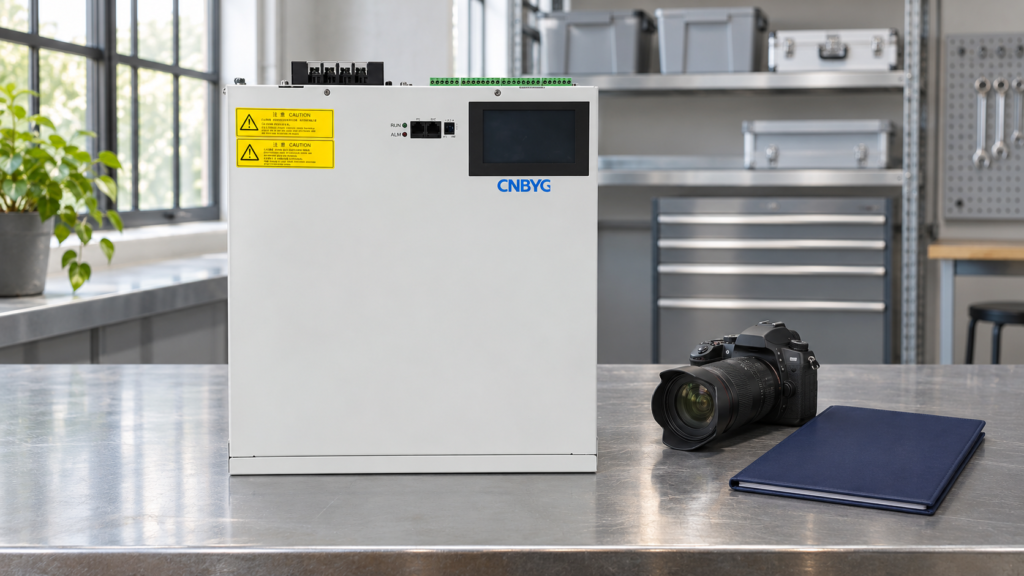
An AHF maintenance photo record should connect every original photograph to the correct asset, work order, observation and review decision. Start with a short index that identifies the file, capture context, location on the equipment and the question it helps answer. Keep originals separate from annotated copies. A photograph can support a visible observation; it cannot establish isolation, internal condition, electrical performance or approval to return equipment to service. This guide explains a practical record workflow for maintenance teams documenting an active harmonic filter, without prescribing an inspection method or assuming a camera interface in the equipment.
Define the photographic question before the visit
A large folder of pictures is difficult to review when nobody has stated what the photographs need to explain. Write the question against the work order first. Examples include identifying an enclosure in its installed location, documenting the external condition of a delivered replacement, or showing the location of a visible mark reported by an operator. Each question leads to a different view. An overall room photograph may locate the equipment but leave a small surface feature invisible.
Use the actual CNBYG active harmonic filter product as the product reference, and obtain the installed model instructions for the job. Similar external appearance does not establish the same rating, revision or service procedure. Do not invent an asset identity from a catalogue photograph. Where a label cannot be read safely, record that limitation and arrange an approved alternative identification route with the responsible engineer.
This article is about organizing authorized records. It does not authorize opening covers, entering a restricted space or approaching exposed electrical parts to improve a photograph. The work plan determines what can be observed. If the desired view is outside that boundary, leave the record incomplete and explain the restriction rather than changing the work merely to fill an image slot.
Build an index that another reviewer can follow
Assign an image reference within the work package and keep the original filename as a separate field. The index should survive a change of folder location: a reviewer should still know which file belongs to which observation. Avoid using a person’s chat history as the only connection between an image and the equipment. Messages can lose attachments, filenames and context when forwarded.
| Index field | Apa yang harus dicatat | Pertanyaan ulasan |
|---|---|---|
| Work reference | Approved job or visit identifier | Which intervention generated the image? |
| Asset reference | Confirmed equipment identity and location | Can this image be tied to the right AHF? |
| Original file | Filename and controlled storage location | Can the unedited capture be retrieved? |
| Capture context | Date, photographer and known time limitations | Is the sequence understood without guessing? |
| View and observation | Equipment side, feature and visible condition | What does this view actually show? |
| Related evidence | Finding number, measurement report or instruction reference | What additional record is needed? |
| Review disposition | Reviewer, decision and outstanding question | Has the observation been resolved? |
This is an example administrative index, not a mandated inspection form. Hong Kong EMSD’s electrical installation maintenance framework provides broader maintenance-management context. The field choices above are a proposed way of making an AHF photo package easier to retrieve and review, rather than a claim that the authority requires this exact table.
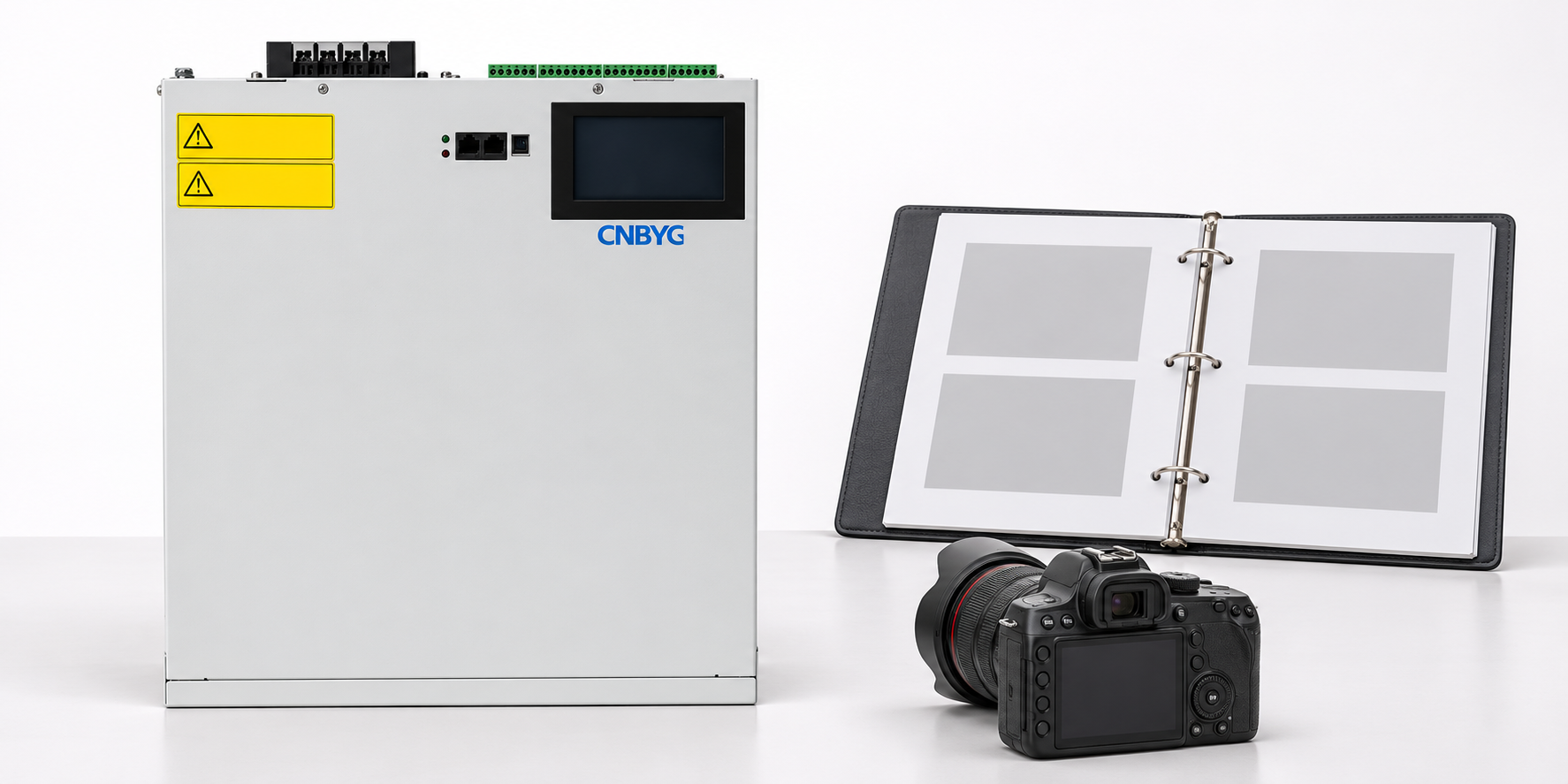

Connect context views and detailed views
Use related image references when an overall view and a detail view describe the same finding. The context view should help a reviewer locate the area; the detail should show the relevant visible feature. Neither view should force the reviewer to guess which of several similar units is involved. A note such as “front upper corner, unit identified in context image” is more useful than “problem here.”
Write captions that distinguish observation from interpretation. “Discoloration visible on the external surface” describes the image. “Electrical overheating confirmed” is a technical conclusion that needs appropriate evidence. If a conclusion is subsequently established, reference the separate report and its author. Do not silently upgrade an early visual note into a verified diagnosis when preparing the final package.
Port Houston’s electrical facility inspection and condition assessment manual links condition records with component identification and relevant photographs. Its facility-specific requirements are not CNBYG product instructions. The useful documentation principle here is to keep identity, location and observed condition connected so that someone reading the record later can understand the evidence.
cURL Too many subrequests by single Worker invocation. To configure this limit, refer to https://developers.cloudflare.com/workers/wrangler/configuration/#limits
cURL Too many subrequests by single Worker invocation. To configure this limit, refer to https://developers.cloudflare.com/workers/wrangler/configuration/#limits.
cURL Too many subrequests by single Worker invocation. To configure this limit, refer to https://developers.cloudflare.com/workers/wrangler/configuration/#limits.
cURL Too many subrequests by single Worker invocation. To configure this limit, refer to https://developers.cloudflare.com/workers/wrangler/configuration/#limits.
cURL Too many subrequests by single Worker invocation. To configure this limit, refer to https://developers.cloudflare.com/workers/wrangler/configuration/#limits
cURL Too many subrequests by single Worker invocation. To configure this limit, refer to https://developers.cloudflare.com/workers/wrangler/configuration/#limits.
cURL Too many subrequests by single Worker invocation. To configure this limit, refer to https://developers.cloudflare.com/workers/wrangler/configuration/#limits.
cURL Too many subrequests by single Worker invocation. To configure this limit, refer to https://developers.cloudflare.com/workers/wrangler/configuration/#limits cURL Too many subrequests by single Worker invocation. To configure this limit, refer to https://developers.cloudflare.com/workers/wrangler/configuration/#limits. cURL Too many subrequests by single Worker invocation. To configure this limit, refer to https://developers.cloudflare.com/workers/wrangler/configuration/#limits.
Review the evidence package before closing the observation
Check the index against the stored files, not just the thumbnail sheet. Open representative originals and every file supporting an unresolved or consequential finding. Confirm that the detail view can be matched to its context view and that the captions use the same equipment identity as the work order. If a file is corrupt or missing, record the failure and recover it from an approved source where possible.
Then check the relationship between photographs and the other records. A visible restored cover may support a completion observation, but it does not replace a required test result or a responsible person’s release decision. The AHF maintenance schedule guidance addresses the wider maintenance program. The photo index should reference the actual intervention without turning into a substitute for that program.
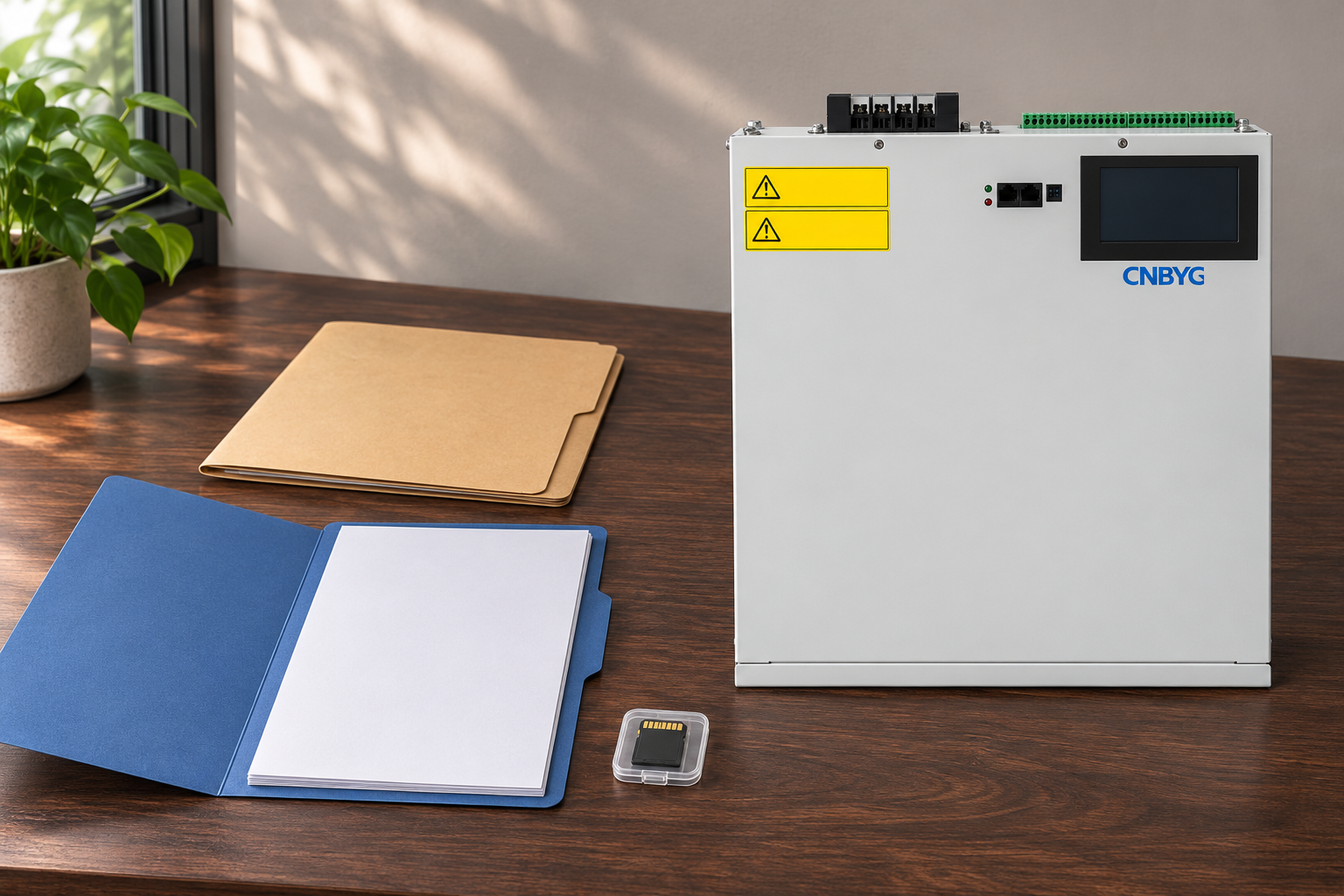

A useful review decision states what the package supports, what remains uncertain and who owns the next action. For example, a reviewer may accept the identity photographs while leaving an inaccessible condition unresolved. Avoid a single “photos approved” tick that could be misunderstood as approval of the whole electrical installation. File acceptance, technical assessment and operational release are different decisions.
Example: a visible enclosure mark reported after delivery
Consider an illustrative delivery review in which a mark is visible on the outside of an AHF enclosure. The receiving team records the package identity, the affected unit and a context view before adding a detail image. The index connects both files to one observation. No one opens the enclosure or assumes that the mark affects internal operation simply because the photograph looks concerning.
The responsible reviewer asks for manufacturer guidance on the actual unit and records the response against the observation. If another permitted view is requested, it receives its own image reference. The original report is preserved rather than replaced with a cleaner later photograph. The final disposition can therefore explain both what was first seen and how the question was resolved. This example describes a documentation sequence, not an actual CNBYG case or a universal acceptance rule.
Electrical safety context for documentation teams
The neutral video below explains why electrical repair work needs proper planning and controls. It is a safety lesson from the US Department of Labor, not an AHF photography demonstration. Watching it does not qualify a person for electrical work or expand the access boundary of a maintenance visit.

The photo package is one part of the visit record. Use the separate AHF service report acceptance guide to distinguish accepting a set of files from accepting the contractor’s complete technical report.
Pertanyaan yang sering diajukan
Can a photo prove an AHF is safe to energize?
No. A photograph records a view at a particular moment. Required inspection, testing and authorized release decisions must follow the actual equipment instructions and site procedures.
Should annotated images replace the originals?
No. Retain the original capture and identify annotated or redacted versions as separate derivatives. Keep a clear link between each copy and its source file.
What if the asset label is unreadable in the photograph?
Record the identification limitation and seek an approved alternative from the responsible engineer or manufacturer. Do not guess a serial number or borrow a picture from a similar unit.
Does CNBYG AHF equipment need a built-in camera interface for this workflow?
No. This is an external maintenance-record process. It makes no claim about an AHF camera, storage, export or communications feature.