Создание проверяемых журналов для ступеней антигармонических конденсаторов
Журналы этапов гибридной системы полезны, когда они сохраняют информацию о том, что командовал контроллер, что показывало оборудование, какие измерения проводились и что работало в данный момент. Журнал этапа не является доказательством того, что конденсатор, фильтр или другое устройство стали причиной изменения результатов на объекте.
Прямой ответ
Храните события команд, состояние доступного этапа, историю тревог, основу часов и операционный контекст в одной датированной записи. Используйте этот пакет для определения того, что требует последующих мер; не превращайте отдельное изменение в претензию на совместимость или гармонические характеристики.
Часть 1. Назовите вопрос, на который должен отвечать сценический журнал
Сформулируйте узкий вопрос: управлялась ли названная ступень в заданном рабочем окне, последовала ли индикация состояния или требует ли аварийный сигнал расследования. Это предотвращает превращение команды “проверьте гибридную систему” в ничем не подкрепленный вывод.
| Вопрос | Запись требуется | Не доказано |
|---|---|---|
| была ли задана сцена? | выходное событие и метка времени | физическая операция |
| Сообщалось ли о состоянии? | журнал индикации и сигнализации | результат для всей системы |
| Изменила ли ревизия хронологию? | устаревшие декорации и события | причина наблюдения |
Часть 2. Обозначьте границу электрических и контрольных цепей
Запишите шкаф, шину или фидер, идентификатор контроллера, идентификатор студии (этапа), точку измерения и ревизию чертежа. Название студии (этапа) без границы можно перепутать с другой секцией (банком) или другим окном изменений.
Часть 3. Объедините команду и состояние в читаемую хронологию
Приведите команду размещения, доступную обратную связь, состояние сигнализации и любой электрический захват к единой временной шкале (тактовой основе). Если часы не синхронизированы, укажите погрешность вместо того, чтобы принудительно устанавливать ложную последовательность.
| Поле события | Зачем сохранять это |
|---|---|
| идентификатор этапа и направление команды | различает запрошенное действие |
| доступное состояние или сигнал тревоги | фиксирует то, что было указано впоследствии |
| источник тактового сигнала и окно экспорта | делает сравнения воспроизводимыми |
Часть 4. Добавьте операционный контекст к каждой группе событий
Шнейдер Руководство по электромонтажу увязывает гармонические условия с более широким контекстом батареи конденсаторов. Отмечайте расположение источников, основные нелинейные нагрузки, ручные операции и изменения топологии рядом с каждой группой событий.
Важно: Гибридный журнал должен сохранять условия вокруг события, включая любой соответствующий контекст гармоник или реактора. Он не доказывает, что та или иная ступень устранила, вызвала или предотвратила проблему с качеством электроэнергии. Источник: Контекст конденсаторной установки Schneider.
Часть 5. Не скрывайте исключения, оставляйте их на виду
Сохраняйте тревожные сигналы, ручные переопределения, пробелы в связи и неполные снимки данных в качестве исключений. Аккуратно выглядящий отчет, в котором они удалены, не сможет показать проверяющему, какие данные фактически были доступны для принятия решения.
| Исключение | Записать действие | Стоимость просмотра |
|---|---|---|
| рассинхронизированные часы | укажите известное смещение | избегает ложного порядка |
| ручное вмешательство | назовите действие и время | разделяет автоматическую последовательность |
| пропущенный кадр | обозначить пробел | определяет следующую потребность в доказательствах |
Часть 6. Подготовка входных данных сценического журнала для обзора контекста продукта
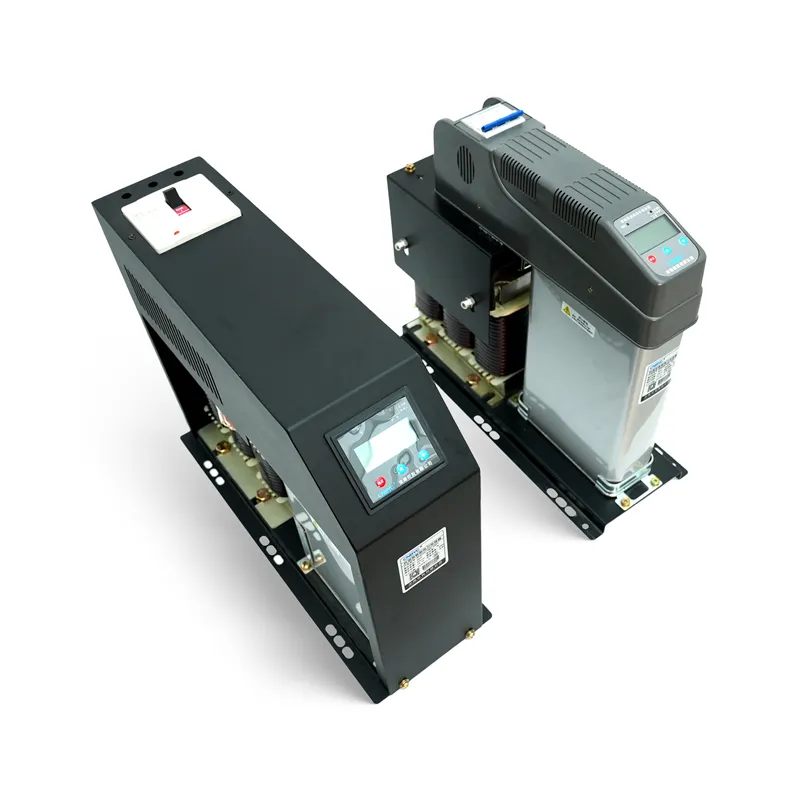
Земля Контекст продукта: антигармонический конденсатор BY82J может рассматриваться только после того, как в записи указаны оборудование и граница проекта. Общедоступная страница не доказывает, что гибридная схема подходит для неопределенной установки.
| Отправить с расценкой / Запрос коммерческого предложения | Почему это важно | Избегать |
|---|---|---|
| однолинейная схема и спецификация оборудования | определяет границу этапа | просто сценический псевдоним |
| экспорт, будильники и заметки часов | делает хронологию доступной для просмотра | удаленные исключения |
| условия эксплуатации и задача | ограничивает расследование доказательствами | обещания результатов |
Граница применимости (Fit boundary): этот метод упорядочивает записи перед принятием проектного решения. Он не санкционирует переключение, не утверждает проект и не устанавливает соответствие требованиям. Отправьте пакет stage-log когда доказательства будут готовы.
Часто задаваемые вопросы
Что должно содержаться в журнале конденсаторной ступени?
Сохраняйте сценическую идентичность, команды, доступное состояние, аварийные сигналы, системную шкафу времени, границу измерений и операционный контекст.
Доказывает ли команда, что этап изменился?
Нет. Оно фиксирует запрошенное действие и должно оставаться отдельным от доступной индикации и электрических свидетельств.
Зачем нужны будильники?
Сигнализация выявляет исключение в записи; их удаление может скрыть пробел в доказательствах.
Какие условия эксплуатации имеют значение?
Запишите расположение источников, активные группы нагрузки, ручные действия, конфигурацию этапов и соответствующие изменения топологии.
Доказывает ли гибридный журнал результат?
Нет. Оно поддерживает проверочные вопросы; оно не доказывает совместимость, подавление гармоник или приемку.
Когда требуется инженерная проверка?
Используйте квалифицированный обзор проекта для «живого» переключения, вопросов защиты, нечетких границ, решений о приемке или выводов, выходящих за рамки зафиксированных данных.