AHF Cabinet IP Rating: Verify the Complete Installed Enclosure
An AHF cabinet IP rating should be verified against the exact enclosure and installed configuration being supplied. A rating for an empty cabinet, a filter module or a cable gland does not establish the protection of the completed assembly. Start with the required environment, identify which physical boundary carries the rating, and connect the supplier’s evidence to released drawings, openings and installation instructions. For an active harmonic filter, this review must also preserve the cooling arrangement. Blocking ventilation to obtain an apparently better seal can create a different engineering problem.
Start with the actual CNBYG product boundary
Земля Страница продукта CNBYG AHF lists wall-mounted and rack-mounted configurations and states IP20 in its specification tables. That published information is a starting point for a model-specific enquiry. It is not evidence that every possible surrounding cabinet, modified installation or outdoor application has the same protection, or a higher one.
Ask the supplier to identify the exact model, mounting arrangement and enclosure included in the quotation. If the project adds a cabinet around a module, identify who designs and verifies that completed assembly. Keep the module’s declared protection and the assembly’s required protection in separate fields. Record unresolved differences before approving the order, rather than assuming the larger enclosure automatically transfers its rating to everything inside it.
For the electrical context, read the принцип работы активного фильтра гармоник. Harmonic compensation and enclosure protection answer different questions. A successful current-distortion measurement cannot demonstrate resistance to water entering a door, just as a well-sealed door cannot demonstrate adequate harmonic compensation.
Define the exposure before choosing the code
Describe the intended location in practical terms: dry electrical room, dusty process area, wind-driven rain nearby, cleaning activity, overhead pipework or an exposed transfer route. Identify normal operation and foreseeable maintenance states separately. A door that must remain closed during operation provides no assurance for work performed with it open.
Официальный документ IEC 60529 publication identifies the enclosure-protection standard. Use the applicable edition and project requirements when interpreting a proposed code. This article offers a purchasing review method; it does not reproduce the standard’s detailed test procedures or provide a universal rating for every site.
Describe cleaning accurately. An occasional damp wipe is different from a directed hose, and a roof leak is different from a controlled laboratory exposure. Do not simplify all three into the word waterproof. Also list corrosion, condensation, sunlight and temperature as separate requirements where relevant. An ingress code alone does not resolve the complete environmental specification.
Build an evidence chain that reaches the delivered equipment
Request the declaration or report supporting the proposed rating, including its reference number, issuer, equipment identification and scope. Ask for the configuration to which the conclusion applies. A report can be genuine and still cover a different door, housing size or opening arrangement from the equipment on the purchase order.
Compare the report identification with the general arrangement drawing, bill of materials and product revision. Where a product family is covered, ask the responsible designer to explain why the selected variant is included. Do not make that equivalence decision from a similar photograph. Record the supplier’s explanation and any limits in the procurement file.
Independent testing can provide useful evidence, but review the actual report rather than relying on a logo. Intertek’s ingress-protection testing overview describes testing against access, solids and water. Its service description concerns testing principles; it does not certify the CNBYG product or the enclosure proposed for your project.
Review openings as a complete arrangement
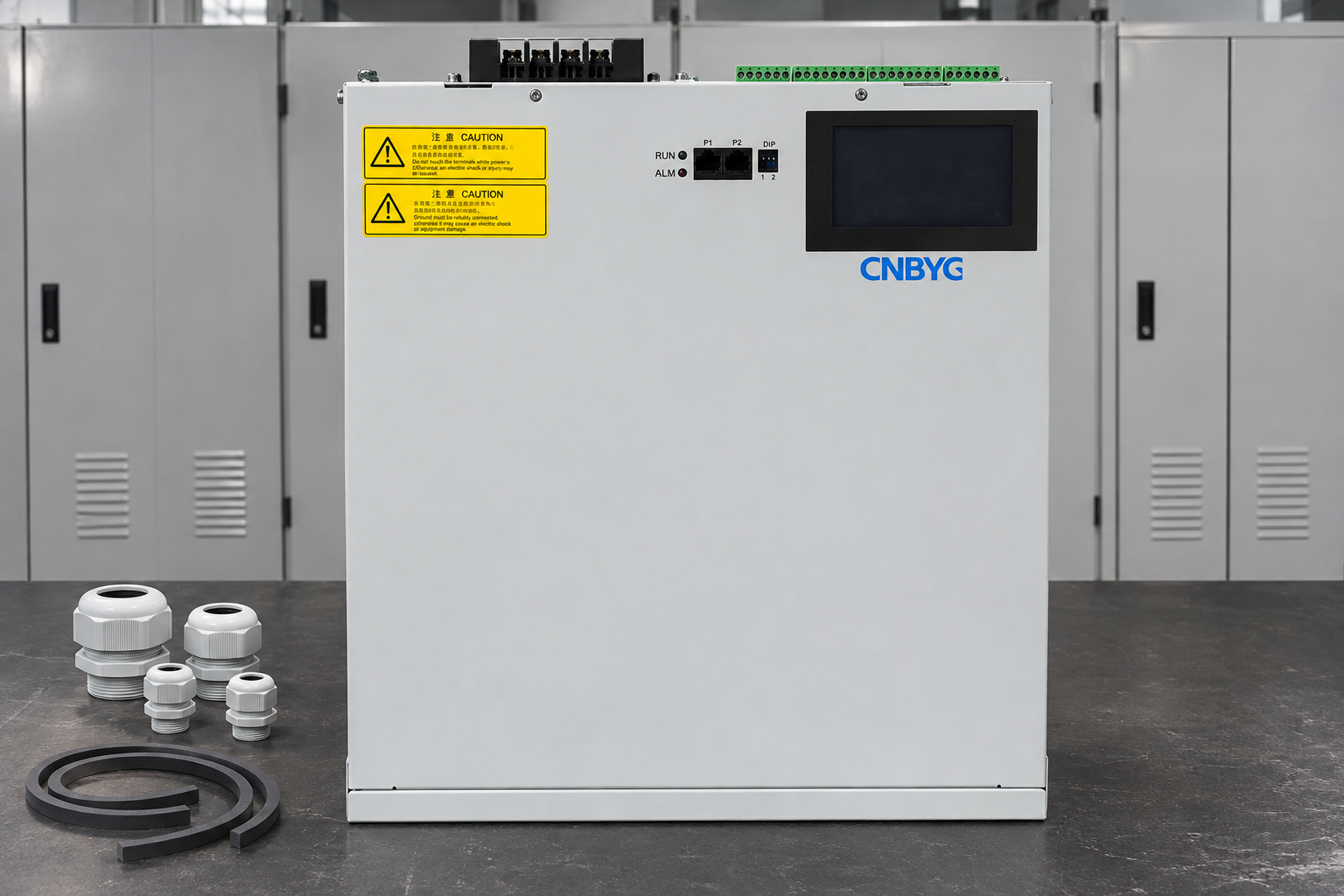
Create an opening register from the released drawing. Include cooling paths, cable entries, gland plates, display apertures, communication connections, door joints and unused holes. For each opening, identify its component, installation method and reference document. The purpose is to expose omissions between a cabinet specification and what the installer will actually assemble.
Inspect the ventilation proposal with the thermal designer. A filter grille, fan or heat exchanger is part of an arrangement with particular mounting and maintenance requirements. Substituting a visually similar part can alter that arrangement. Avoid field improvisations such as covering a vent with an unapproved sheet or adding a convenient hole for a communication cable.
Cable glands need matching cables, installation details and closure of unused entries. A gland’s individual rating is useful component information, but it cannot answer whether the complete plate was drilled correctly, whether the selected cable fits or whether another opening remains unsealed. Have the supplier specify the required installation checks instead of inventing generic tightening values.
Use a practical review table
The following table is a proposed project checklist, not an IEC test schedule. Its acceptance documents should be agreed with the supplier and project engineer before fabrication.
| Проверяемый параметр | Доказательства для запроса | Difference requiring resolution |
|---|---|---|
| Rated boundary | Drawing showing the complete enclosure and declared code | Module protection presented as the finished cabinet rating |
| Идентификатор оборудования | Model, size, revision and report coverage | Quoted variant absent from the documented scope |
| Ventilation | Approved cooling components and mounting details | Different grille, fan or filter fitted on site |
| Cable entries | Entry schedule, gland selection and unused-hole closures | Cable diameter or plate arrangement differs from the drawing |
| Door and display | Joint, latch, gasket and aperture details | Damaged gasket or unapproved display cutout |
| Field changes | cURL Too many subrequests by single Worker invocation. To configure this limit, refer to https://developers.cloudflare.com/workers/wrangler/configuration/#limits | cURL Too many subrequests by single Worker invocation. To configure this limit, refer to https://developers.cloudflare.com/workers/wrangler/configuration/#limits |
| cURL Too many subrequests by single Worker invocation. To configure this limit, refer to https://developers.cloudflare.com/workers/wrangler/configuration/#limits | cURL Too many subrequests by single Worker invocation. To configure this limit, refer to https://developers.cloudflare.com/workers/wrangler/configuration/#limits | cURL Too many subrequests by single Worker invocation. To configure this limit, refer to https://developers.cloudflare.com/workers/wrangler/configuration/#limits |
cURL Too many subrequests by single Worker invocation. To configure this limit, refer to https://developers.cloudflare.com/workers/wrangler/configuration/#limits Контрольный список установки AHF cURL Too many subrequests by single Worker invocation. To configure this limit, refer to https://developers.cloudflare.com/workers/wrangler/configuration/#limits.
cURL Too many subrequests by single Worker invocation. To configure this limit, refer to https://developers.cloudflare.com/workers/wrangler/configuration/#limits
cURL Too many subrequests by single Worker invocation. To configure this limit, refer to https://developers.cloudflare.com/workers/wrangler/configuration/#limits.
For example, consider a dry-room module placed inside a proposed process-area cabinet. The responsible designer should identify the module’s cooling requirements, the cabinet’s heat-removal method and the environmental boundary. If a different ventilation component is introduced after the proposal, assess both thermal suitability and ingress protection before releasing the change.
Используйте отдельное AHF ventilation and heat-dissipation checklist for the cooling review. Do not treat a satisfactory room-temperature observation during a light-load visit as proof of the full design. Likewise, do not use an ingress report to replace the project’s thermal verification.
Check delivered condition without improvising a test
At receiving, compare equipment identity and visible construction with the approved documents. Record transit damage, distorted doors, displaced gaskets, missing closures and substituted fittings. Photograph relevant details while preserving identification and context. Route discrepancies to the supplier before making repairs that could conceal their original condition.
Qualified personnel should plan any access to electrical compartments under the site’s safe-work procedures. Do not spray water, introduce dust, probe openings or energize exposed equipment as an informal acceptance demonstration. Formal testing requires an agreed method, suitable facilities and defined safety controls; a purchasing inspection should not become an uncontrolled experiment.
Use dispositions that make the remaining work clear: accepted against identified evidence, held pending documents, or rejected for a recorded mismatch. An empty checkbox called IP passed hides too much information. The release record should name the equipment, governing documents, reviewer and outstanding conditions.
Manage later changes and maintenance
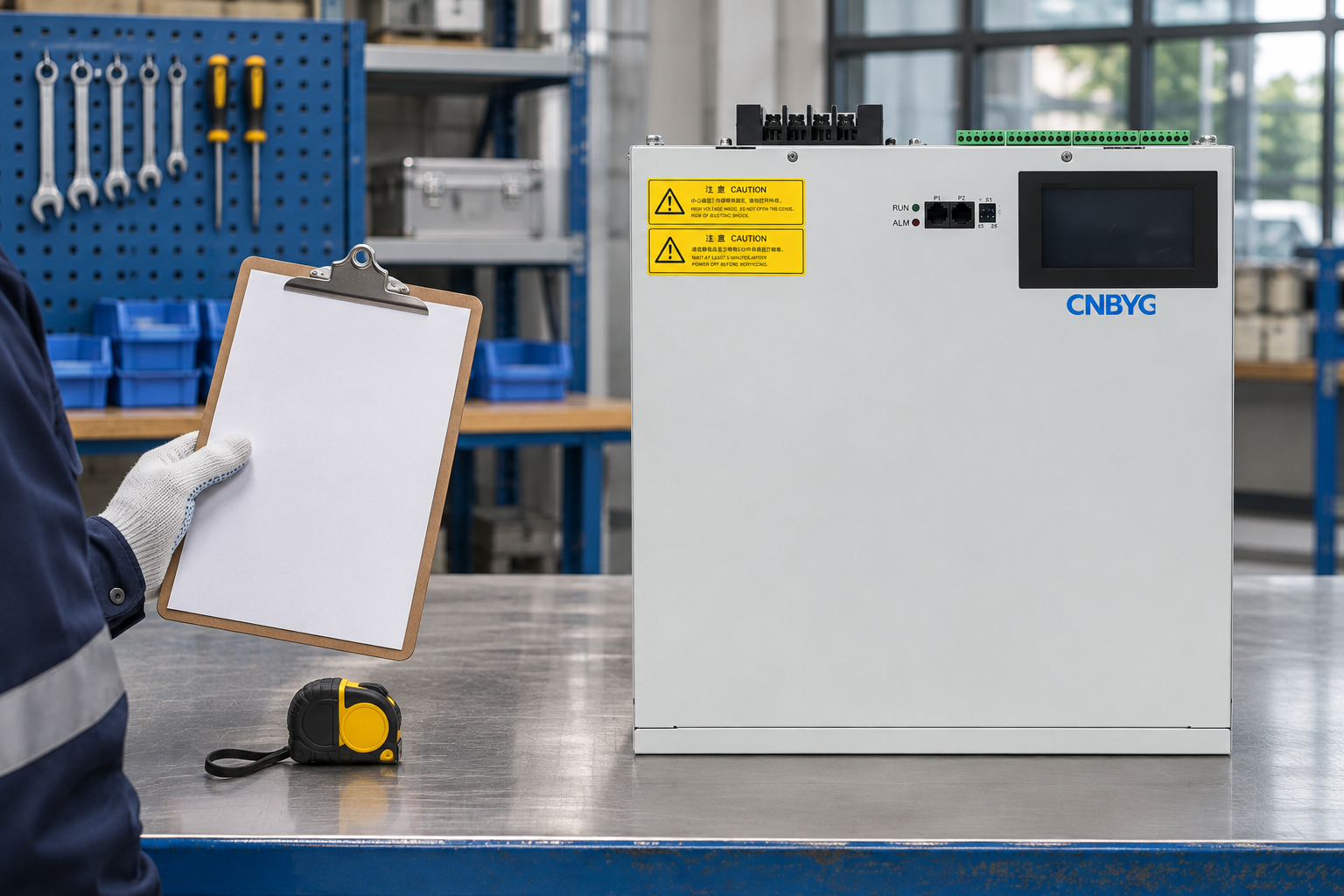
Preserve the approved arrangement after handover. Adding a sensor, changing a fan, replacing a damaged door or routing another cable can affect the evidence chain. Introduce a simple change request containing the proposed part, drawing revision, reason and supplier assessment. Close it only when the installed state and documentation agree.
Maintenance instructions should explain which items need inspection and how replacement components are identified. Ask the supplier about gasket condition, door closure, approved filter elements and entry seals where applicable. Avoid creating your own inspection interval from a photograph or transferring a schedule from unrelated equipment.
When a defect is found, record its location and condition, the temporary operating decision and the approved repair. A replaced component should be traceable to the intended specification. Retain the earlier evidence so a future reviewer can understand why a change was accepted, rather than finding only a final picture of a closed door.
Learn the IP terminology before reviewing quotations
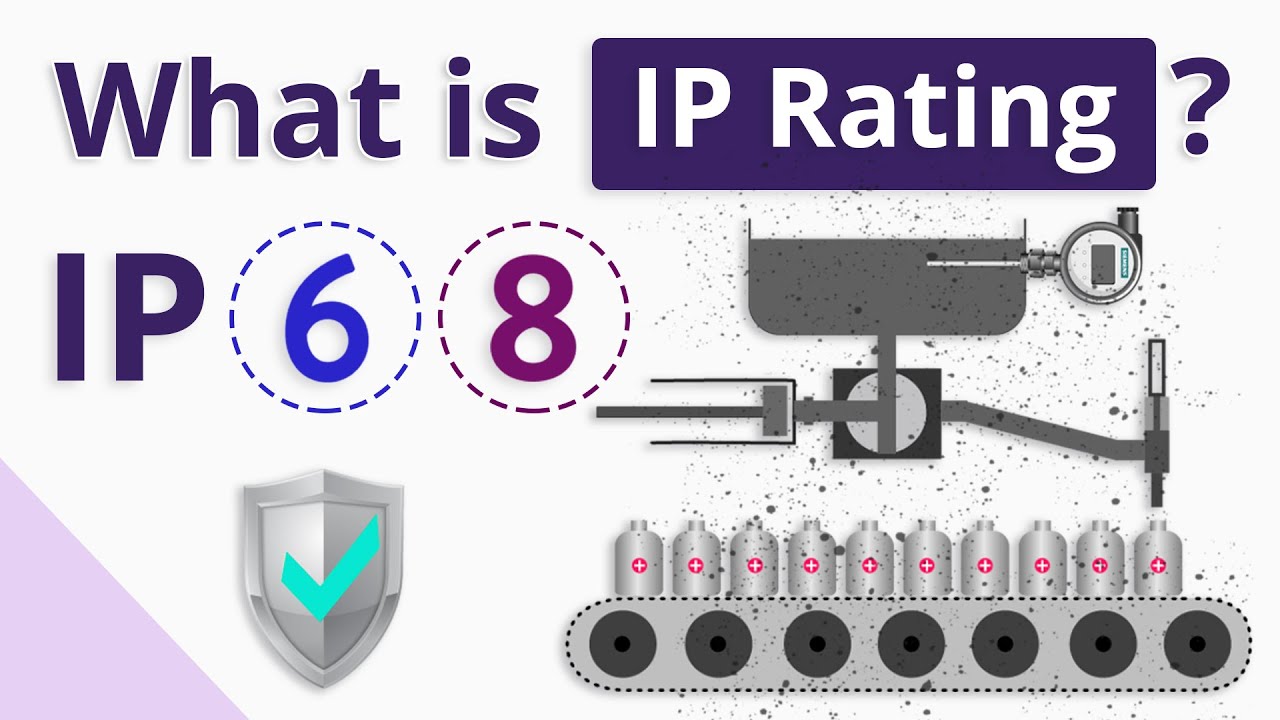
The following RealPars educational lesson introduces ingress-protection terminology. It supports communication between purchasing and engineering; it does not establish an AHF rating, replace the applicable standard or approve an installation.
Часто задаваемые вопросы
Does IP20 on the AHF page mean the complete site cabinet is IP20?
It identifies published product information for the listed configuration. Confirm the exact model and rated boundary with the supplier. A surrounding cabinet or modified assembly requires its own documented protection assessment; do not assume a rating transfers between those boundaries.
Can a higher-rated gland upgrade the whole cabinet?
A gland alone cannot establish the complete cabinet rating. Review the cable fit, installation method, mounting plate, unused entries and every other relevant opening against the approved enclosure arrangement.
Can I seal the cooling openings to improve protection?
Do not alter cooling openings without the equipment designer’s approval. A change may affect both heat removal and ingress protection. Ask for a configuration that addresses the environmental and thermal requirements together.
What should the final purchasing record contain?
Keep the exact equipment identity, declared boundary and code, supporting report references, released drawings, component schedule, installation conditions, receiving discrepancies and signed dispositions. Record maintenance requirements and later changes against the same configuration.