


Полезное различие между планированием с детонированными и стонированными конденсаторными блоками — это не просто название в ценовом прайс-листе. Это вопрос исследования, сетевой модели, эксплуатационных условий и доказательств, которые учитываются при рассмотрении конкретного реактора или конденсаторного устройства.

Прямой ответ
Сравните методы тонкости и тонировки с таким же дисциплинированным набором входных данных: электрическую топологию, репрезентативные данные гармоник, рабочие сценарии, существующее оборудование и решение проекта. Не выбирайте точку тонкости по изображениям продукта, одному показанию или не связанной с проектом установке.
Часть 1. Начните с того, что исследование должно быть обоснованным
Укажите, рассматривает ли проект новую банковскую структуру, расширение, постоянное наблюдение или замену существующей границы. Это позволяет избежать того, чтобы сравнение превратилось в общий запрос на “лучшую схему”.
| Решение | Требуются доказательства | Не установлено |
|---|---|---|
| новый или расширенный банк | топология и репрезентативные данные | стандартная настройка |
| наблюдаемое состояние | датальная запись измерения и оперативная записка | Основная причина из одного чтения |
| обзор цитаты | документированная цель исследования | принятие одобрения |
Часть 2. Нарисуйте банк конденсаторов и его электрические соседи
Покажите на одной схеме источники питания, трансформаторы, линии связи, конденсаторы, реакторы, нелинейные нагрузки, фильтры, защитные и измерительные устройства. Сравнивать нельзя безопасно, если электрические соседи неизвестны.
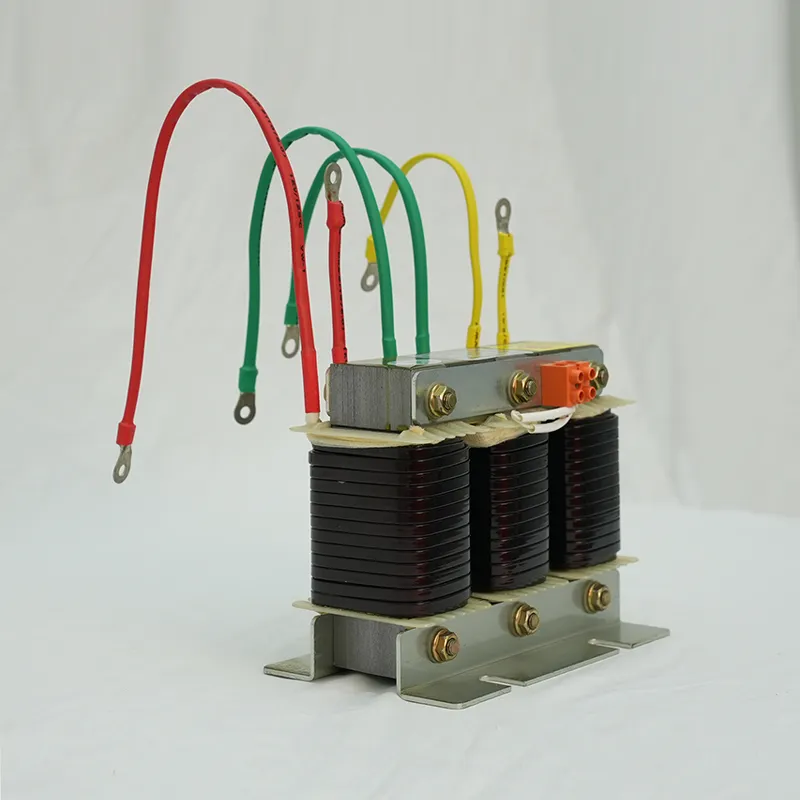
Часть 3. Сбор данных, описывающих эксплуатационные условия
Записывайте место измерения, схему расположения, базис времени, активные группы нагрузки и состояние конденсаторного этажа рядом с каждым набором данных. Руководство по подготовке базового отчета о качестве электроэнергии предоставляет связанную структуру записей.
| Вводные данные исследования | Почему это важно |
|---|---|
| гармонический спектр и временное окно | определяет наблюдаемое состояние и его продолжительность |
| потребность и состояние работы | предотвращает сопоставление периодов производства |
| существующие стадии и реакторы | вызывает отображение установленного контекста взаимодействия |
Часть 4. Тестирование сценок, а не один удобный снимок
Шнейдер Руководство по электромонтажу рассказывает, почему гармонические условия следует учитывать при анализе конденсаторной группы. Создавайте сценарии с учетом заданного режима нагрузки и топологии, а не рассматривайте каждый спокойный сдвиг как единичное явление.
Важно: Неисправная или исправная маркировка не является доказательством результатов проекта. При каждом сравнении сохраняйте исходные предположения исследования, операционный случай и вопросы приемлемости. Источник: Руководство Schneider по гармоническим решениям; Это контекст, а не точное указание.
Часть 5. Записывайте, что сравнение может и не выявить
Обосновать сравнение в виде решения о принятии решения. В нем могут быть указаны отсутствующие данные или сценарии, заслуживающие изучения; это не является подтверждением того, что данная процедура соответствует требованиям или что она может заменить ответственный процесс анализа проекта.
| Выход для сравнения | Правильное использование | Граница |
|---|---|---|
| моделизированные предположения | проверка полноты данных | Предположения требуют подтверждения со стороны проекта |
| список сценариев | организовать доказательства | не является гарантией исполнения |
| неотвеченный вопрос | определить следующий этап исследования | не является отказом от продукта |
Часть 6. Отправить доказательства исследования для анализа контекста продукта реактора
Земля Контекст продукции реактора CKSG Можно провести пересмотр после того, как будет определена граница исследования. Страница с информацией о публичных продуктах не определяет выбор настройки для неопределенной системы.
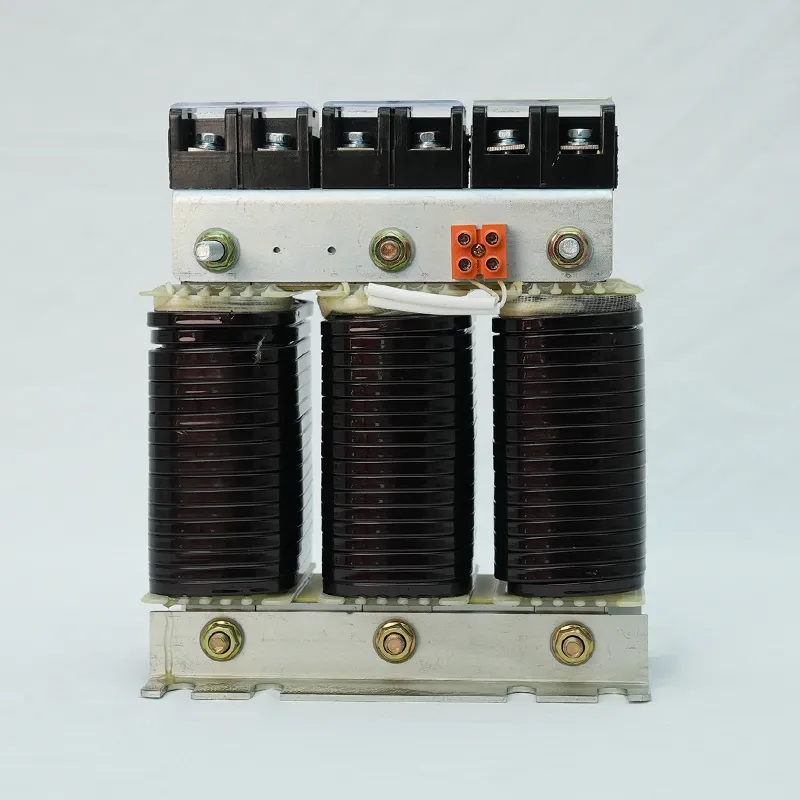
| Отправить с котировкой или на рассмотрение | Зачем это нужно | Избегать |
|---|---|---|
| один лист и инвентарный список оборудования | определяет топологию | используя только табличку с названием |
| файлы с измерениями и руководства по эксплуатации | позволяет проверять сценарии | использование одного короткого захвата |
| цель исследования и границы приемлемости | сохраняет рамки запроса | заявляя о гарантированном результате |
Контрольная граница: эта статья помогает подготовить исходные данные для исследования. В ней не указывается оборудование, не утверждается переключение и не делается вывод о соответствии требованиям. Отправьте документы, подтверждающие результаты исследования для обсуждения предметных вопросов.
Часто задаваемые вопросы
Какова разница между детонированными и настроенными конденсаторными сборками?
В них предусмотрены различные вопросы исследования и предположения; в протоколе проекта должны быть указаны точная сеть и цель исследования.
Какие данные следует включать в исследование?
Включите топологию, установленное оборудование, представленные измерения, рабочее состояние и решение, которое должна обосновывать данная работа.
Может ли табличка с названием выбрать точку настройки?
Нет. На этикетке указаны сведения об оборудовании, а не общая схема проекта или выводы исследования.
Почему нужны операционные сценарии?
В них показано, как доказательства связаны с условиями источника, нагрузки и этапа процесса, а не с одним удобным моментом.
Доказывает ли страница реактора целесообразность проекта?
Нет. Он предоставляет только контекст продукта; для документирования необходимости соответствия проекта необходимы достоверные данные и ответственный анализ.
Когда требуется инженерная проверка?
Используйте квалифицированный процесс анализа проекта для внесения изменений в реальном времени, вопросов защиты, выводов исследования, решений о принятии или неопределенных электрических границ.