


Периодические переключения и наблюдения за гармониками становятся полезными только тогда, когда их можно соотнести с одной и той же частью электрической системы. Поэтому интеллектуальный составной журнал переключений рядом с активным фильтром гармоник (APF) должен сохранять действие контроллера, состояние ступеней, границу измерения и рабочее состояние, а не рассматриваться как самостоятельный результат.
Для контекста планирования начните с руководства по компенсации реактивной мощности. На этой странице описывается метод анализа записей; он не ставит диагноз растению, не подтверждает влияние устройства и не гарантирует результат в отношении качества электроэнергии.
Прямой ответ
Храните команду составного переключателя, наблюдаемое состояние ступени конденсатора, электрическую границу и гармонический рабочий контекст в одной датированной записи. Используйте эту запись для определения того, что требует проверки; не используйте ее в качестве доказательства того, что активный фильтр гармоник вызвал, устранил или предотвратил какое-либо событие.
Часть 1. Сформулируйте вопрос для проверки перед чтением журнала
Начните с одного проверяемого вопроса, например, подавалась ли команда на включение определенной ступени конденсаторов при определенном режиме работы или изменилась ли последовательность после изменения настроек контроллера. Расплывчатая просьба “проверить переключатель и активный фильтр” не дает рецензенту возможности определить, какие сигналы, временной интервал или сравнение имеют значение.
Напишите вопрос с указанием места и временной основы. Например, проект может потребовать сравнения записи фидера во время повторяющегося состояния процесса или проверки того, совпал ли управляемый переход этапа с изменением источника. Вопрос не является критерием приемки APF, если только метод приемки не был согласован отдельно.
| Вопрос для обзора | Граница записи | Доказательства, которые на это отвечают |
|---|---|---|
| Получил ли именованный этап команду? | Выходной сигнал контроллера и определенный этап | Командное событие, индикация состояния и опорный сигнал тактовой частоты |
| Произошел ли переход в сопоставимом состоянии нагрузки? | Выбранный фидер или шина | Журнал работы, данные электрического захвата и примечание по топологии |
| Изменилась ли серия записей после пересмотра настроек? | Область видимости элемента управления с тем же именем | Дата пересмотра, прежние и новые настройки, а также отдельные группы событий |
Опубликованные основы интеллектуальных составных коммутаторов статья объясняет категорию компонентов. Эта страница находится ближе к концу пути принятия решений: в ней систематизируются свидетельства в контексте реально возникающего системного вопроса.
Часть 2. Обозначьте электрическую границу и устройства в зоне ответственности
В отличие от экрана контроллера, граница записи указывает, что включает в себя наблюдение. Отметьте расположение счетчика, ориентацию ТТ, источник опорного напряжения, название шины или фидера, точку подключения ступени конденсатора, точку подключения АРФ и любые схемы реактора или байпаса на однолинейной схеме. Команда ступени в одной точке не может автоматически описывать ток или напряжение в другой точке.
Назовите роли устройств, не предполагая, что они управляют друг другом. Составной выключатель может быть частью последовательности ступеней конденсаторов, в то время как APF является отдельным пунктом в объеме проекта. Их метки времени могут быть полезны вместе, но сама по себе метка времени не устанавливает причинно-следственную связь.
| Предмет для опознания | Зачем это нужно записи | Чего не следует делать вывод |
|---|---|---|
| Счетчик, ТТ и источник опорного напряжения | Показывает электрические величины, включенные в запись | Что у другого фидера такой же состав нагрузки |
| Точка подключения конденсаторной ступени | Определяет рассматриваемый этап | Что каждая ступень конденсатора идентична |
| Точка подключения APF и источник состояния | Обеспечивает прослеживаемость записей APF | Это состояние APF доказывает причину коммутации |
| Расположение реактора, байпаса или источника | Раскрывает контекст схемы | Что топология осталась неизменной между событиями |
Важно: Гармоники в сети питания могут увеличивать ток через конденсаторы. Поэтому спектр гармоник и конфигурация реакторов должны быть указаны рядом с журналом коммутаций, а не исключаться при выгрузке данных с контроллера.Руководство поэлектрооборудованию компании Schneider Electric)
Часть 3. Храните команду, состояние этапа и часы в единой хронологии
Если подана команда на перемещение механизма, сохраняйте как саму команду, так и доступную информацию о том, что произошло после. Логика контроллера, состояние обратной связи, состояние аварийной сигнализации и экспорт электрических событий — это разные записи; ни одна из них не должна молча заменять другую. Хронология делает эти различия очевидными для следующего проверяющего.
Разместите источник тактового сигнала рядом с каждым экспортом. Если часы устройств не синхронизированы, укажите известную погрешность вместо того, чтобы приводить записи к ложной последовательности. Также отметьте смещение, технологические условия, работающие приводы, выпрямители, нагрузки ИБП, переключение источников, техническое обслуживание и любые действия по ручному управлению, которые могут привести к расхождению событий.
| Поле хронологии | Сохранить вместе с событием | Стоимость просмотра |
|---|---|---|
| Запись команды | Идентификатор этапа, направление команды и метка времени | Отделяет запрашиваемое действие от наблюдаемого состояния |
| Указание состояния | Доступное состояние обратной связи или тревоги и метка времени | Показывает, что контроллер сообщил после этого |
| Электрическая стимуляция сердца | Конфигурация счетчика и окно захвата | Связывает событие с определенным методом измерения |
| Инструкция по эксплуатации | Процесс, основные нагрузки и состояние топологии | Предотвращает превращение календарного времени в единственное правило сравнения |
Справочные материалы по интеллектуальному управлению батареями конденсаторов показывают, почему информация контроллера и информация измеряемой системы должны оставаться вместе. Этот контекст не является доказательством того, что на каком-то конкретном объекте используется тот же метод управления.
Часть 4. Сравнение записей о коммутации с гармоническим рабочим контекстом
Сравнивайте записи по совпадению рабочего состояния, а не по двум удобным датам. Группируйте замеры по схожим технологическим условиям, схеме питания, активным нелинейным нагрузкам, конфигурации ступеней конденсаторов и настройкам приборов учета. В противном случае мнимое изменение может описывать другое рабочее состояние, а не изменение, связанное с коммутацией.
Гармонический контекст важен для сравнения, даже когда статья посвящена переключателю. В руководстве Schneider поясняется, что гармоники могут увеличивать ток конденсатора; его рекомендации зависят от системы, поэтому в данной статье не указываются реактор, точка настройки или номинал оборудования. Полезное действие здесь заключается в том, чтобы раскрыть, что показывают записи и что не было измерено.
| Проверка сравнения | Сопоставить или раскрыть | Решение, которое остается открытым |
|---|---|---|
| Измерительная установка | Граница, ТТ (трансформаторы тока), опорное напряжение, агрегация и временная база | Технически ли сопоставимы эти два периода |
| Условия эксплуатации | Состояние процесса, активные группы нагрузки, конфигурация источника | Объясняет ли изменение нагрузки наблюдение |
| Гармоническое свидетельство | Тип экспорта, окно событий и соответствующая топология | Требуется ли исследование по снижению воздействия |
| Переключение конфигурации | Идентификатор ступени, ревизия контроллера, примечание о байпасе или реакторе | Требует ли выбор продукта дополнительных проектных вводных данных |
Обсуждение дополнительных границ см. в резонанс при коммутации конденсаторов. Резонансное исследование требует собственного инженерного метода и не должно сводиться к обычному анализу логов.
Часть 5. Храните доказательства APF отдельно от доказательств конденсаторного этапа
Переключение хронологии и доказательства APF отвечают на разные вопросы. Командная строка этапа может документировать последовательность и контекст; записи APF, если они доступны, должны быть помечены собственными критериями цели, точкой подключения, схемой измерений и методом приемки. Объединение этих двух аспектов в единое утверждение “до и после” может создать претензию на результат без контролируемого сравнения.
Земля Согласование активных фильтров гармоник и конденсаторных установок Руководство предоставляет сопутствующий контекст планирования. Оно не превращает одну записанную последовательность в доказательство подавления гармоник, достижения требуемого коэффициента мощности, совместимости оборудования или приемки установки в эксплуатацию.
Используйте отдельные метки в каждом отчете:
- Наблюдаемая запись: то, что было приказано, измерено или указано в определенное время и на определенной границе.
- Рабочая гипотеза: вопрос для последующего обсуждения, подкрепленный сопоставимыми записями, а не единичным событием.
- Решение по проекту: решение, требующее предоставления чертежей, учета условий на объекте, документации на продукцию, проверки средств защиты и согласованных критериев приемки.
Ан Контекст продукта AHF страница может стать актуальной после определения целевого показателя гармонического тока. Ее не следует выбирать только на основании журнала срабатывания составного переключателя.
Часть 6. Сформируйте пакет записей о согласованиях для рассмотрения продукта
Упакуйте оригинальные данные экспорта с достаточным контекстом, чтобы рецензент мог восстановить вопрос. Для запроса коммерческого предложения (RFQ) или обзора продукта пакет должен показывать взаимосвязь между устройствами и записями, не делая специфических для объекта выводов, которые не подтверждаются доказательствами.
| Отправить на проверку | Что может установить рецензент | Распространенный пробел, которого следует избегать |
|---|---|---|
| Однолинейная схема и описание номинальных параметров системы | Electrical boundary and device locations | Calling a local meter a whole-system record |
| APF and capacitor-stage locations | Which equipment is in scope | Assuming physical proximity proves coordination |
| CT and voltage-reference position | Measurement inclusion and polarity context | Exporting data without the measurement setup |
| Command, state, and alarm exports | Sequence seen by the controller | Treating a command as confirmed physical operation |
| Harmonic records and operating log | Conditions surrounding the observation | Comparing unlike shifts or load states |
| Reactor, protection, installation, and acceptance notes | Project constraints and review boundary | Requesting a product recommendation with no acceptance method |
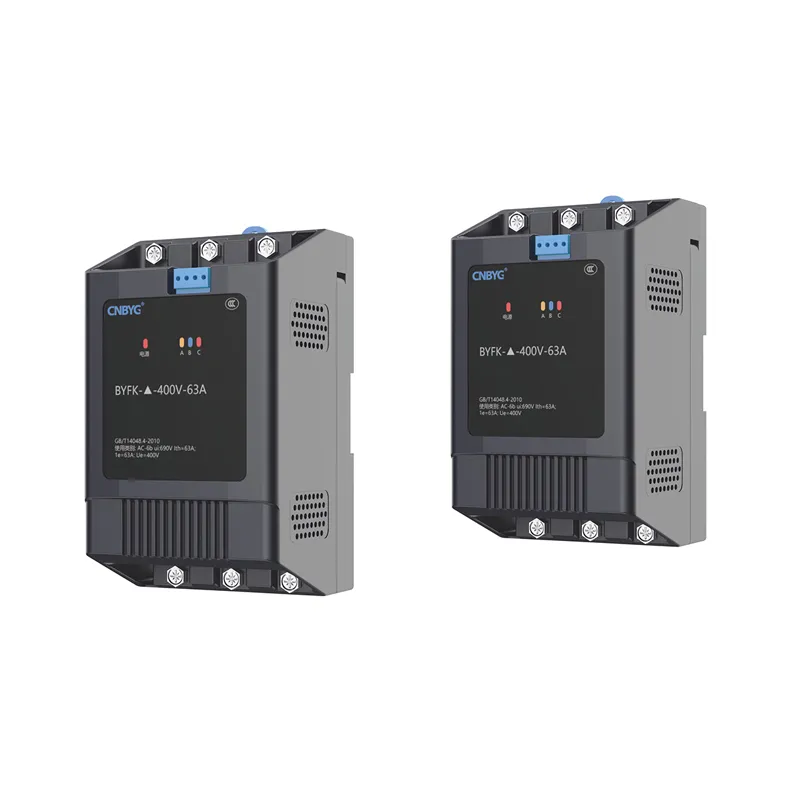
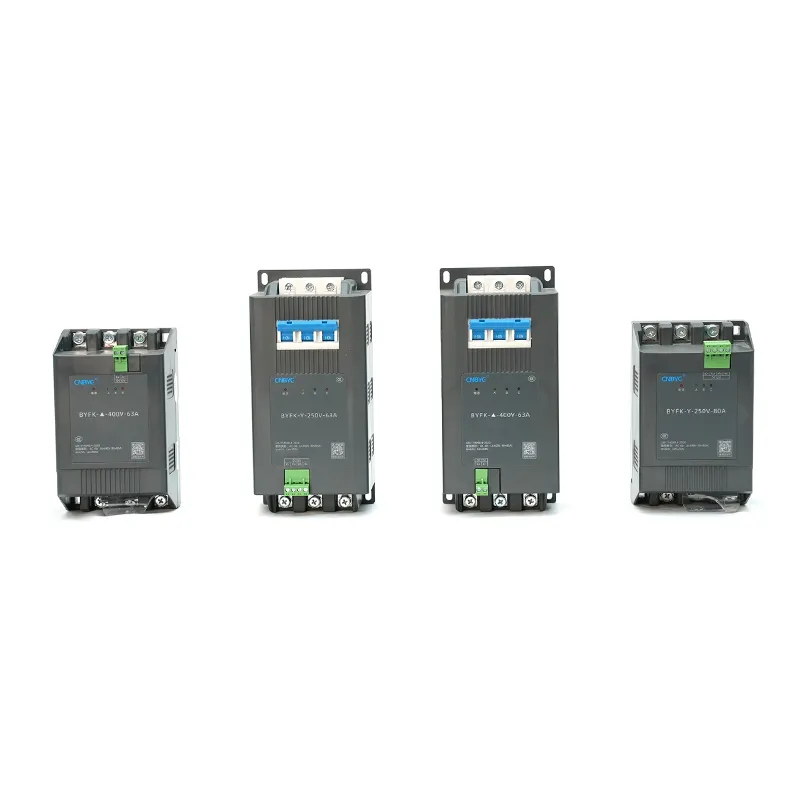
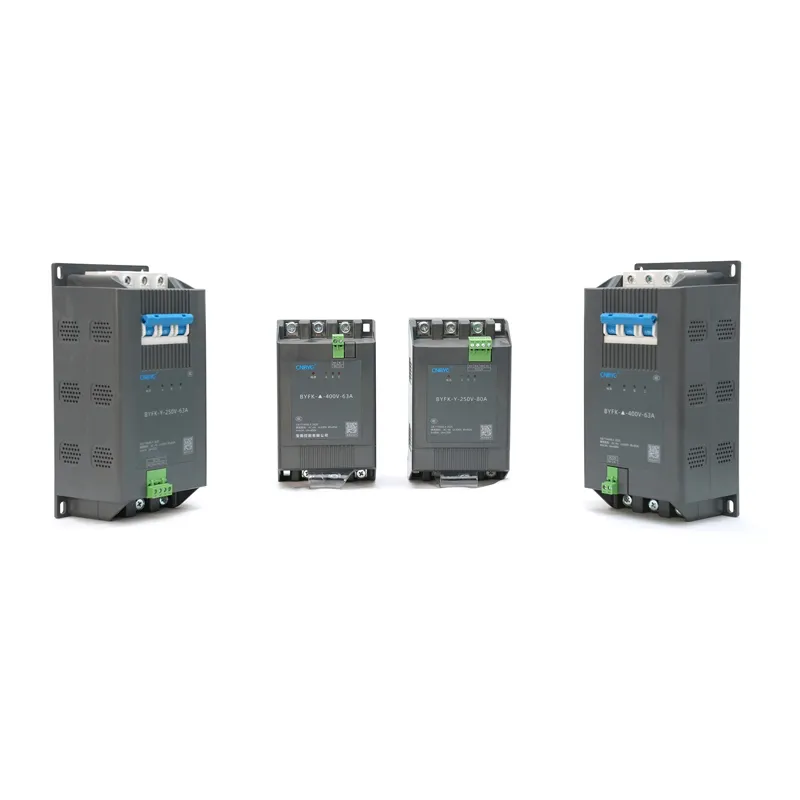
When the record package defines the problem, use the BYFK composite-switch product context as a product-line starting point. Send a coordination record package when the exact circuit, records, and project constraints are ready for review.
Часто задаваемые вопросы
What is an intelligent compound switch record?
It is a dated record of a defined switching-control event together with the electrical location, controller command, available stage state, and operating context. It is more useful than a screen image because another reviewer can see what the record includes.
Does a command timestamp prove that a capacitor stage operated?
No. A command identifies what the controller requested. Keep available feedback, alarm information, and a separately documented electrical capture so the report distinguishes requested action from observed evidence.
Why should APF and compound-switch records be kept separately?
They may be reviewed together, but they answer different questions. A switching sequence is not a controlled APF performance comparison and cannot establish mitigation, compatibility, or an acceptance result on its own.
What harmonic information belongs with a switching log?
Retain the measurement boundary, meter setup, event window, operating state, and the circuit arrangement known at the time, including any reactor or bypass note. This lets a reviewer see whether unlike conditions are being compared.
Can a logged event identify the cause of resonance?
No. It can identify an observation and preserve the conditions around it. A resonance or root-cause conclusion needs an appropriate study and project-specific electrical review.
What should be sent for a compound-switch product review?
Provide the one-line diagram, nominal system details, stage and APF locations, measurement setup, controller exports, event times, operating log, topology notes, protection information, installation constraints, and the proposed acceptance scope.