

Environmental and thermal integration inputs for svg enclosures should begin with a documented electrical boundary, representative operating record, and a defined decision. Показание прибора, заводская табличка компонента или отдельное событие переключения сами по себе не определяют причину, необходимое оборудование или критерии приемки.
Прямой ответ
Environmental and thermal integration inputs for svg enclosures should begin with a documented electrical boundary, representative operating record, and a defined decision. A meter reading, a component nameplate, or a single switching event does not by itself establish the cause, the required equipment, or the acceptance criteria.
CNBYG can discuss SVG Static Var Generators product-line context when the recorded evidence supports a defined objective. It cannot establish This covers project environmental inputs, not unverified IP ratings, site certification, corrosion-life claims, or a substitute for the equipment datasheet. from an article. For broader navigation, see Руководства по системам качества электроэнергии.
Часть 1. Начнем с решающей границы
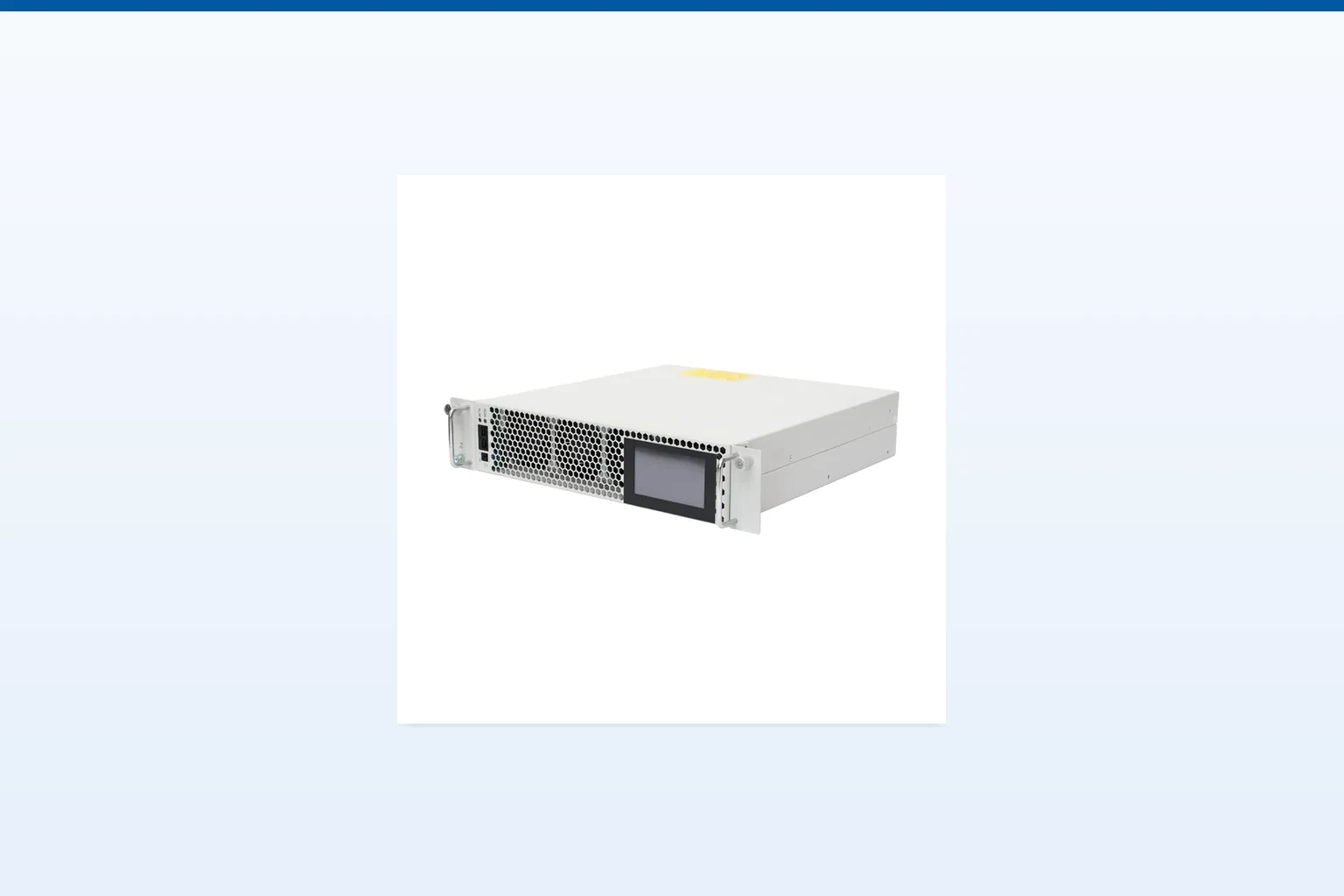
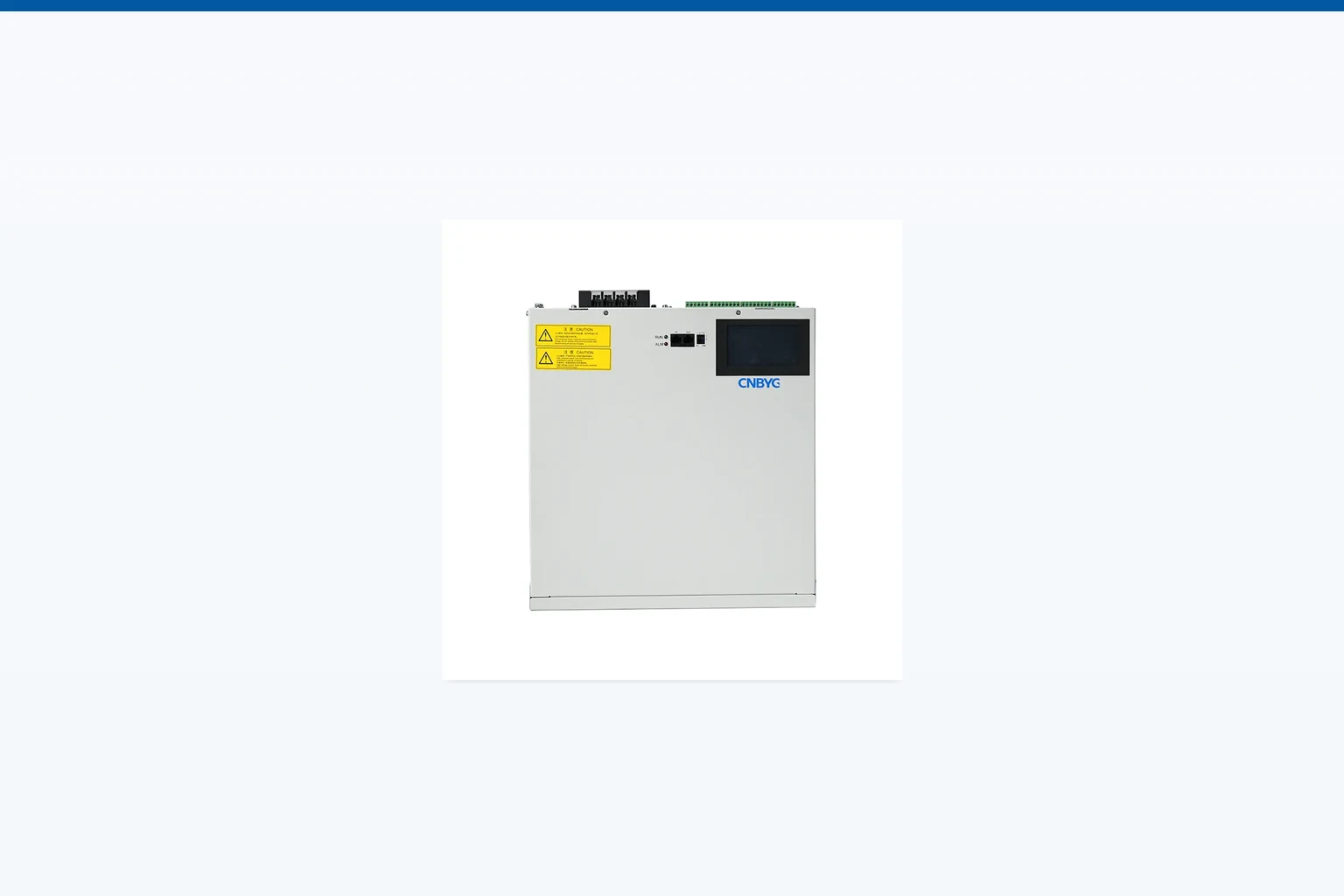
SVG enclosure selection at a harsh industrial site starts with the actual environment around the proposed cabinet, not a generic product label. Ambient temperature range, solar or process heat, dust, humidity, contamination, vibration, clearance, airflow, and maintenance access are project inputs that define the thermal and enclosure review.
At the proposed SVG cabinet location and its surrounding installation envelope, a local measurement and a system-boundary result are not interchangeable. The record should state meter location, voltage reference, CT orientation, ratio, time aggregation, operating state, and concurrent loads. Without those details, a reading can be useful for troubleshooting but unsuitable for a procurement or acceptance decision.
CNBYG can discuss its SVG Static Var Generators product line when the project objective is defined. It cannot establish This covers project environmental inputs, not unverified IP ratings, site certification, corrosion-life claims, or a substitute for the equipment datasheet. from an article, a photograph, or a nameplate. The Руководства по системам качества электроэнергии provide wider first-party navigation for a measurement-led review.

Part 2. Build an operating record before changing equipment
For this topic, the log should cover maximum-production heat periods, reduced-load periods, ventilation operating and non-operating states, seasonal extremes, and nearby process events. Document the measurement location and elevation, nearby heat sources, cabinet clearances, airflow path, dust or moisture exposure, and site maintenance constraints. A representative record also identifies major nonlinear loads, existing capacitors, reactors, filters, transformer configuration, protective devices, and any operational change that coincides with the observed condition.
| Вопрос по измерениям | Project input | Решение поддержано |
|---|---|---|
| What occurs at the local connection point? | Current and voltage trends, spectrum, CT position, load state | Source characterization and installation review |
| What occurs at the project boundary? | Bus data, transformer and upstream information, demand trend | System-level target definition |
| Does the condition repeat? | Time-stamped operating log across representative states | RFQ scope and commissioning comparison |
| Что уже подключено? | Single-line, equipment inventory, switching or control data | Обзор взаимодействия и интеграции |
Avoid collecting a single convenient snapshot and treating it as a design basis. A run during low output, a maintenance state, or an isolated load can conceal the interaction present during normal production. Conversely, one exceptional event does not automatically define a continuous requirement.
Part 3. Separate standards context from a device decision
Земля Обзор IEEE 519 provides useful context for harmonic control discussions, but it does not prescribe a default component setting, an installation arrangement, or an acceptance result for every network. The responsible team must define the applicable point, data set, source impedance assumptions, operating cases, and contractual requirement.
Harmonic current, reactive-power behavior, voltage variation, switching transients, protection operation, and thermal conditions may coexist without having one cause or remedy. Keep each question connected to its own evidence. This prevents a component from being selected to solve a condition that has not been tied to the documented boundary.
Земля NEMA MG 1 reference is relevant as general motor-system context, not as proof of compatibility or outcome at this site. Project documents and qualified engineering review remain necessary for a specific installation.
Part 4. Compare integration paths without defaulting to a product
An appropriate path follows the stated objective and the measured record. Existing equipment may already influence the result; changing one element without considering the bus, transformer, controls, protection, and operating schedule can create an incomplete scope.
| Категория опций | Может быть рассмотрено, когда | Must be confirmed |
|---|---|---|
| Генераторы статичных переменных SVG | dynamic reactive-power behavior is the defined objective and the environmental and installation inputs are confirmed | Connection point, capacity basis, controls, heat, protection, and acceptance method |
| Пассивные компоненты | A network study identifies a fixed or tuned function | Resonance, switching duty, network data, component ratings, and physical installation |
| Оперативное или вышестоящее изменение | Source configuration or schedule is material | Owner responsibility, utility coordination, and implementation path |
| Further measurement | The source or boundary remains uncertain | Meter plan, operating states, duration, and comparison method |
Для обсуждения продуктовой линейки см. Статические генераторы реактивной мощности CNBYG SVG. The page is not a substitute for the project study. Related reading on this technical guide adds neighboring system context.
Part 5. Prepare the RFQ and commissioning record
An RFQ is clearer when it includes a single-line diagram, nominal voltage and frequency, transformer details, measurement files or representative summaries, load schedule, existing equipment list, proposed connection location, protection information, cable routes, space, cooling or environmental conditions, communication needs, and the decision the owner expects the equipment to support.
Commissioning should compare like with like. Use the agreed meter positions, operating state, CT convention, time window, and acceptance method. Record what major loads were running, which stages or control modes were active, and whether the installation arrangement matches the approved drawing. A changed operating state or different meter position can alter a result without demonstrating an equipment change.
Where the project spans related concerns, this application guide helps frame an adjacent measurement-led discussion. It does not remove the need to document this article’s specific boundary.
Part 6. Apply the fit boundary before requesting equipment
This article is intentionally limited: This covers project environmental inputs, not unverified IP ratings, site certification, corrosion-life claims, or a substitute for the equipment datasheet. The role of the planning record is to make uncertainty visible early enough to set a suitable scope. Regulated, critical, or unusual installations need the responsible owner, system engineer, utility where applicable, and qualified specialists to review the actual project data.
Before asking CNBYG for a product discussion, identify the objective, evidence period, boundary, present equipment, integration constraints, and decision owner. Use the Страница контактов CNBYG to provide the available records. A complete inquiry supports a focused response; it does not replace a study, certification decision, or site commissioning process.
Часто задаваемые вопросы
What site data supports an SVG enclosure thermal review?
Provide ambient and maximum temperatures, humidity or contamination description, altitude where relevant, nearby heat sources, clearances, ventilation path, cable entry needs, vibration exposure, and the proposed cabinet layout.
Can an enclosure rating alone prove harsh-site suitability?
No. An enclosure marking is only one input. Thermal duty, ventilation, contamination, installation method, maintenance access, and the applicable equipment documentation must also be reviewed.
Why do cabinet clearances matter for SVG thermal planning?
Clearance affects air movement, service access, and how heat from adjacent equipment accumulates. Record the real layout rather than assuming an open-room condition.
Достаточно ли одного измерения для выбора оборудования для смягчения последствий?
Usually not. The measurement location, operating condition, duration, topology, and project objective determine whether the record is representative.
Can equipment be selected from connected load alone?
No. A project review needs measured behavior, operating profile, installation topology, existing equipment, and a defined objective.
Does this guide guarantee a compliance or operational outcome?
No. This covers project environmental inputs, not unverified ip ratings, site certification, corrosion-life claims, or a substitute for the equipment datasheet. must be established and verified through the responsible project process.