

Настроенный пассивный фильтр следует рассматривать в рамках определенных границ применения. Эти границы включают топологию, характеристики источника, состояния конденсаторов, нагрузочные режимы, измерения и ответственность за проверку защиты.

Прямой ответ
Перед обсуждением точки настройки или семейства реакторов задокументируйте, куда подключается фильтр, какие существуют рабочие режимы и какие имеются данные, подтверждающие наличие резонанса. Изображение изделия или заводская табличка не могут служить доказательством применимости.
Часть 1. Определение границ приложения
Назовите шину, фидер, схему питания, ступени конденсаторов, точку измерения и лицо, принимающее решения. Обсуждение фильтра без разделения по одной линии может привести к отнесению компонента к неверному электрическому участку.
| Граничный элемент | Запись | Почему это важно |
|---|---|---|
| точка подключения | автобус или подвозящий транспорт и редакция чертежа | устраняет замечания по электрической части |
| исходное расположение | в контексте трансформатора, электросети или генератора | изменяет допущения исследования |
| состояние конденсатора | этапы и режим управления | вопросы для обсуждения взаимодействия |
Часть 2. Выявление резонансных вопросов
Задокументированы ли сопротивление источника, состояние конденсатора и сценарии работы? Руководство по решению проблем с гармониками Schneider Electric предоставляет контекст системы, но не задает значение настройки для неназванной установки.
Важно: Настроенный пассивный фильтр не является универсальной гарантией устранения резонанса. Его применение должно быть рассмотрено с учетом заявленной топологии, условий источника и режимов работы. Технический комитет 77 МЭК страница сохраняется в качестве контекста границы.
Часть 3. Разделение постоянных и переменных нагрузок
Следует отделять повторяющиеся рабочие режимы от случаев, в которых меняются параметры производства, приводов, преобразователей или конденсаторных каскадов. Стабильный режим может послужить основой для целенаправленного исследования; в случае изменяющегося режима требуется больше репрезентативных данных, прежде чем можно будет утвердить границы.
| Условия нагрузки | Доказательство | Пограничный вопрос |
|---|---|---|
| стабильное производство | повторные данные о спектре и мощности | Повторяется ли этот случай? |
| изменение объёмов производства | заметки о событиях и несколько снимков | Какой диапазон необходимо охватить? |
| замена источника питания или конденсатора | коммутация и запись топологии | Граница исследования смещается? |
Часть 4. Предъявление доказательств перед обсуждением настройки
Соберите однолинейные схемы, характерные спектры, графики нагрузок, исходные данные, информацию о конденсаторах и обязанности по защите перед обсуждением продукта. руково-учебное пособие по расстроенному и настроенному входам представляет собой контрольный список связанных доказательств, а не рецепт настройки.
Часть 5. Регистрация несоответствий условиям применимости
Укажите условия, при которых не может быть дана рекомендация: отсутствие исходных данных, неясное состояние конденсатора, нерепрезентативные записи, недокументированные изменения топологии или неопределённый ответственный за защиту. Чётко сформулированные примечания о несоответствии позволяют избежать ошибочного восприятия страницы продукта как разрешения на реализацию проекта.
| Сигнал о несоответствии | Действие |
|---|---|
| только один скриншот | запросить повторные снимки |
| неясная точка подключения | запросить однолинейную схему и ревизию чертежа |
| неизвестное состояние конденсатора | этапы подготовки документа и режим контроля |
| граница отсутствия ответственности | назначить ответственного за техническую проверку |
Часть 6. Подготовьте ограниченный запрос
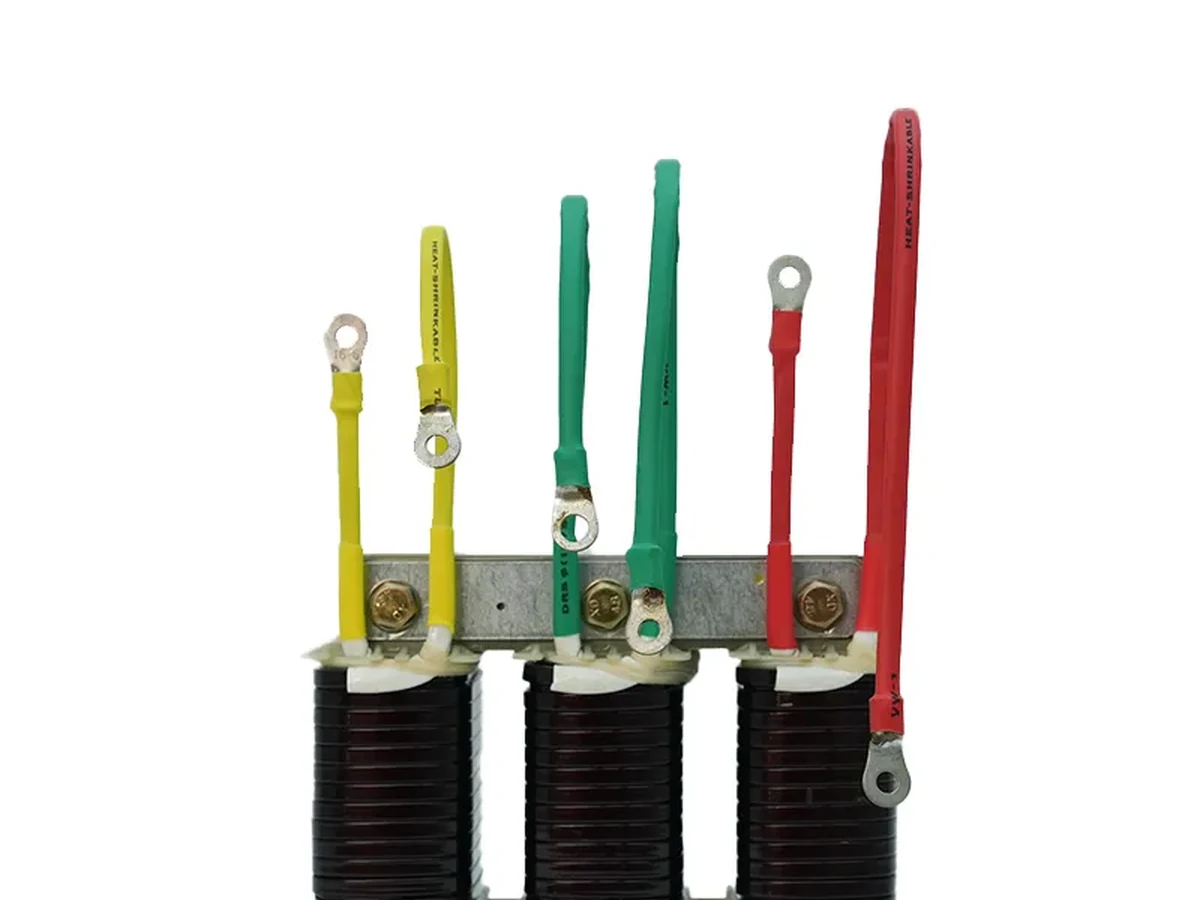
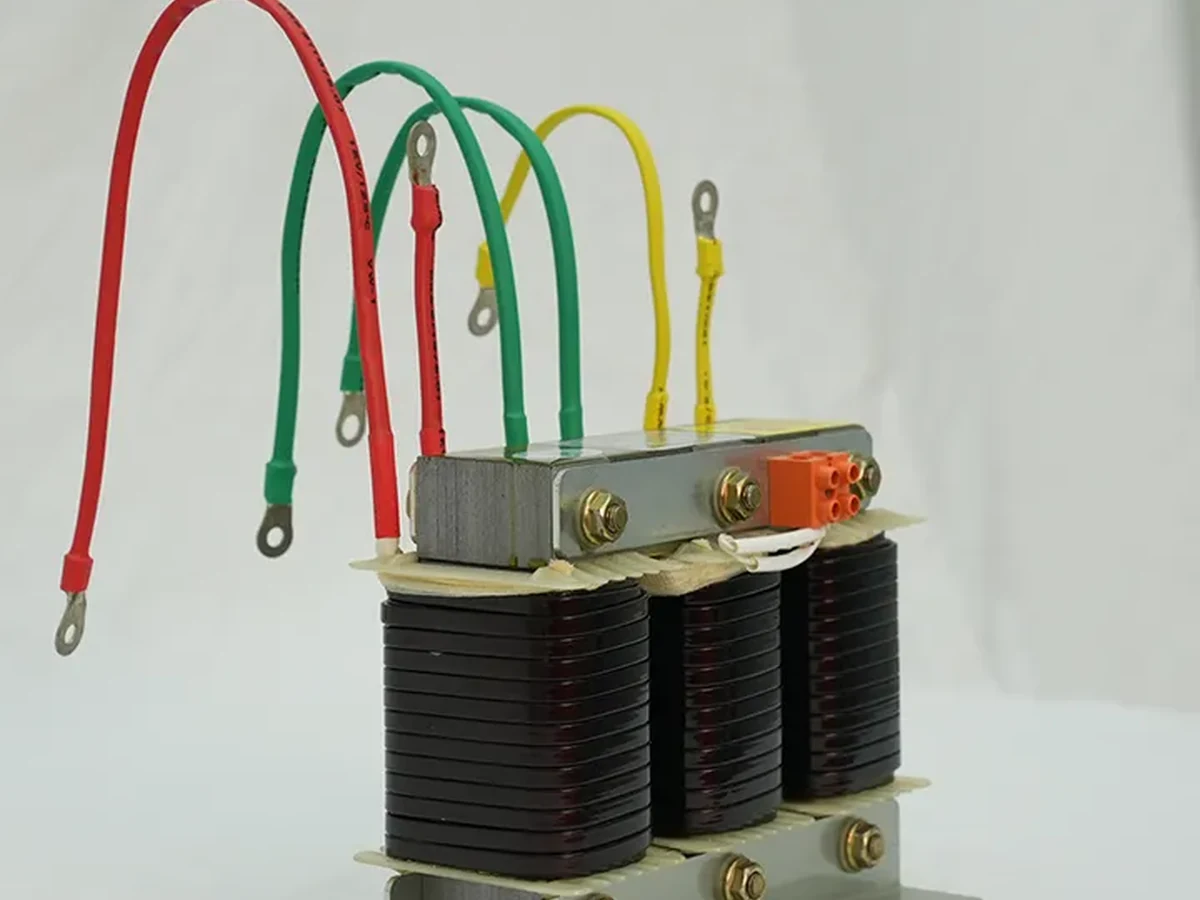
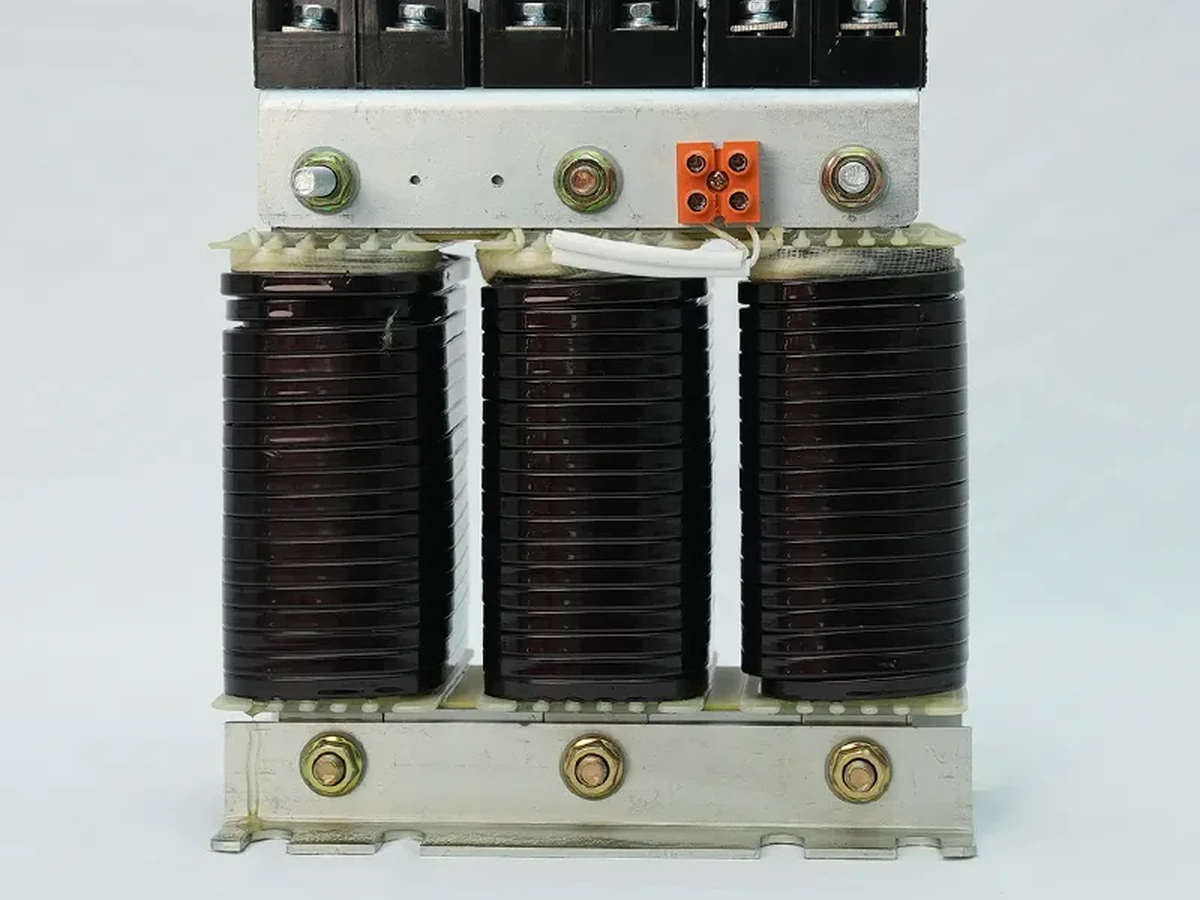
Земля Контекст реактора CNBYG CKSG может быть включено в запрос после документирования границы применения. Общедоступная страница не доказывает точку настройки, результат резонанса или соответствие проекту.
| Отправить с расценкой / Запрос коммерческого предложения | Почему это важно | Избегать |
|---|---|---|
| однолинейная схема и точка подключения | исправляет область видимости | безымянный кабинет |
| записи источников и конденсаторов | раскрывает взаимодействия | обещание настройки |
| повторные случаи эксплуатации | проверяет границу | один снимок |
| ответственность за защиту и пересмотр | разъясняет, кто несет ответственность за принятие решений | молчаливое согласие |
Рекомендация по продукту: использовать CKSG в качестве контекста продукта только после того, как эти входные данные будут собраны. Отправить пакет документов для ограниченного обзора. Данная статья не дает права на переключение, не подтверждает соответствие требованиям и не гарантирует эффективность резонанса.
Часто задаваемые вопросы
Что такое граница приложения?
Это заявленная электрическая область, режимы работы, обоснование и зона ответственности, используемые для оценки вопроса по настроенному пассивному фильтру.
Устраняет ли настроенный фильтр все резонансы?
Нет. Вопросы резонанса зависят от топологии, условий источников, состояний конденсаторов и режимов работы; никаких универсальных гарантий не дается.
Какие системные записи имеют значение?
Сохраните однострочную информацию, исходные данные, сведения о конденсаторах, типичные спектры, график нагрузки и сведения об ответственности за обеспечение защиты.
Зачем разделять постоянные и переменные нагрузки?
Они создают различные потребности в доказательствах. Изменяющаяся нагрузка может потребовать большего количества прецедентов, прежде чем граница станет доступной для пересмотра.
Может ли страница товара подтвердить соответствие?
Нет. Он обеспечивает контекст продукта, а не специфическое для проекта соответствие, настройку, соблюдение требований или приемку.
Что должно входить в запрос предложений?
Включите точку подключения, чертежи, данные об источнике и конденсаторе, режимы работы, измерения, цель и ограничения.
Когда требуется инженерная проверка?
Используйте квалифицированный обзор на предмет резонанса, защиты, коммутации в реальном времени, неясной топологии, решений о приемке или выводов, выходящих за рамки доказательств.