รหัสเตือนและการแก้ไขปัญหาเกี่ยวกับตัวกรองฮาร์มอนิกแบบแอคทีฟ
Active harmonic filter troubleshooting should begin with the exact alarm message, operating state, and installed model documentation. There is no universal AHF alarm-code table: the same number can describe different conditions on different controllers or firmware versions. Preserve the event history, identify which protections are active, and distinguish an external operating condition from an internal equipment fault before resetting anything. A reset that temporarily clears a display does not demonstrate that the cause has been corrected. This guide provides a practical evidence-first workflow without inventing manufacturer codes, thresholds, or repair instructions.
Capture the alarm before it disappears
Record the complete displayed text and code, the event timestamp, the unit identification, and whether the alarm is present, acknowledged, or historical. Save an event export if the controller supports it. Photographing a display can supplement the record, but note when the photograph was taken and whether its clock agrees with the monitoring system.
Identify what the filter was doing immediately before the event. Include plant load, compensation demand, ventilation conditions, capacitor-bank state, transfer switching, and other parallel modules. An event that occurs only during a production change needs a different investigation from an event that remains present with the equipment unloaded.
Do not repeatedly cycle power to obtain a clean screen. That can erase useful sequence information, interrupt compensation, and obscure a recurring condition. If operation is unsafe or protection remains active, follow the site’s isolation procedure and escalate to the responsible electrical engineer. Automatic restart behavior must be evaluated against the installation requirements rather than assumed safe.
Use the correct manual and model boundary
Match the manual to the installed hardware and controller revision. Confirm the product identification from approved records, since a similar front panel is not evidence of identical alarm behavior. The หน้าผลิตภัณฑ์ CNBYG AHF gives the equipment family context; it does not supply a universal service code list for every installation.
For each message, locate the manufacturer’s definition, possible causes, operating consequences, permitted checks, reset conditions, and escalation guidance. Separate an alarm that merely requests attention from a protective trip that blocks compensation. Some messages indicate a missing external permissive or a communication problem rather than failed power electronics.
If the code is absent from the available manual, provide the complete identifier and firmware information to the supplier. Do not translate an unfamiliar code into a guessed diagnosis. A public article can organize the investigation, but the exact service instruction must come from documentation approved for that unit.
Sort events into diagnostic families
| Event family | Evidence worth preserving | First documented investigation |
|---|---|---|
| Supply or voltage condition | Voltage trend, phase configuration, transfer events | Compare the supply with the specified operating range |
| Current or compensation limit | Output demand, phase loading, enabled objectives | Check available healthy capacity and allocation |
| Thermal condition | Ambient history, airflow, fan status where available | Review cooling conditions and documented derating |
| Sensing or phase association | CT ratio, polarity records, phase labels | Compare installation records with the approved diagram |
| Communication or coordination | Module status, controller logs, connection history | Identify which units and links are affected |
| Internal protection | Exact message, recurrence, supplier diagnostic record | Follow the manufacturer’s escalation procedure |
These are categories for collecting evidence, not claimed CNBYG alarm names. The appropriate thresholds and service actions remain model-specific. Do not substitute a generic table for the installed manual, and do not bypass a protective function merely because its likely cause appears familiar.
Separate supply events from filter-generated events
Compare alarm timestamps with the site’s power-quality records. A phase loss, voltage excursion, or transfer operation may cause several unrelated devices to report problems together. That pattern supports investigation of a common supply event, but it does not by itself prove a particular cause or eliminate damage to individual equipment.
Check that the recorded voltage corresponds to the filter’s actual connection point. A meter on another bus can miss a local voltage drop, loose connection, or branch interruption. The analyzer configuration, phase labels, and time reference should be documented so the evidence can be interpreted correctly.
Where supply measurements are needed, use qualified personnel and appropriately rated instruments under the site’s approved procedure. This article does not authorize energized work. Do not approach exposed conductors simply to obtain a screenshot. Review existing monitoring data first, then define any additional measurement with the responsible engineer.
เดอะ หน้ามาตรฐาน IEC 61000-4-30 identifies a reference for power-quality measurement methods. Instrument suitability must be established for the intended measurement; a display that shows voltage does not automatically provide event capture or the required accuracy class.
Review current demand without defeating protection
A current-related event can occur when the demanded compensation exceeds available capability, when one phase carries a disproportionate load, or when configured objectives share a current budget. Record the actual per-phase demand and the state of every intended module rather than comparing a plant total with a single catalogue rating.
Check which compensation functions are enabled and how priorities are assigned. Harmonic compensation, reactive compensation, and imbalance correction may compete for the available current capability on equipment that supports those functions. The exact allocation logic must be confirmed against the model documentation.
cURL Too many subrequests by single Worker invocation. To configure this limit, refer to https://developers.cloudflare.com/workers/wrangler/configuration/#limits cURL Too many subrequests by single Worker invocation. To configure this limit, refer to https://developers.cloudflare.com/workers/wrangler/configuration/#limits cURL Too many subrequests by single Worker invocation. To configure this limit, refer to https://developers.cloudflare.com/workers/wrangler/configuration/#limits คู่มือการทดสอบการติดตั้ง AHF cURL Too many subrequests by single Worker invocation. To configure this limit, refer to https://developers.cloudflare.com/workers/wrangler/configuration/#limits.
cURL Too many subrequests by single Worker invocation. To configure this limit, refer to https://developers.cloudflare.com/workers/wrangler/configuration/#limits
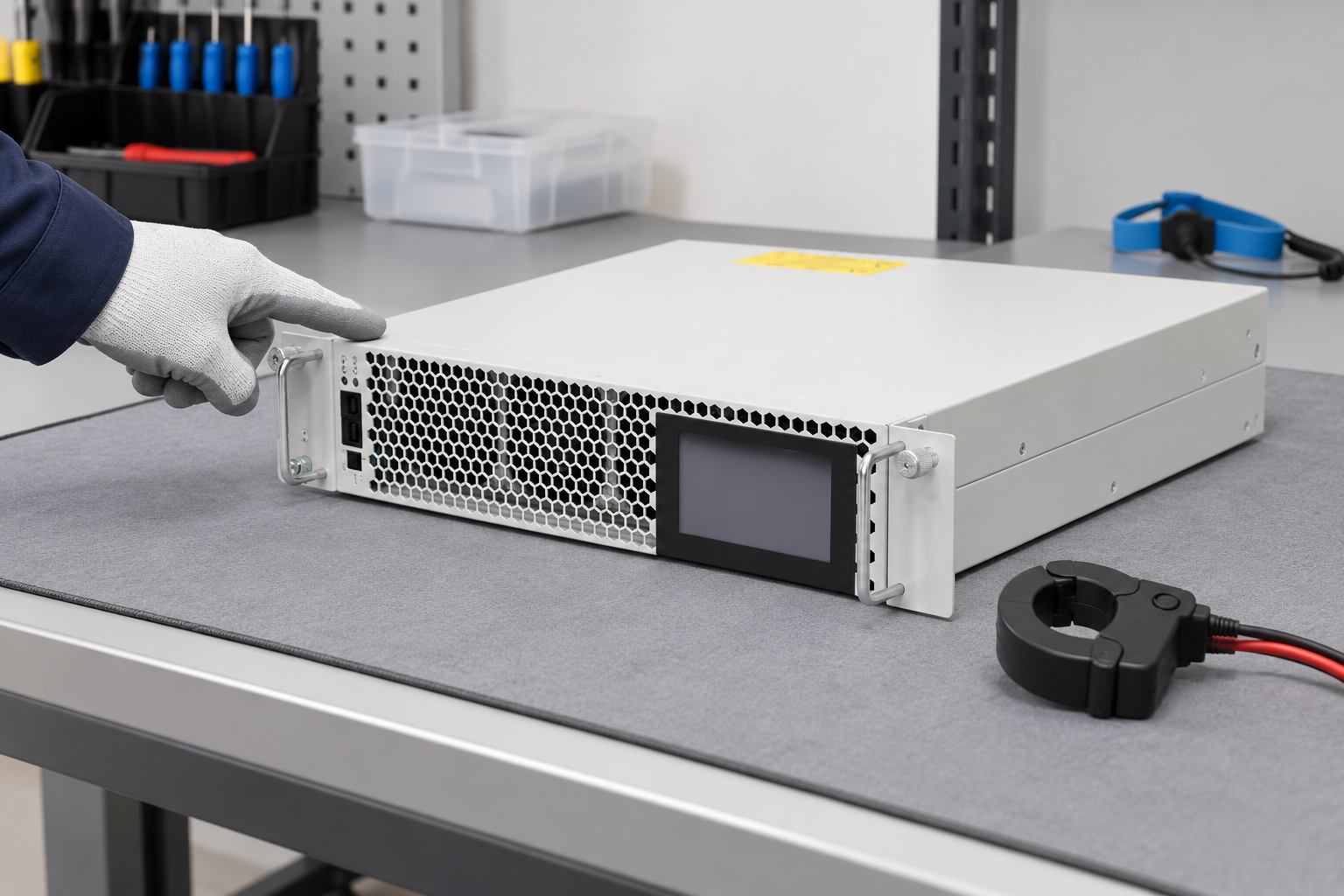
cURL Too many subrequests by single Worker invocation. To configure this limit, refer to https://developers.cloudflare.com/workers/wrangler/configuration/#limits.
cURL Too many subrequests by single Worker invocation. To configure this limit, refer to https://developers.cloudflare.com/workers/wrangler/configuration/#limits.
cURL Too many subrequests by single Worker invocation. To configure this limit, refer to https://developers.cloudflare.com/workers/wrangler/configuration/#limits cURL Too many subrequests by single Worker invocation. To configure this limit, refer to https://developers.cloudflare.com/workers/wrangler/configuration/#limits supports planned preventive work once the immediate alarm investigation is controlled.
Reconcile sensors and communication records
For a sensing-related event, compare CT location, ratio, polarity, and phase association with the approved drawing. Never open a CT secondary while its primary carries current. Use the installed CT documentation and approved shorting arrangements for any necessary sensor intervention.
For a communication event, distinguish loss of the monitoring interface from loss of coordination that affects compensation. A disconnected display or supervisory link does not always mean the power stage is stopped, and a normal local display does not prove all parallel modules are sharing correctly.
Record which devices remain online and when the communication state changed. Check documented configuration and maintenance history before changing addresses or replacing cables. Avoid universal wiring instructions: interface types, termination, shielding, and isolation requirements depend on the equipment and network design.
Set a controlled reset and verification plan
A reset should follow a documented review of the cause and permitted restart conditions. Identify who authorizes it, what measurements will be retained, which loads will be operating, and what constitutes a safe stop if the event returns. A reset is a test action, not an acceptance criterion.
After a permitted restart, observe the equipment through the operating condition that originally triggered the event. Confirm protection status, compensation output, cooling behavior, and any parallel-unit coordination. Save both successful and unsuccessful intervals. An alarm that disappears during an idle period may recur when production resumes.
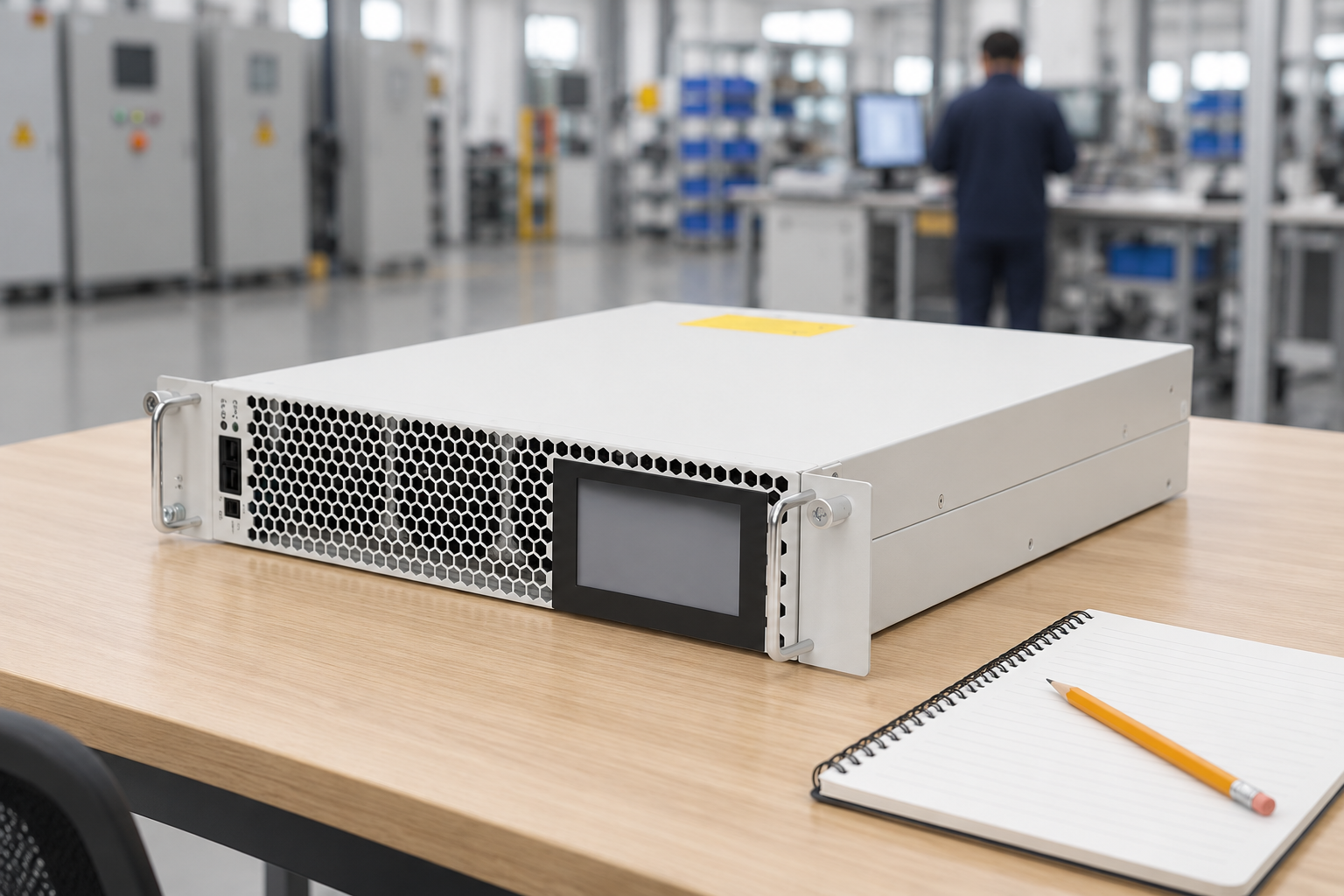
Record the corrective action in plain, reproducible terms: a verified setting correction, restored ventilation, repaired external connection, or supplier-confirmed component service. Include before-and-after configuration files where available. Avoid describing a repeated reset as a repair unless the underlying cause has been established and corrected.
Prepare an escalation package that can be acted on
Provide the exact model, serial identifier in a private service record, controller revision, complete alarm sequence, and the relevant installation drawing. Include representative voltage and current records, operating load, module status, environmental observations, and changes made before the fault appeared. Remove sensitive site information from any public report.
Explain whether the filter is stopped, current-limited, operating intermittently, or merely reporting a historical event. State which checks were completed and which remain unverified. This helps the supplier distinguish a documentation question, an installation condition, and a potential hardware service issue.
Harmonic acceptance remains a separate task from clearing alarms. The ข้อมูลมาตรฐาน IEEE 519 describes harmonic-control scope at the relevant system boundary. A filter with no active alarm can still be incorrectly selected or measured, and a clean display does not establish system compliance.
การเรียนรู้เพิ่มเติม: มาตรฐานและกระบวนการติดตามผล
The NPTEL IIT Delhi lesson below explains how standards and monitoring support interpretation of electrical events. It is an educational supplement, not a substitute for the installed AHF service manual or a guide to bypassing protections.
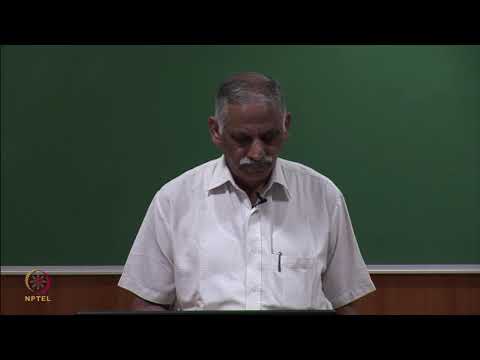
ดูข้อมูลคุณภาพกำลังไฟฟ้า: มาตรฐานและวิธีการตรวจสอบ
คำถามที่มักถูกถาม
รหัสเตือน AHF มาตรฐานเดียวกันทั่วผู้ผลิตหรือไม่?
No universal code list should be assumed. Match the exact hardware and controller revision with its approved manual. If a code is missing, preserve the complete message and request the correct documentation from the supplier.
ฉันสามารถรีเซ็ตสัญญาณเตือนเพื่อดูว่ามันกลับมาหรือไม่?
เฉพาะเมื่อกระบวนการของผู้ผลิตและวิศวกรผู้รับผิดชอบอนุญาตให้ทำการรีสตาร์ทอย่างควบคุมได้เท่านั้น ให้บันทึกเหตุการณ์ก่อนหน้า ยืนยันสภาพปลอดภัย และกำหนดเกณฑ์การสังเกตและหยุด การรีเซ็ตซ้ำ ๆ อาจซ่อนหลักฐานโดยไม่แก้ไขสาเหตุ.
สัญญาณเตือนความร้อนพิสูจน์ได้หรือว่าฟิลเตอร์มีขนาดไม่เพียงพอ?
No. Cooling obstruction, ambient conditions, contamination, operating demand, and documented derating can all matter. Review those records and healthy available capacity before making a selection decision or replacing equipment.
Is an alarm-free filter automatically performing correctly?
No. Confirm the agreed measurement boundary, sensing arrangement, enabled functions, and representative harmonic performance separately. A normal display is only one part of the verification record.