400 V Sistemleri için Kapasitör Gerilim Derecelendirme Seçimi
400 V'lik bir sistem için gerçek hat gerilimi, tolerans, harmonikler, anahtarlama görevi, reaktör düzeni, sıcaklık ve uygulanabilir kapasitör standardından bir kapasitör gerilim değeri seçin. Nominal etiketten yalnızca bir gerilim değeri seçmeyin. Harmonik gerilime, ayarsız reaktör davranışına, geçici dalgalanmalara veya daha yüksek sistem gerilimine maruz kalan bir kapasitör, 400 V isim levhasının önerdiğinden daha fazla elektriksel stres yaşayabilir.
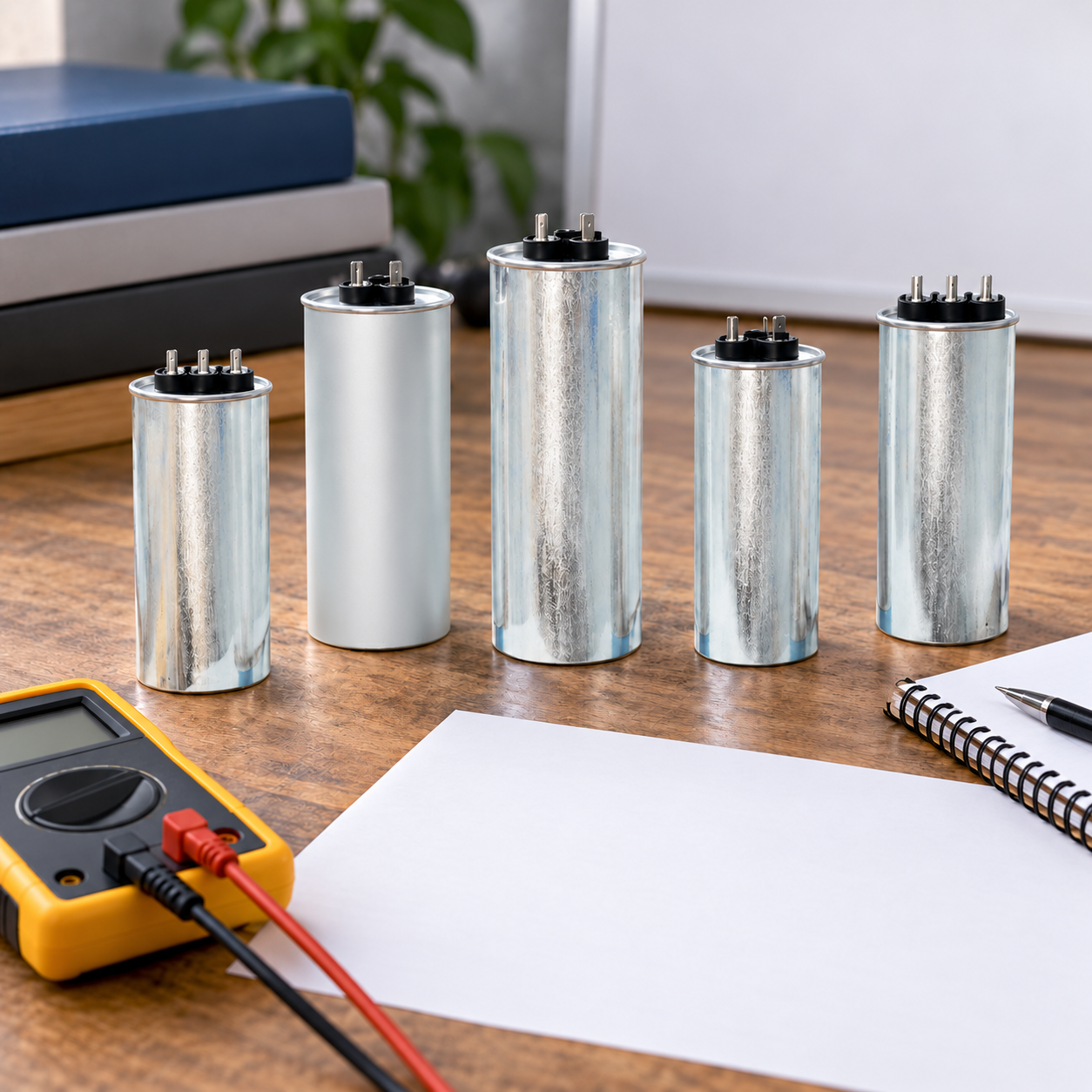
The CNBYG silindirik BSMJ güç kapasitörü ailesi dinamik kompanzasyon için bağlam sağlar, bu makale ise kapasitör bankası gerilim seçimine odaklanmıştır. Son değerleme için kapasitör üreticisinin verilerini, proje gerilimi çalışmasını ve uygulanabilir standardı kullanın.
Değerlendirme ne anlama gelir
Kapasitör gerilim değeri, belirtilen frekans, sıcaklık, görev ve dalga formu koşulları altında bir tasarım sınırıdır. 400 V üç fazlı bir sistem, hatlar arası nominal gerilimi 400 V olabilir, ancak gerçek gerilim tolerans, trafodan alınan ayar, dengesizlik, geçici dalgalanmalar ve harmonik bileşenleri içerir. Kapasitör bankası ayrıca reaktörler, anahtarlama cihazları, sigortalar ve deşarj bileşenleri ile etkileşime girer.
400 V değeri hatlar arası mı, frekans, bağlantı düzeni, beklenen tolerans, kısa devre seviyesi, harmonik spektrum ve ayarsız reaktör tasarımı kaydedin. Bir kapasitörün gerilim değerini, bağlantıyı kontrol etmeden hatlar arası-nötr değeriyle karşılaştırmayın.
Seçim tablosu
| Seçim faktörü | Soru | Kanıt |
|---|---|---|
| Nominal sistem gerilimi | 400 V hatlar arası mı ve bağlantı doğru mu? | Tek hat diyagramı ve trafoların verileri. |
| Gerilim toleransı | En yüksek sürekli gerilim ne kadar olabilir? | Kullanım aralığı, ayar çalışması ve saha ölçümleri. |
| Armonikler | Hangi harmonik gerilim ve akım mevcut? | Ölçülen spektrum ve yük çalışması. |
| Reaktör düzeni | Ayarsız veya ayarlı reaktör takılmış mı? | Reaktör tasarımı, ayarları ve sıcaklık verileri. |
| Anahtarlama görevi | Aşamalar ne sıklıkla değişir ve hangi geçişler meydana gelir? | Kontrolcü ayarları, kontaktör ve giriş akımı tasarımı. |
| Sıcaklık | Hangi ortam ve muhafaza sıcaklığı uygulanır? | Yerleşim, havalandırma ve üretici sınırları. |
| Standartlar | Hangi kapasitör, montaj ve güvenlik referansları uygulanır? | Tedarikçi beyanı ve proje matrisi. |
Nominal voltajdan sadece seçim yapmayın
En yüksek beklenen sürekli voltaj ile başlayın, sadece 400 V değil. Transformatör bağlantı noktası konumlarını, hizmet toleransını ve bankanın hafif yüklü durumda bağlı kalıp kalamayacağını kontrol edin. Daha yüksek voltaj, kapasitör reaktif çıkışını ve elektriksel gerilimi artırır. The kapasitör bankası güvenlik gereksinimleri voltaj değişikliklerinin reaktif akım ekipmanlarını nasıl etkilediğini açıklamaya yardımcı olur, SVG kapasitör bankası seçiminde yerine geçmez.
Bağlantıyı kontrol edin. Bir üçgen bankada, her kapasitör hatlar arası gerilimi görür. Bir yıldız düzenlemesinde, birim gerilim bağlantıya ve nötreye bağlıdır. Çizim, üretici verileri ve koruma tasarımı uyumlu olmalıdır.
Harmonikler ve reaktörler
Güç elektroniği yükleri harmonik akım ve gerilim oluşturabilir. Bir kapasitör, transformatör ve sistem endüktansı ile rezonansa katılabilir, bu nedenle banka harmonik ve rezonans çalışması gerektirir. Ayarlanmış olmayan bir reaktör, kapasitör dalı gerilimini ve termal davranışı değiştirir; ayarı ve sürekli akımı, amaçlanan sisteme uygun olmalıdır.
Temel gerilimi, toplam harmonik gerilimi, harmonik derecelerini, akım, sıcaklık ve aşama durumunu ölçün. The kapasitör bankalarındaki reaktörlerin amacı ilgili bir ölçüm sınır yaklaşımı sağlar. Harmonik güvenliğini tek bir güç faktörü (PF) okumasından çıkarım yapmayın.
Anahtarlama, koruma ve sıcaklık
Kontaktör veya tristör anahtarlama, giriş, boşaltım süresi, sigortalar, devre kesici koordinasyonu, aşırı gerilim koruması ve muhafaza havalandırmasını kontrol edin. Sık sık anahtar yapan bir aşama, temel bir aşamadan farklı termal ve mekanik göreve sahip olabilir. Endüktif talep düştüğünde kondansatörün bağlı kalmaması için minimum yük durumunu dahil edin.
The SVG kurulum gereksinimleri kılavuzu kapağı soğutma ve servis erişimini kapsar. The SVG devreye alma kontrol listesi ve kondansatör bankası bakım kontrol listesi daha geniş bir güç kalitesi kurulumunda ayarları, alarmları ve denetim kanıtlarını nasıl koruyacağınızı gösterir.
Pratik seçim sırası
- 400 V hat-çift hat, frekans ve bağlantıyı doğrulayın.
- Maksimum sürekli gerilimi, toleransı ve tap aralığını kaydedin.
- Dengesizlik, harmonikler, akım, sıcaklık ve geçici durumları ölçün.
- Reaktörler, ayar, kondansatörler, kontaktörler, sigortalar ve boşaltma cihazlarını listeleyin.
- Kondansatör üretici gerilimi, kvar, sıcaklık ve görev sınırlarını kontrol edin.
- Rezonans ve kısa devre çalışmalarını gözden geçirin.
- Verify the stage kvar and voltage at the actual connection.
- Test minimum, normal, peak and switching conditions.
- Record protection, alarms, temperature and as-left settings.
- Recheck after a new VFD, rectifier, transformer or tariff change.
Yaygın hatalar
Do not use a 400 V label without checking tolerance. Do not ignore the connection arrangement. Do not assume a reactor automatically makes every capacitor safe. Do not omit harmonic voltage, switching transients, temperature or discharge. Do not select kvar and voltage separately from the same design study.
Verify the chosen rating at the bank boundary
Use the highest expected continuous line-to-line voltage and the actual capacitor connection when checking stress. Include transformer tap range, utility tolerance, imbalance, harmonic voltage and the voltage rise produced by any series reactor. Confirm the manufacturer’s continuous and short-duration limits at the project ambient and frequency. If the bank operates in stages, check each stage and the worst combination.
Record the measured voltage before switching, during inrush and after the stage settles. Compare current, temperature, harmonic spectrum and stage status with the design values. If the bank is frequently blocked or reaches a temperature alarm, investigate the system conditions instead of simply increasing the voltage rating. A higher rating changes kvar and may change protection, tuning and control behavior.
Review the design after a new rectifier, VFD, UPS, solar inverter or EV charger is added. A new harmonic source can change resonance and capacitor current even when the nominal bus remains 400 V. Keep the one-line, reactor data, protection settings, discharge test and as-left voltage record together so maintenance can repeat the same checks.
Validate kvar, voltage and protection together
Voltage rating cannot be selected independently from kvar. A higher-rated capacitor at the same physical bank can produce a different reactive output, so confirm the stage kvar at the system voltage and frequency. Check the branch current, fuse or breaker, reactor current, discharge device and controller setpoint as one design. If the bank is detuned, use the approved tuning and current limits rather than copying a nominal percentage from another project.
At commissioning, measure each stage before switching, during inrush and after it settles. Record line voltage, capacitor current, reactor temperature, harmonic spectrum, alarms and the stage state. Test a light-load condition to confirm the bank does not remain connected when leading kvar is possible. Test the highest expected load to confirm the stage provides the intended reactive support without exceeding thermal or current limits.
Keep the voltage study with the maintenance record. A tap change, new transformer, VFD, rectifier, solar inverter or EV charger can change the voltage and harmonic environment. Recalculate or remeasure before changing the rating. The safest replacement is not always the one with the largest printed voltage; it is the one that matches the complete system study and manufacturer’s limits.
Record the final selection, rejected alternatives and the reason for the chosen rating.
Include the system voltage range, frequency, connection, reactor tuning, harmonic evidence, temperature, protection and the manufacturer data used. If any value is estimated, mark it as an assumption and schedule a site measurement before final energization.
The maintenance file should also show the stage sequence, discharge check, fuse or breaker settings, thermal inspection points and the conditions that require a new harmonic study. That record is more useful than a replacement label alone because it explains why the selected rating was safe for the complete 400 V installation.
Keep the final inspection signed and dated.
Store the measurement files with the equipment record. If the voltage, harmonic spectrum, transformer tap or connected load changes, reopen the selection rather than treating the old rating as permanently valid. This is especially important when a 400 V board gains more rectifiers, drives, solar inverters or EV chargers.
Keep the rejected options and assumptions beside the final selection so a later replacement does not repeat the study from memory.
This record should travel with the panel drawings.
Keep it available for commissioning and service.
Note the inspection interval.
Record the responsible person.
Keep the signed record.
Attach the final voltage trace.
Record the test instrument.
Keep the calibration record.
Store the final report.
Voltage calculations and applicable evidence
For an ideal series capacitor-reactor branch, define p = X_L/X_C at the fundamental frequency. Neglecting resistance, capacitor fundamental voltage relative to the corresponding branch supply is 1/(1-p). A 7% matched branch therefore gives about 1.075 and a 14% branch about 1.163. These calculated factors are not automatic capacitor ratings: harmonic voltage, tolerances, connection and actual duty still require assessment. OpenStax explains the series AC-circuit relationships.
IEC 60831-1 identifies the relevant self-healing low-voltage shunt capacitor standards family. Obtain product-specific voltage and duty criteria rather than inferring an allowable range from its public catalogue description. OSHA elektrik iş uygulamaları address stored energy and qualified verification in their jurisdiction; the site procedure governs actual bank access.
Sık sorulan sorular
400 V bir kapasitör her zaman 400 V sistemde doğru mu?
Otomatik değil. Maksimum gerilimi, bağlantıyı, harmonikleri, reaktör düzenlemesini, anahtarlamayı, sıcaklığı ve üretici gereksinimlerini kontrol edin.
Neden bir reaktör kondansatör gerilimi stresini değiştirebilir?
The reactor and capacitor form a branch whose voltage and current depend on frequency, tuning and system conditions. Use the approved design and measurements.
Hangi harmonikler kontrol edilmelidir?
Bank sınırında temel ve ilgili harmonik gerilim ve akımı ölçün, ardından uygun tasarım ve üretici limitleriyle karşılaştırın.
Hangi kayıtlar saklanmalıdır?
Keep the one-line, voltage study, harmonic study, capacitor and reactor data, protection settings, temperature, switching tests and as-left inspection.
Sonuç
Capacitor voltage selection for a 400 V system is a system-design decision. Verify voltage tolerance, connection, harmonics, reactors, switching, temperature, protection and standards before choosing the rating. Test the real operating modes and keep the evidence with the bank settings.
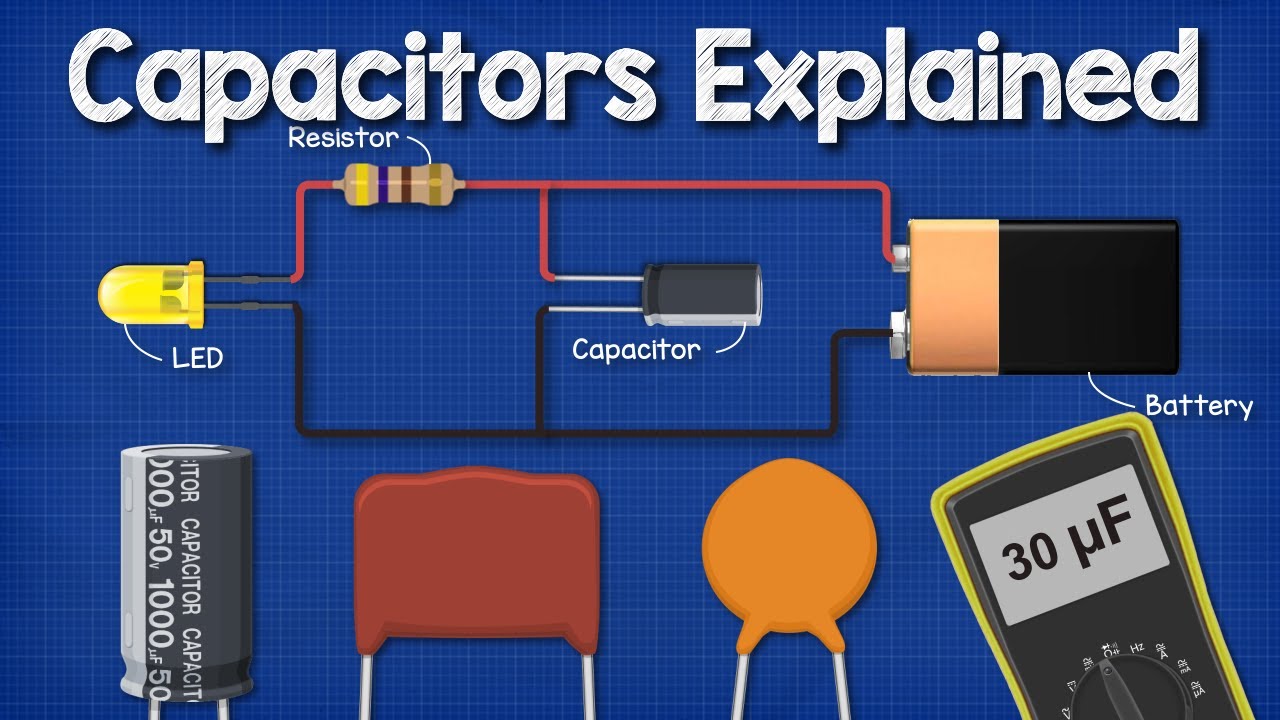
Educational video: capacitor fundamentals
The Engineering Mindset explains capacitor charge storage and basic behaviour. Small-component demonstrations are conceptual background, not an industrial testing or discharge procedure.