

Food plants run mixer and blender VFDs through batch fill, mix, and discharge cycles that create intermittent harmonic current on shared process feeders. Assessing food processing mixer VFD harmonics needs batch-state logs and washdown notes before mitigation scope is written.
Doğrudan cevap
Food plants run mixer and blender VFDs through batch fill, mix, and discharge cycles that create intermittent harmonic current on shared process feeders. Assessing food processing mixer VFD harmonics needs batch-state logs and washdown notes before mitigation scope is written.
Food-safety programs and electrical mitigation RFQs should stay on separate evidence trails. CNBYG can discuss AHF/APF context when measured harmonic current is the objective. It cannot establish food-safety certification, batch yield targets, or a guaranteed harmonic result. Related topics live in the Güç Kalitesi Sistem Mühendisliği Kılavuzları.

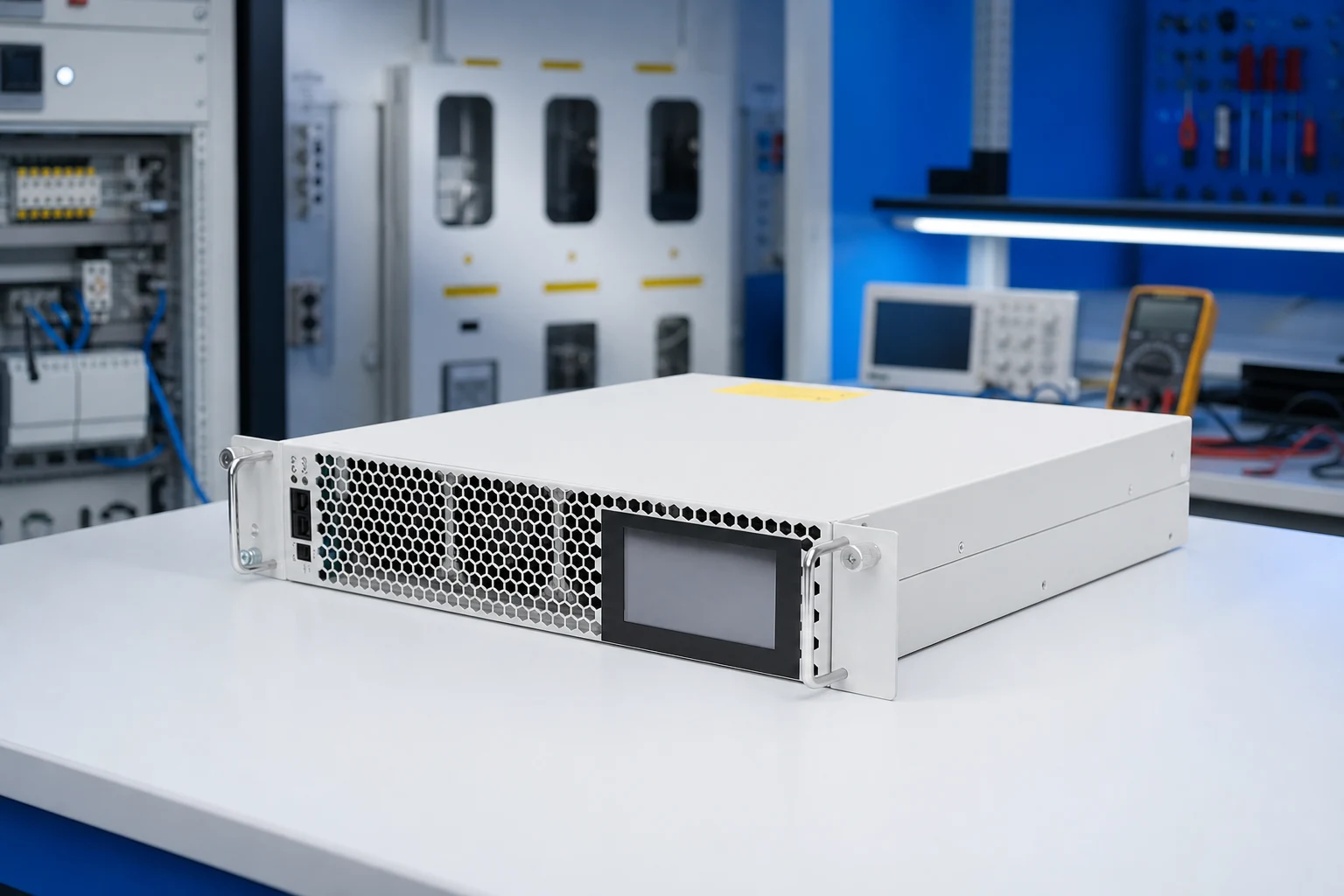
Bound the mixer feeder measurement
Mixer feeders characterize batch duty; the process-bus PCC answers a different question. Record CT details, batch IDs, and whether packaging lines shared the bus.
For batch mixers, blenders, and agitator VFD groups in food plants, log fill, mix, discharge, CIP washdown, and idle between batches. Tag batch size and recipe with each capture, and note whether adjacent packaging lines were running on the same bus.
Bu uygulama için pratik bir RFQ öncesi kayıt normalde şunları içerir:
- Single-line of process and packaging feeders.
- Spectra across fill, mix, discharge, and CIP windows.
- Notes linked to the batch and CIP operating state.
- Compensation inventory in washdown-rated rooms.
- Demand trends over a full production day with sanitation.
| Food-plant log focus | Evidence to attach | Karar destekli |
|---|---|---|
| Activity at the monitored mixer feeder | Mevcut spektrum, RMS eğilimi, yük durumu, AK referansı | Yerel kaynak karakterizasyonu |
| Sistem sınırındaki etkinlik | Gerilim/akım trendleri, trafo ve ana kaynak verileri | Sınır azaltma kapsamı |
| Repeatability across batch and sanitation cycles | Birden çok etiketli çalışma penceresi | Kapasite ve devreye alma planlaması |
| Bağlı ekipman | Tek hat, koruma, kompanzasyon envanteri | Etkileşim ve entegrasyon incelemesi |
Önemli: Do not size APF capacity from mix-only windows without CIP and idle labels (Source: Sürücü (VFD) harmonik ölçümü ve APF seçimi). Sanitation periods change which drives are online.
Keep hygiene KPIs separate from distortion scope
Allergen and hygiene outcomes are not proven by harmonic spectra. Keep process acceptance criteria separate from electrical mitigation acceptance.
The IEEE 519 özeti helps with boundary language; food plants still need washdown and batch-case definitions in the RFQ.
Operators should also record mixer fill level and agitator recipe step beside batch IDs, because those states change torque demand. Keep a short note on CIP chemical stage next to the electrical log so sanitation and electrical teams can reconcile timestamps during RFQ review. Those notes are short, but they keep batch and CIP windows comparable for quotation and commissioning follow-up on site.
Choose mitigation after batch-aware logs
AHF/APF is relevant when harmonic-current reduction at the food-plant process bus or PCC is agreed. SVG may address reactive swings during agitator ramps. Passive options need resonance review in the process room network.
| Azaltım kategorisi | Yararlı olduğu durumlar | Teklif İsteğinden (RFQ) Önce Onayla |
|---|---|---|
| AHF / APF | Harmonic-current reduction at the food-plant process bus or PCC is documented | Spektra, BT planı, termal yol, koruma, kabul testi |
| SVG / ASVG | Hızlı reaktif güç desteği birincil hedeftir | Gerilim profili, mevcut kompanzasyon, kontroller, devreye alma |
| Pasif ayar | Bir sistem çalışması, kararlı bir şekilde ayarlanmış veya ayarı bozulmuş bir işlev göstermektedir | Rezonans incelemesi, geçiş politikası, bakım erişimi |
| Operasyonel değişiklik | Program veya kademeli vardiyalar talebi önemli ölçüde değiştirir | Sahip onayı ve belgelenmiş uygulama |
Assemble a batch-and-CIP RFQ evidence pack
Before suppliers quote, assemble batch-labeled spectra, CIP window tables, CT notes, and a marked-up process single-line. Clarify whether the decision is local mixer troubleshooting, process-bus assessment, or harmonic-current mitigation. Present production and sanitation windows separately.
Require the quote to declare covered orders, washdown enclosure ratings, and acceptance tests. Include headroom for future mixers and list compensation in washdown rooms. Name who labels batch IDs and who signs the acceptance checklist.
Add washdown IP ratings, sanitation outage windows, and a glossary of batch codes so CIP files are not mixed into production demand windows. Include CT polarity checks, sample intervals, and a note describing whether packaging lines shared the process bus during each capture. Record expected spare headroom for future mixers and keep the acceptance checklist owner named before quotation begins.
İncele CNBYG AHF Aktif Harmonik Filtre sayfası with batch and CIP logs attached. The automotive manufacturing guide on Sürücü (VFD) harmonik ölçümü ve APF seçimi shows how multi-feeder coincidence is captured in another plant type.
Installation under washdown constraints
Document IP ratings, stainless or coated enclosures, cable seals, and sanitation outage windows. Acceptance should replay batch and CIP states from the baseline.
The related industrial scenario in APF and SVG selection for automobile manufacturing shows how batch-state logs support comparable commissioning checks.
Food-plant inquiry checklist
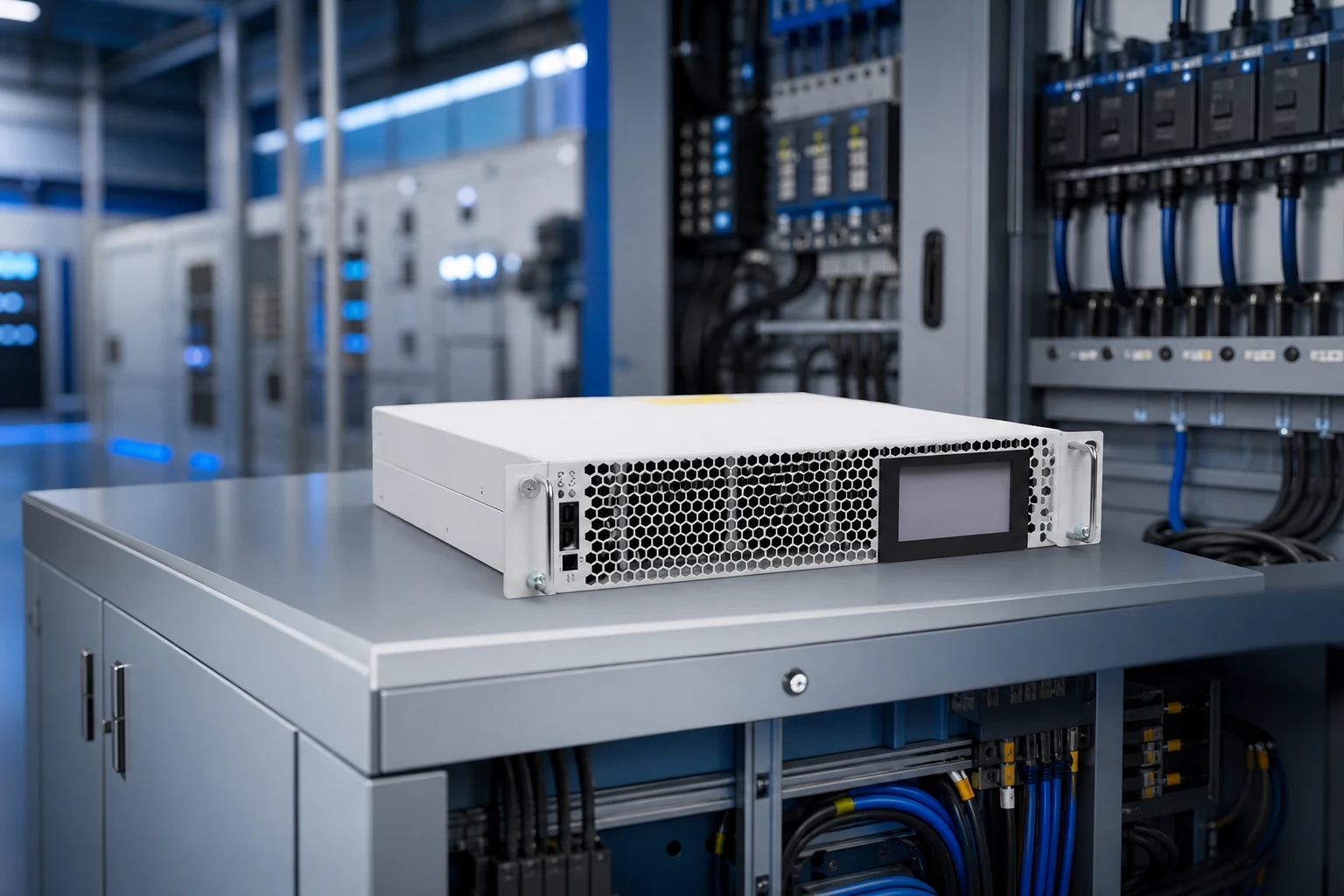
Include single-line data, batch-labeled spectra, mixer inventory, compensation details, and washdown constraints. CNBYG can review fit and must not guarantee food-safety certification, batch yield targets, or a guaranteed harmonic result. Submit through the CNBYG iletişim sayfası.
Sık sorulan sorular
Why include CIP washdown windows in the log?
Washdown and idle states change which drives are online, so RFQ data must separate production batches from sanitation periods.
Should packaging lines be measured with mixers?
Measure the bus where mitigation will apply; add packaging feeders when coincidence on that bus is material to the objective.
Does harmonic mitigation guarantee food-safety outcomes?
No. Hygiene, allergen, and process controls remain separate engineering responsibilities.
Risk azaltma ekipmanını seçmek için tek bir ölçüm yeterli midir?
Usually not in food plants. Batch cycles, CIP windows, and objective definition determine whether the data supports capacity talk.
Can mitigation equipment be sized from mixer nameplate kW alone?
No. Nameplate kW is context; measured spectra and batch logs set the capacity basis.
Bu makale, bir uyum veya operasyonel sonucun elde edileceğini garanti ediyor mu?
No. Food-safety programs, network conditions, and commissioning remain site-specific.