Cement Kiln VFD Harmonics: Operating-State Log Guide
Cement plants combine kiln rotation drives, large ID fans, raw mills, and finish-grinding VFDs on shared buses where harmonic current shifts with production rate and fuel changes. Assessing cement kiln VFD harmonics requires an operating-state log that ties each spectrum capture to kiln speed, fan damper position, and mill loading rather than a single afternoon snapshot.
Trả lời trực tiếp
Cement plants combine kiln rotation drives, large ID fans, raw mills, and finish-grinding VFDs on shared buses where harmonic current shifts with production rate and fuel changes. Assessing cement kiln VFD harmonics requires an operating-state log that ties each spectrum capture to kiln speed, fan damper position, and mill loading rather than a single afternoon snapshot.
Power-quality discussions in cement plants often mix kiln-process concerns with feeder-level distortion readings. CNBYG can review AHF/APF product-line fit when measured harmonic current is the stated objective. This article does not confirm kiln process stability, clinker quality, emission compliance, or a guaranteed harmonic result. Browse related topics in the Hướng dẫn Kỹ thuật Hệ thống Chất lượng Điện.
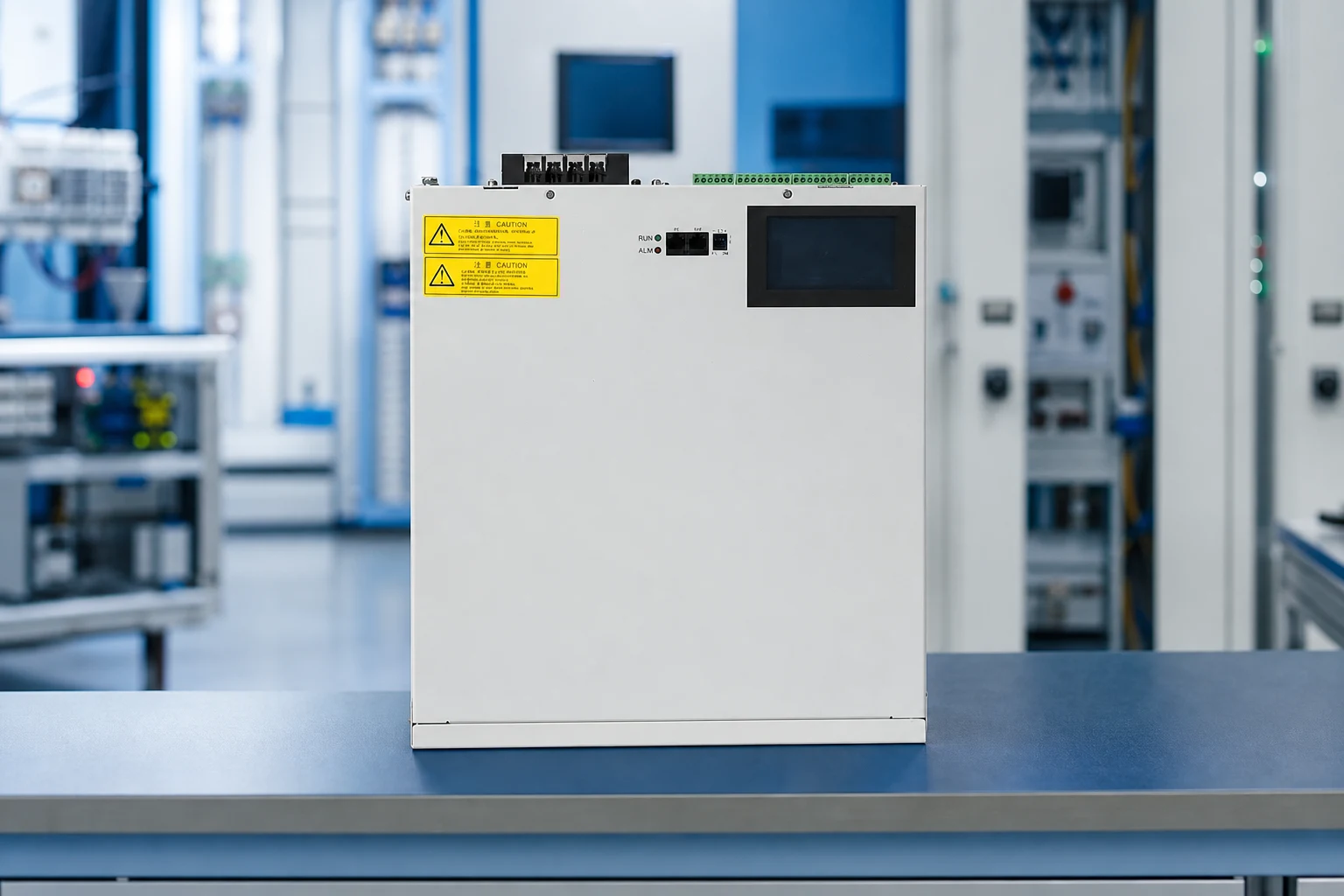
Set the measurement boundary for kiln and fan feeders
Start by naming the bus where the mitigation decision will apply. A logger on a kiln main-drive feeder characterizes that drive group. A logger at the medium-voltage incomer or PCC answers a plant-boundary question. Document CT ratios, polarity, aggregation interval, voltage reference, and which major loads were online during each capture.
For kiln main drives, induced-draft fans, and raw-mill VFD groups in cement plants, build a time-stamped operating log covering kiln ramp and steady operation, ID fan speed changes, raw-mill start and stop, fuel-switch transitions, and planned maintenance derates. Each spectrum export should carry a note describing kiln speed, fan damper position, mill loading, and fuel type for that window. Label fuel type and production rate with each log entry, because kiln operating points change both harmonic current and reactive demand on the same feeders.
A cement-plant RFQ record typically includes:
- Annotated single-line showing every meter position, breaker, and CT location.
- Harmonic spectra and RMS trends captured over full production shifts, not isolated tests.
- Operating notes tied to the kiln and fan operating point for every file in the data set.
- Inventory of existing capacitors, detuned banks, legacy filters, and VFD brands on the shared bus.
- Reactive-power and demand curves spanning at least one representative production cycle.
| Logging focus | Data to attach | Tại sao điều đó quan trọng |
|---|---|---|
| Activity at the monitored kiln or fan feeder | Order-by-order current, load state, CT reference | Isolates kiln, fan, or mill contribution |
| Activity at plant boundary | Voltage/current trends, transformer loading, upstream data | Supports PCC-level mitigation scope |
| Repeatability across production and fuel-change cycles | Nhiều cửa sổ vận hành được dán nhãn | Prevents quoting against atypical fuel or rate changes |
| Thiết bị đã kết nối | Kiểm kê bảo vệ, bù đắp một dòng | Reveals resonance or interaction risks |
Quan trọng: Do not select APF or SVG capacity from a single kiln snapshot without time-stamped operating-state labels (Source: Đo sóng hài biến tần (VFD) và lựa chọn bộ lọc tích cực (APF)). Kiln speed, fan loading, and mill duty change non-linear current together on shared cement-plant buses.
Keep distortion review separate from process and emission questions
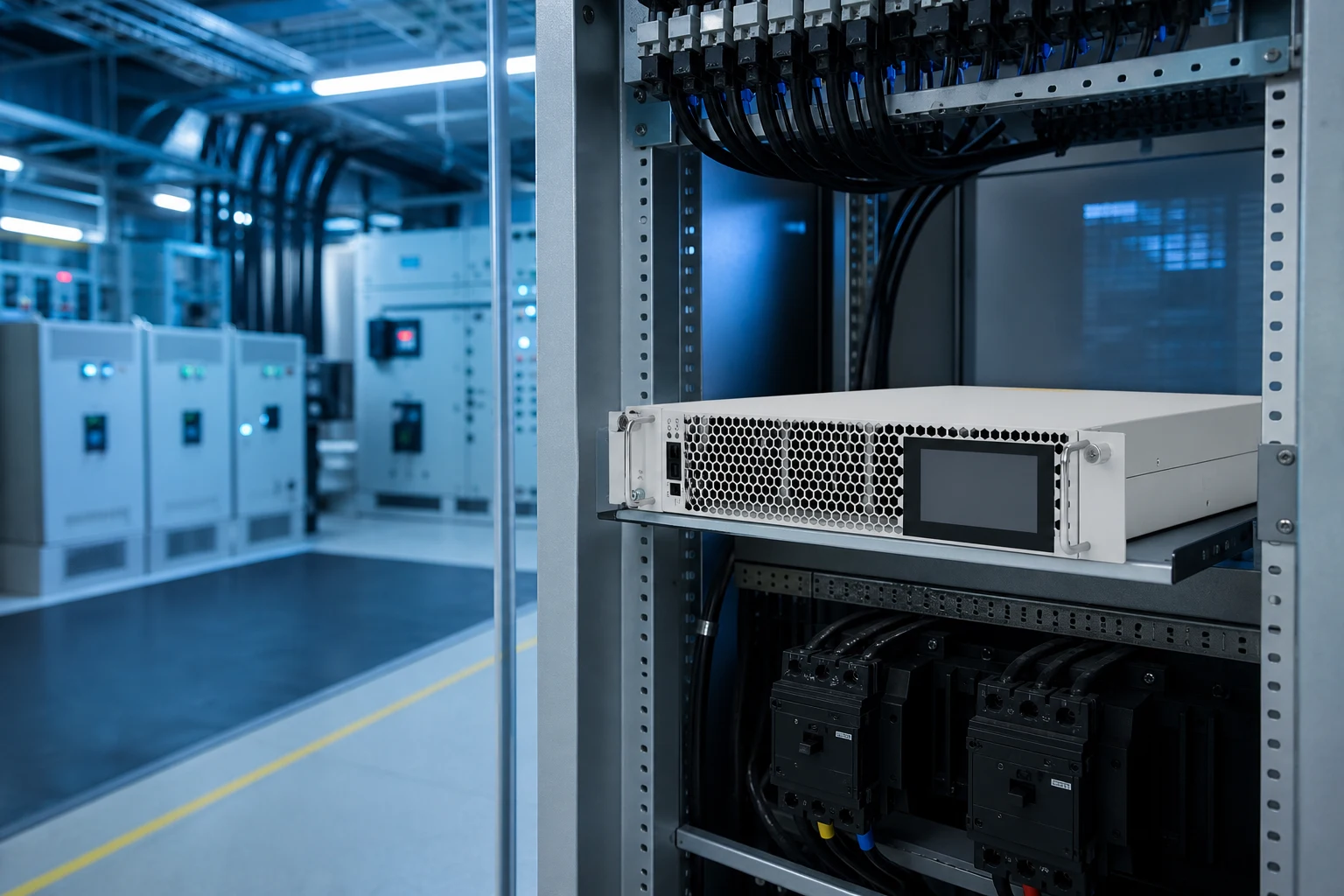
Harmonic readings in cement plants sit beside clinker-quality targets, emission limits, and fuel-switching schedules. A distorted waveform does not, by itself, explain a process upset or an environmental exceedance. Treat each concern with its own evidence trail and acceptance criteria. Blending them early tends to produce oversized mitigation scopes or mismatched device selections.
The Tổng quan về IEEE 519 helps frame boundary discussions for harmonic control, yet every cement site still needs its own point of measurement, operating cases, and contractual language. Articles and vendor brochures cannot substitute for that project definition. Likewise, correlating a harmonic event with a kiln instability requires plant instrumentation and process engineering review beyond this measurement guide.
Choose mitigation paths after the operating log is complete
Shortlist equipment only when the logged data matches the stated objective and the integration envelope is understood. Kiln plants often carry mixed loads—ID fans, mills, crushers, and auxiliary VFDs—so the correct device category depends on whether harmonic-current reduction, reactive support, or both is required.
| Danh mục giảm nhẹ | Hữu ích khi | Xác nhận trước khi gửi yêu cầu báo giá |
|---|---|---|
| AHF / APF | Harmonic-current reduction at the cement plant medium-voltage or PCC boundary is documented and agreed | Current spectra, CT plan, thermal path, protection, and acceptance test |
| SVG / ASVG | Hỗ trợ công suất phản kháng nhanh là mục tiêu chính | Voltage profile, existing compensation, controls interface, and commissioning plan |
| Tinh chỉnh thụ động | Một nghiên cứu hệ thống cho thấy một chức năng được điều chỉnh ổn định hoặc bị lệch điều chỉnh | Resonance review, switching policy, and maintenance access |
| Process or schedule change | Operating-point shifts materially change demand | Owner sign-off, production impact, and documented implementation |
Xem lại Trang Bộ lọc sóng hài tích cực CNBYG AHF alongside the logged data. The companion article on Đo sóng hài biến tần (VFD) và lựa chọn bộ lọc tích cực (APF) walks through a similar measurement-first workflow in another heavy-industry setting.
Document installation and acceptance before equipment arrives
Capture proposed bus connection, cable route, enclosure rating, cooling airflow, maintenance access, alarm points, and shutdown interlocks while the RFQ is still open. Cement plants impose dust, heat, and vibration constraints that affect cabinet placement and service intervals. Waiting until purchase-order stage to discover a routing conflict delays projects that already face production windows.
Post-installation checks should replay comparable kiln and fan states from the baseline log. Match meter placement, aggregation settings, and major-load lineup wherever possible. If acceptance targets a PCC metric, retain that boundary in the after-test plan. Shifting the logger to a different feeder without updating the objective can show improvement or regression that reflects test design rather than hardware performance. See injection molding power quality and servo drives for a parallel example of state-based acceptance in manufacturing environments.
Product inquiry checklist for cement plants
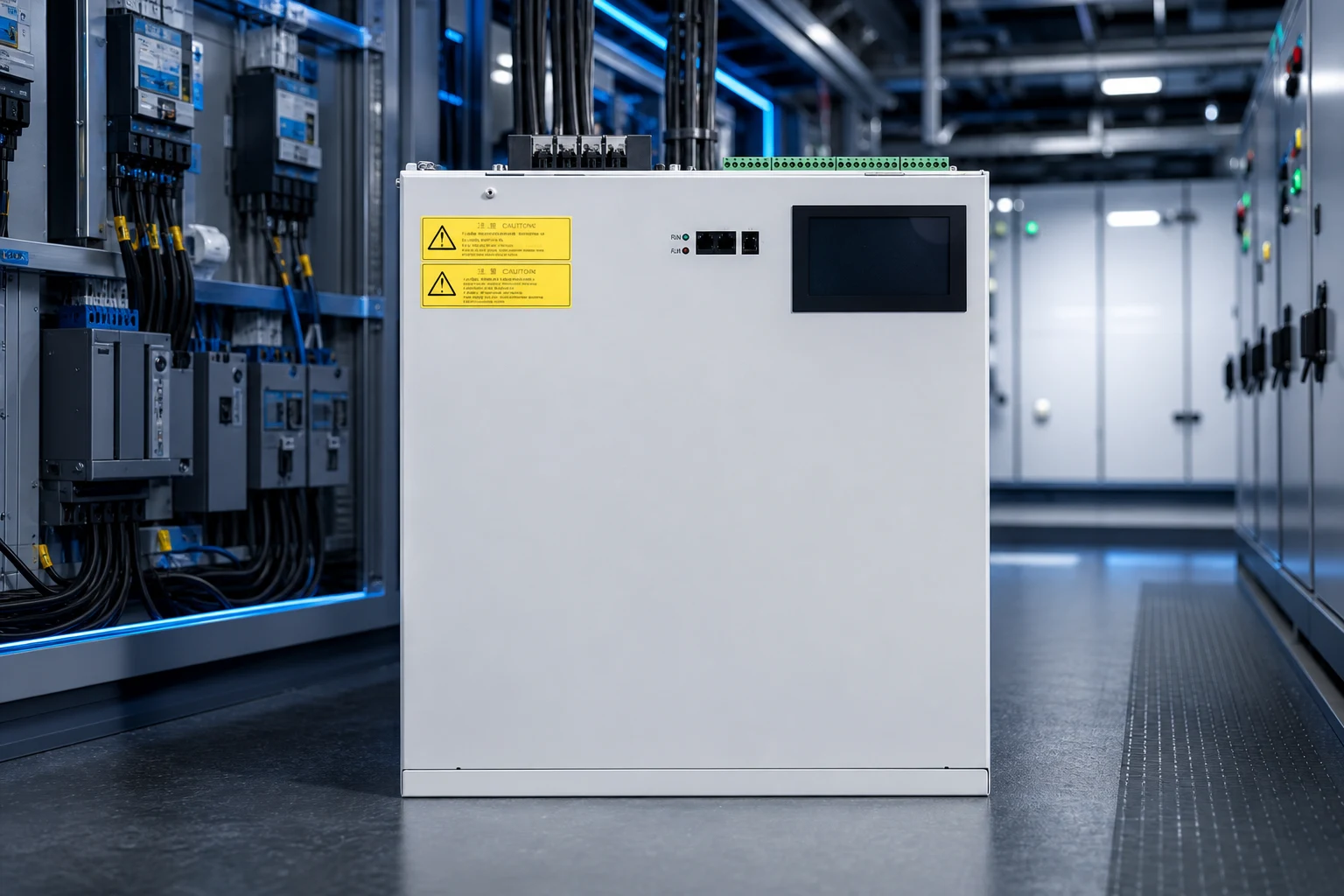
Send the single-line diagram, nominal voltage, transformer data, representative spectra, fuel and production schedule, major VFD inventory, existing compensation, protection schemes, preferred connection point, space and cooling notes, and communication expectations. State whether the decision concerns local feeder troubleshooting, plant-boundary assessment, harmonic-current mitigation, reactive-power support, or a combined review.
CNBYG can evaluate whether its product line aligns with that scope. It should not be asked to guarantee kiln process stability, clinker quality, emission compliance, or a guaranteed harmonic result. Engage kiln operators, process engineers, and utility representatives when regulated or safety-critical constraints apply. Submit available records through the Trang liên hệ CNBYG.
Các câu hỏi thường gặp
Why is an operating-state log required for cement kiln VFD harmonics?
Kiln speed, fan loading, and mill duty change non-linear current together, so spectra without operating context cannot support a reliable mitigation scope.
Should kiln drives and ID fans be measured on one feeder or separately?
Measure the feeder or bus where the mitigation decision will apply, then add individual drive feeders when the bus data points to a specific source worth isolating.
Does this article confirm emission or clinker-quality outcomes from harmonic mitigation?
No. Process, environmental, and product-quality decisions require plant-specific engineering beyond a harmonic measurement article.
Một phép đo có đủ để lựa chọn thiết bị giảm thiểu hay không?
Rarely for cement plants. Logger placement, fuel type, kiln speed band, fan loading, and capture duration all decide whether a spectrum represents normal production.
Có thể kích thước của thiết bị giảm nhẹ được tính chỉ dựa trên tải được kết nối hay không?
No. Nameplate kVA and drive counts describe installation context, but capacity review needs measured harmonic behavior, operating logs, and the defined project objective.
Bài viết này có đảm bảo kết quả về mặt tuân thủ hoặc vận hành không?
No. Emission limits, clinker quality, network conditions, acceptance tests, and commissioning must be verified for the specific site and contract.