Food Processing Mixer VFD Harmonics: Feeder Review
Food plants run mixer and blender VFDs through batch fill, mix, and discharge cycles that create intermittent harmonic current on shared process feeders. Assessing food processing mixer VFD harmonics needs batch-state logs and washdown notes before mitigation scope is written.
Trả lời trực tiếp
Food plants run mixer and blender VFDs through batch fill, mix, and discharge cycles that create intermittent harmonic current on shared process feeders. Assessing food processing mixer VFD harmonics needs batch-state logs and washdown notes before mitigation scope is written.
Food-safety programs and electrical mitigation RFQs should stay on separate evidence trails. CNBYG can discuss AHF/APF context when measured harmonic current is the objective. It cannot establish food-safety certification, batch yield targets, or a guaranteed harmonic result. Related topics live in the Hướng dẫn Kỹ thuật Hệ thống Chất lượng Điện.
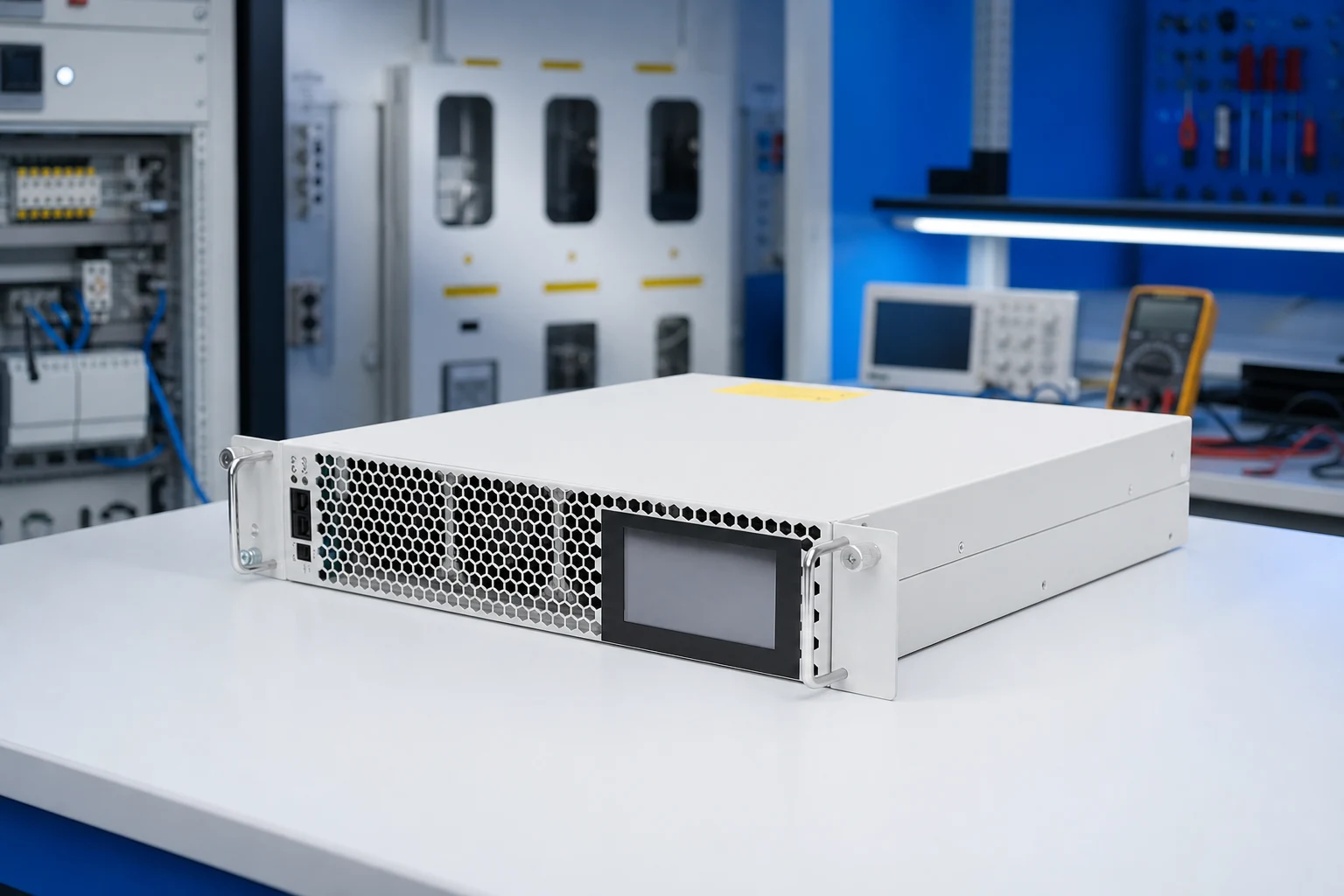
Bound the mixer feeder measurement
Mixer feeders characterize batch duty; the process-bus PCC answers a different question. Record CT details, batch IDs, and whether packaging lines shared the bus.
For batch mixers, blenders, and agitator VFD groups in food plants, log fill, mix, discharge, CIP washdown, and idle between batches. Tag batch size and recipe with each capture, and note whether adjacent packaging lines were running on the same bus.
Một hồ sơ tiền RFQ thực tế cho ứng dụng này thường bao gồm:
- Single-line of process and packaging feeders.
- Spectra across fill, mix, discharge, and CIP windows.
- Notes linked to the batch and CIP operating state.
- Compensation inventory in washdown-rated rooms.
- Demand trends over a full production day with sanitation.
| Food-plant log focus | Evidence to attach | Quyết định được hỗ trợ |
|---|---|---|
| Activity at the monitored mixer feeder | Dải tần hiện tại, xu hướng RMS, trạng thái tải, tham chiếu CT | Đặc tính nguồn cục bộ |
| Hoạt động tại ranh giới hệ thống | Xu hướng điện áp/dòng điện, dữ liệu máy biến áp và thượng nguồn | Phạm vi giảm thiểu ranh giới |
| Repeatability across batch and sanitation cycles | Nhiều cửa sổ vận hành được dán nhãn | Lập kế hoạch công suất và vận hành thử |
| Thiết bị đã kết nối | Kiểm kê bảo vệ, bù đắp một dòng | Đánh giá tương tác và hội nhập |
Quan trọng: Do not size APF capacity from mix-only windows without CIP and idle labels (Source: Đo sóng hài biến tần (VFD) và lựa chọn bộ lọc tích cực (APF)). Sanitation periods change which drives are online.
Keep hygiene KPIs separate from distortion scope
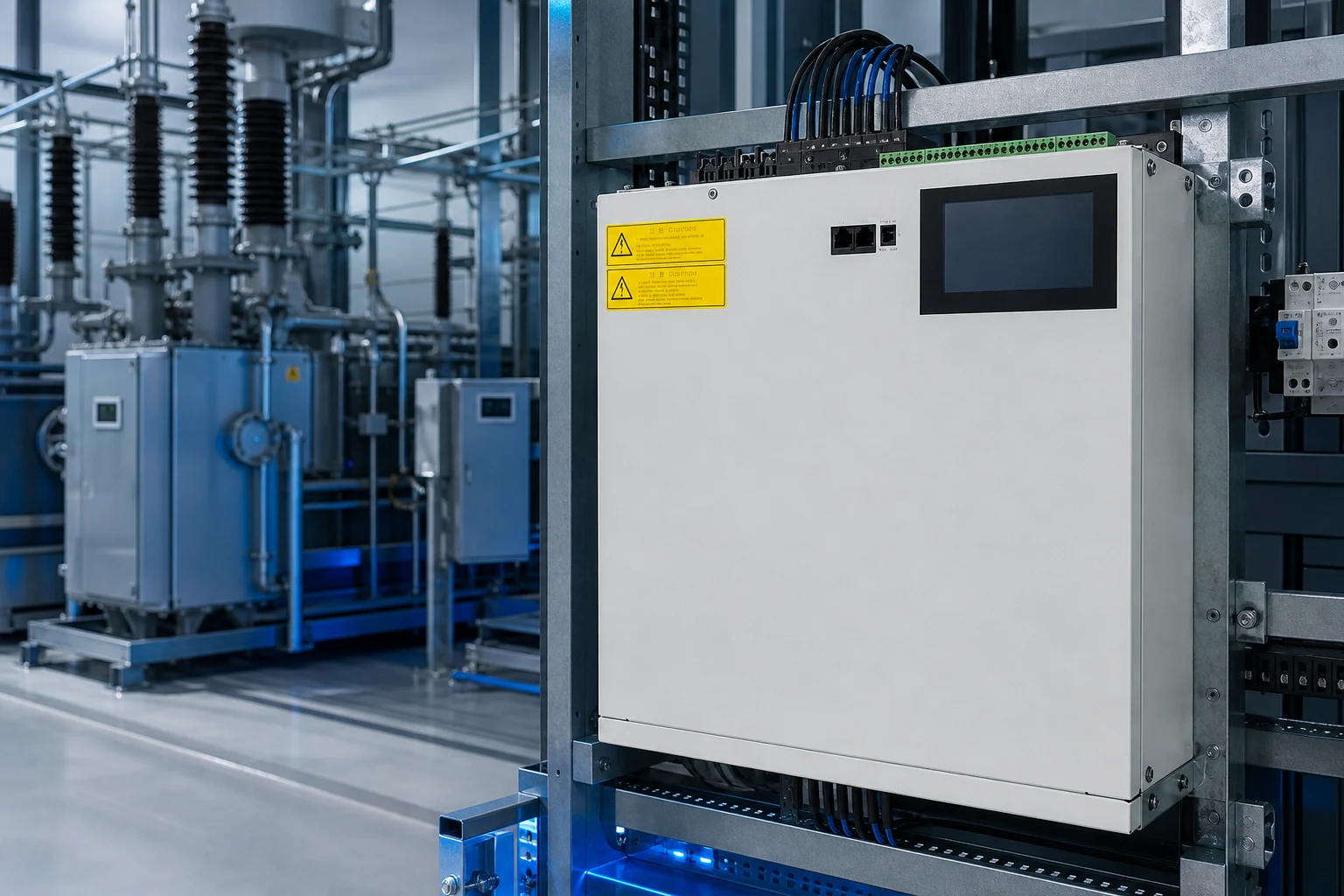
Allergen and hygiene outcomes are not proven by harmonic spectra. Keep process acceptance criteria separate from electrical mitigation acceptance.
The Tổng quan về IEEE 519 helps with boundary language; food plants still need washdown and batch-case definitions in the RFQ.
Operators should also record mixer fill level and agitator recipe step beside batch IDs, because those states change torque demand. Keep a short note on CIP chemical stage next to the electrical log so sanitation and electrical teams can reconcile timestamps during RFQ review. Those notes are short, but they keep batch and CIP windows comparable for quotation and commissioning follow-up on site.
Choose mitigation after batch-aware logs
AHF/APF is relevant when harmonic-current reduction at the food-plant process bus or PCC is agreed. SVG may address reactive swings during agitator ramps. Passive options need resonance review in the process room network.
| Danh mục giảm nhẹ | Hữu ích khi | Xác nhận trước khi gửi yêu cầu báo giá |
|---|---|---|
| AHF / APF | Harmonic-current reduction at the food-plant process bus or PCC is documented | Phổ, kế hoạch CT, đường dẫn nhiệt, bảo vệ, kiểm tra nghiệm thu |
| SVG / ASVG | Hỗ trợ công suất phản kháng nhanh là mục tiêu chính | Hồ sơ điện áp, thiết bị bù hiện có, điều khiển, vận hành thử |
| Tinh chỉnh thụ động | Một nghiên cứu hệ thống cho thấy một chức năng được điều chỉnh ổn định hoặc bị lệch điều chỉnh | Đánh giá cộng hưởng, chính sách chuyển đổi, quyền truy cập bảo trì |
| Thay đổi vận hành | Lên lịch hoặc dàn dựng ca làm việc thay đổi đáng kể nhu cầu | Chủ sở hữu phê duyệt và tài liệu hóa việc triển khai |
Assemble a batch-and-CIP RFQ evidence pack
Before suppliers quote, assemble batch-labeled spectra, CIP window tables, CT notes, and a marked-up process single-line. Clarify whether the decision is local mixer troubleshooting, process-bus assessment, or harmonic-current mitigation. Present production and sanitation windows separately.
Require the quote to declare covered orders, washdown enclosure ratings, and acceptance tests. Include headroom for future mixers and list compensation in washdown rooms. Name who labels batch IDs and who signs the acceptance checklist.
Add washdown IP ratings, sanitation outage windows, and a glossary of batch codes so CIP files are not mixed into production demand windows. Include CT polarity checks, sample intervals, and a note describing whether packaging lines shared the process bus during each capture. Record expected spare headroom for future mixers and keep the acceptance checklist owner named before quotation begins.
Xem lại Trang Bộ lọc sóng hài tích cực CNBYG AHF with batch and CIP logs attached. The automotive manufacturing guide on Đo sóng hài biến tần (VFD) và lựa chọn bộ lọc tích cực (APF) shows how multi-feeder coincidence is captured in another plant type.
Installation under washdown constraints
Document IP ratings, stainless or coated enclosures, cable seals, and sanitation outage windows. Acceptance should replay batch and CIP states from the baseline.
The related industrial scenario in Lựa chọn APF và SVG cho sản xuất ô tô shows how batch-state logs support comparable commissioning checks.
Food-plant inquiry checklist
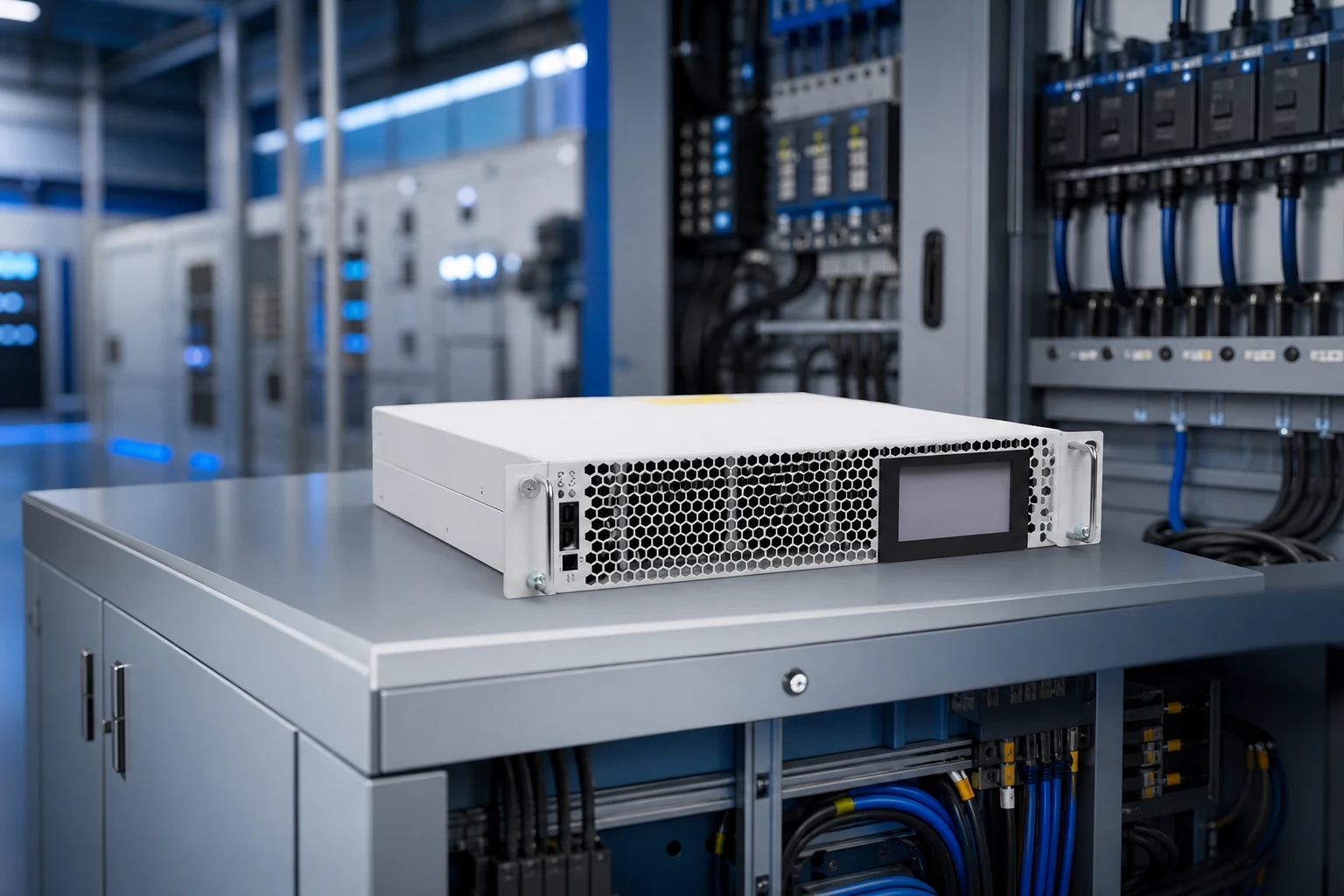
Include single-line data, batch-labeled spectra, mixer inventory, compensation details, and washdown constraints. CNBYG can review fit and must not guarantee food-safety certification, batch yield targets, or a guaranteed harmonic result. Submit through the Trang liên hệ CNBYG.
Các câu hỏi thường gặp
Why include CIP washdown windows in the log?
Washdown and idle states change which drives are online, so RFQ data must separate production batches from sanitation periods.
Should packaging lines be measured with mixers?
Measure the bus where mitigation will apply; add packaging feeders when coincidence on that bus is material to the objective.
Does harmonic mitigation guarantee food-safety outcomes?
No. Hygiene, allergen, and process controls remain separate engineering responsibilities.
Một phép đo có đủ để lựa chọn thiết bị giảm thiểu hay không?
Usually not in food plants. Batch cycles, CIP windows, and objective definition determine whether the data supports capacity talk.
Can mitigation equipment be sized from mixer nameplate kW alone?
No. Nameplate kW is context; measured spectra and batch logs set the capacity basis.
Bài viết này có đảm bảo kết quả về mặt tuân thủ hoặc vận hành không?
No. Food-safety programs, network conditions, and commissioning remain site-specific.