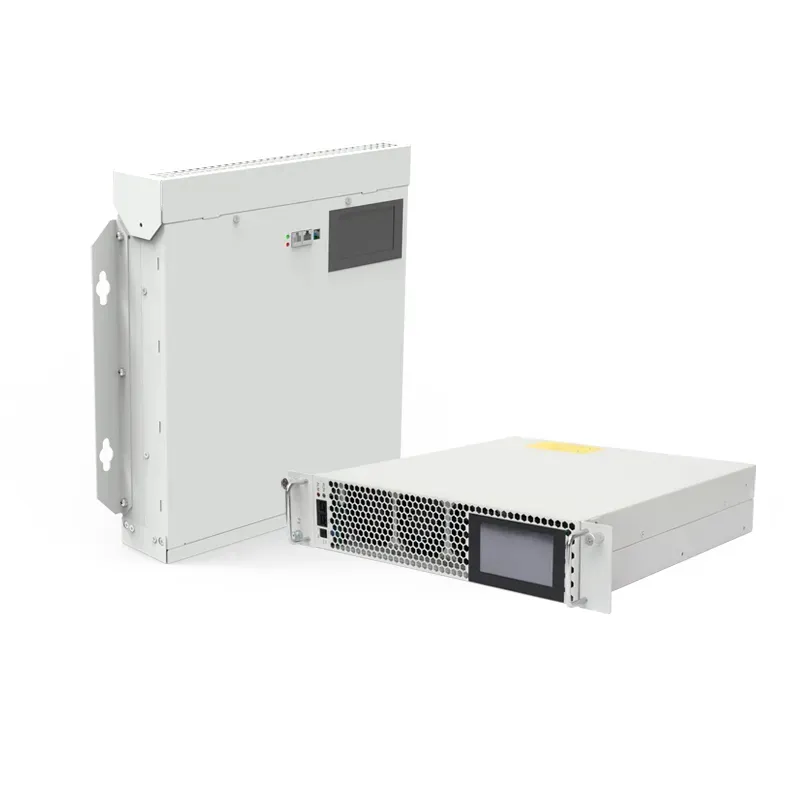
Principles of Conventional Reactive Power Compensators
Reactive power compensators are important to the proper operation and efficiency of electrical systems. Reactive power compensation reduces losses, stabilizes voltage and enhances the operational efficiency of all types of systems including industrial facilities and grid level distribution of power. In this article we explore the background of conventional reactive power compensators including their design, operation, advantages and answers to common questions such as “What is reactive power compensation?” and “How do I compensate for reactive power?” so readers can gain an appreciation for the significance of this essential topic.
What Is Reactive Power and Why Does It Matter?
Before exploring power factor compensation, it helps to understand reactive energy. Measured in VAR (volt-amps reactive), reactive energy doesn’t perform useful electrical work or contribute to net energy consumption. Instead, it supports proper voltage levels so connected equipment operates correctly. Working alongside active energy, it sustains the electric and magnetic fields in AC systems. In effect, reactive energy balances active energy, enabling efficient electricity transmission and distribution through the utility network.
If adequate reactive power management is not in place, a system can potentially experience issues with voltage instability, as well as higher losses and inefficiencies from the equipment. This is especially true for industrial applications, such as motors, transformers, and capacitors that can consume a significant amount of reactive power.
Principles of Conventional Reactive Power Compensators
Reactive power compensators (also known as conventional reactive power compensators) are used to supply real-time reactive power support to electrical systems. Capacitors, reactors (inductors) or other devices are used to generate or absorb reactive power in order to provide balance between the demand and supply of electrical power. The operation of reactive power compensators follows the fundamental principles:
The use of Capacitors provides Reactive Power in order to compensate for the Reactive Power consumed by Inductive loads, like motors and transformers. Inductive loads absorb Reactive Power while Capacitors inject and replenish the Reactive Power consumed. Doing so helps to stabilize voltage in the system and improve Power Factor.
Inductive Reactors compensate for excessive capacitive conditions by absorbing reactive power and keeping voltage levels stable; they help avoid excessive capacitive conditions and ensure that there is no over-compensation of the system, thereby eliminating the potential for detrimental effects, such as voltage fluctuation, to occur.
Many traditional reactive power compensators have automatic control systems that can independently adjust their compensation levels dynamically, depending on the load’s actual need for compensation. In addition to this, feedback systems continuously track both voltage levels and load demand so that they can provide the best possible compensation at all times.
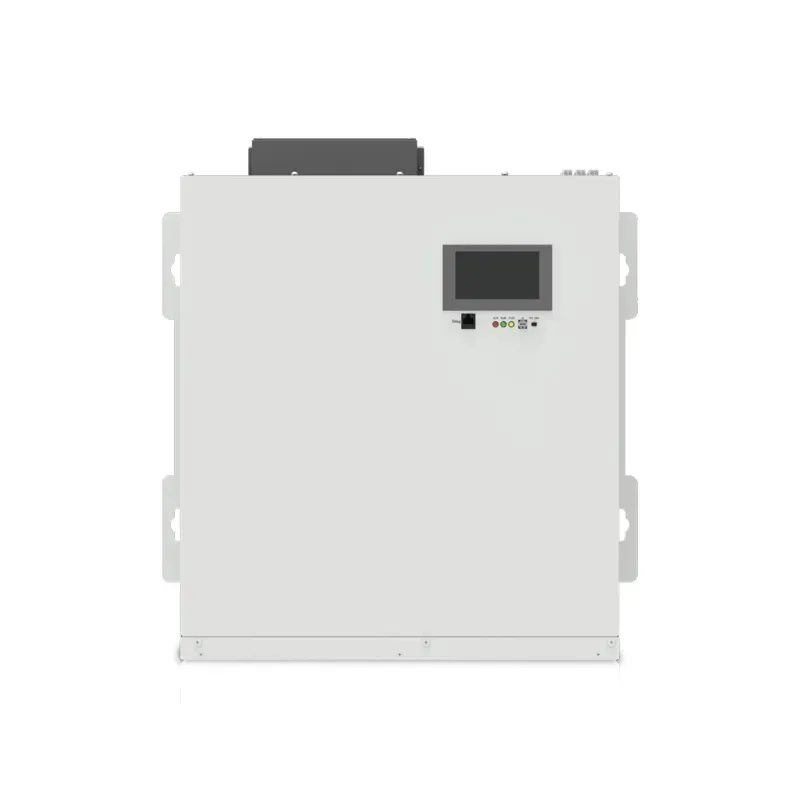
How To Compensate Reactive Power?
Reactive power compensation comprises deploying reactive compensators strategically, with an aim to provide a form of balance to the electrical system. Methods of reactive power compensation generally include:
Fixed Capacitor Banks: Fixed Capacitors Offer a Method for Supplying Power to a Circuit By Storing Energy. They Have Low Initial Costs and Are Very Easy to Install. Fixed Capacithioliorate Banks Work Well in Industries Where The Amount of Electricial Energy is Constant and/Or Stable.
SVCs and STATCOMs are forms of variable compensation units. They can adjust the amount of reactive power injected (or consumed) in response to real-time changes in the load.
Harmonic Filters: In addition to improving power quality, some types of reactive power compensators (e.g., tuned capacitor banks) also act as harmonic filters.
Which compensation method is suitable will depend on your application requirements whether that be related to industrial machinery use, grid operation or renewable energy integration. You need to conduct an analysis on load types and system requirements before deploying any form of compensation.
Advantages of Reactive Power Compensators
Investing in reactive power compensators offers several advantages:
1. Enhanced Power Factor: By providing compensation, power factor as a whole is improved; this results in reduced penalties for industrial end users, while at the same time maximizing efficiency.
2. Improved stability in voltage levels is achieved by installing compensators to help stabilize your equipment during unforeseen events.
3. Reduced transmission losses can be achieved with reduced reactive power flow through the proper compensation of reactive power on the transmission lines, resulting in decreased transmission loss and increased system reliability.
4. Reduction of Costs – Reduced energy losses and improved power factor will result in direct savings on electricity bills, ultimately benefiting you financially.
Frequently Asked Questions (FAQs)
What Is the Principle of Conventional Reactive Power Compensators?
Traditional reactive power compensators provide a method for injecting either inductive or capacitive reactive power on an active basis with a view to ensuring that all of the reactive power demands of the system are properly balanced and that the voltage levels are maintained within acceptable limits. While capacitors supply reactive power to cater for inductive loads, reactors take away excessive reactive power from inductive loads.
What Is the Principle of Reactive Power?
Voltage stability is maintained by reactive power in alternating current (AC) systems through sustaining the electrical and magnetic field. Although there is no work completed by reactive power, it is important for the correct operation of equipment and reducing losses across transmitters and transmission lines.
How To Compensate Reactive Power?
The use of Fixed or Variable devices like Capacitor banks, SVCs (Static var compensators) or, STATCOMs (Static Compensators) are methods used to compensate for reactive power. It all depends on the application, system design and load characteristics.
Applications of Reactive Power Compensators
Reactive compensators are widely used across industries:
2. Heavy Machinery Applications: Industries utilize power factor and voltage stabilization to improve the performance of large scale production activities.
– Utility companies are using Compensators for maintaining voltage stability throughout the total electric grid while also minimizing the amount of power burned as a loss.
Renewable Generation Systems: Solar and wind farms face reactive power compensation challenges due to fluctuations in power generation, and therefore use Reactive Power Compensators to fix those problems.
4. Data Center Power Compensators: Compensators are utilized in larger data centers to guarantee stable, reliable power supply to sensitive equipment.
By comprehending the purpose of these devices, you will be in a better position to make an educated choice regarding the addition of reactive power compensators to your system.
Conclusion
The importance of conventional reactive power compensators cannot be overstated when it comes to ensuring highly effective, stable, and reliable operations of electrical distribution systems within different types of industry and services. Capacitor and reactor type devices that allow businesses to improve power factor performance, reduce transmission losses, and save money. Whether installed in an industrial facility, utility grid or renewable generation facilities, the use of reactive power compensation systems will result in significant overall improvements in power quality. For organizations looking to maximize energy efficiency, investing in reactive compensators is a viable and sound decision.