Why Power Quality Matters in Modern Electrical Systems
Electrical systems throughout the world rely on high-quality power for optimal and consistent performance; thus, power quality is defined as the optimal operation of electrical system components. Poor power quality can cause various types of failure in electrical devices, such as short-circuits and over-heating (which can also destroy other electrical equipment), and alos result in increased operational costs. Investing in a high-quality power-related infrastructure will fundamentally increase your operational performance as well as help protect your equipment by preventing outages due to system failures. In short, you will ultimately recover more of your investment through increased performance of both your electrical systems and equipment.
The need for stable, reliable power has increased dramatically due to technological advancements increasing productivity. Large industrial plants, data centers, hospitals and residential properties are all dependent on 100% uptime (no downtime) for their operations. Failing to address any power quality issues could lead to serious financial consequences and operational consequences.
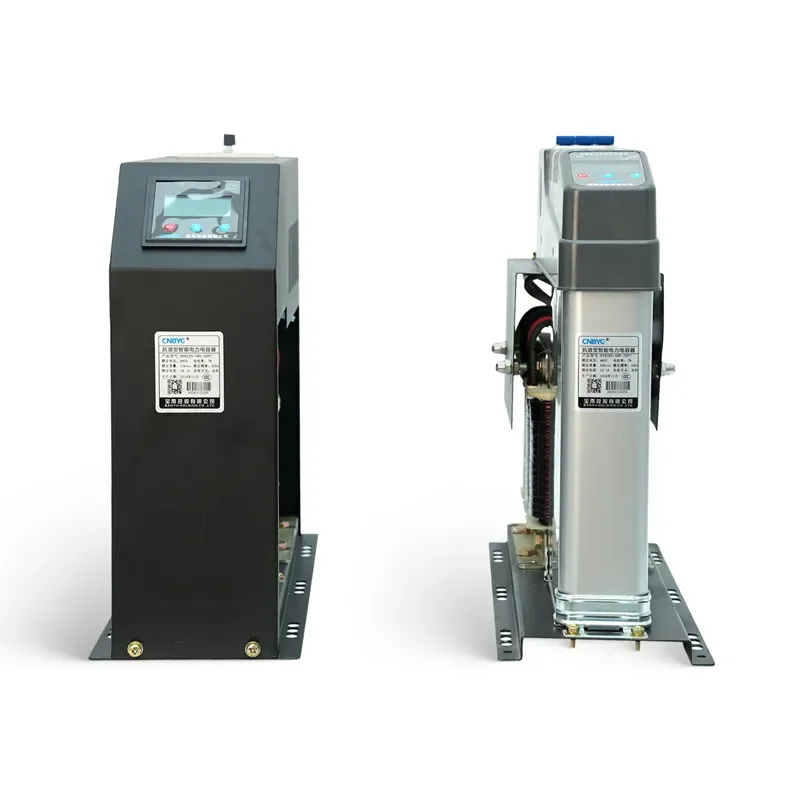
Key Power Quality Components and Parameters
The electrical power quality system includes a number of different components and parameters that all contribute to the proper operation of electrical devices. These include but are not limited to:
- Transformers: Regulate voltage levels and manage power distribution effectively.
- Voltage Regulators: Maintain consistent voltage output under varying load conditions.
- Surge Protectors: Guard against transient voltage spikes that could damage sensitive equipment.
- Uninterruptible Power Supplies (UPS): Provide backup power to maintain operations during outages.
Quality Indicators of Electric Power Supply
Essential indicators of electric power supply quality include voltage stability, frequency stability, and harmonic distortion. By appropriately monitoring and regulating these parameters, electrical anomalies can be avoided, and systems can operate more efficiently. Using advanced analytics integrated with advanced monitoring systems permits the forecasting of impending power quality events for proper maintenance, thereby minimizing the risk of equipment failure and downtime.
Types of Power Quality Problems and Solutions
There are numerous manifestations of power quality issues, all requiring different solutions. Some of the more common problems include:
- Voltage variations are sometimes caused by fluctuations in load; to correct such fluctuations, you need to install appropriate voltage regulation or voltage transformer equipment.
- Harmonic Distortion: Nonlinear loads create this problem; however, it can be resolved by using harmonic filters that will clean up the power signal.
- When there is an unplanned loss of electrical power, emergency generators and battery backup systems will work to provide power for critical operations.
- High voltage spikes are dangerous, but they can be controlled by surge protectors and lightning arrestors.
The systematic resolution of these difficulties is critical to maintaining continuous service, protecting equipment from damage and being productive. Effective power quality solutions provide benefits both to commercial enterprises and individual consumers.
Applications and Benefits of Power Quality Systems
Whether used in an industrial sector, or as part of a residential setup, power quality systems have application in several different places. Besides improving operational efficiency, they also produce other benefits:
- Longer Lifespan of Equipment: Decreased electrical stress will result in extended life of machinery and electronic devices, thus saving on replacement costs.
- Minimizing electrical disturbances increases safety and lowers the chance of injuries thereby creating a safer working environment for both employees and residents.
- Long-term operational costs can be reduced significantly by preventing; downtime and equipment damage. This can enhance profitability.
- Compliance With Regulations and Sustainability: Efficient systems help to minimize the waste of energy; therefore, they contribute to the sustainability of the environment and to compliance with environmental regulations.
Using power quality systems can improve performance and save money, making them a good investment. As technology continues to progress, the use of power quality systems will become increasingly critical to meet the growing demand for energy efficiency and reliability.
Frequently Asked Questions
Why does power quality matter for modern facilities?
Modern facilities rely heavily on electronics like automation and IT systems. Even minor voltage sags, swells, or electrical noise can cause equipment failure, data loss, or product defects. Maintaining power quality reduces unplanned downtime, protects critical data, and lowers maintenance and operating costs by keeping devices running at optimal conditions.
What are the core components of a power quality system?
Core components include power quality meters for monitoring, voltage regulators and dynamic voltage restorers for sag correction, surge protection devices, harmonic filters or multi-pulse drives, power factor correction equipment, UPS for backup, proper grounding, and analytics software for event alerts.
Which standards define acceptable power quality?
Industry standards, such as IEEE 519 (harmonic limitations at the point of common coupling), IEC 61000 series (compatibility and measurement) and EN 50160 (public distribution voltage characteristics), provide baseline requirements for utilities and best practices across multiple industries. By adhering to these standards, your facility will be more aligned with utility expectations and will demonstrate compliance with established best practices within the industry.
How do I diagnose power quality issues effectively?
Start with a site survey, then log Class A power quality data at critical buses for at least one week. Use a power quality analyzer to identify voltage sags/swells, total harmonic distortion, flicker, transients, and imbalances, correlating them to process events or equipment trips. Inspect wiring, grounding, and load profiles, then install permanent metering with alarm systems for continuous monitoring and trend analysis.
What solutions address the most common problems?
For sags and swells, use voltage regulators, tap-changing transformers, or dynamic voltage restorers. Outages require UPS and generators. Address harmonics with active filters, passive filters, or multi-pulse drives. Layer surge protective devices for transients. Correct poor power factor with capacitors or active compensation, and manage flicker or large motor starts with soft starters, autotransformers, or STATCOM/SVC.
Do drives, LEDs, or renewables affect power quality?
Variable speed drives, LED drivers, and inverter-based renewables can introduce harmonics, flicker, and resonance into electrical systems. To address these issues, work with manufacturers to select compliant equipment that meets standards. In your project design, incorporate line reactors or LCL filters to reduce harmonic distortion, tune their performance to local site conditions, and test all installed equipment during commissioning to verify it meets standard performance benchmarks.
A power quality system is one of the cornerstones of any current electrical installation. No matter what your system needs might be, their sheer number of possibilities will give you insatiably high levels of protection against the many related issues that can arise with your power supply. As an example, when stakeholders understand the context and function of power quality systems, they can use that information to develop a comprehensive strategy to achieve the best electrical performance and preserve system lifetime.