Power Quality Baseline Report Template for a Mitigation RFQ
A power-quality baseline report should let a reviewer reconstruct the measurement context before discussing mitigation. The useful question is not whether a file has many charts; it is whether the report identifies the electrical boundary, operating state, evidence source, and the project decision that needs review.
Start with the power quality system guides for broader planning context. This template organizes an RFQ evidence package; it does not certify compliance, select equipment, or promise a mitigation result.
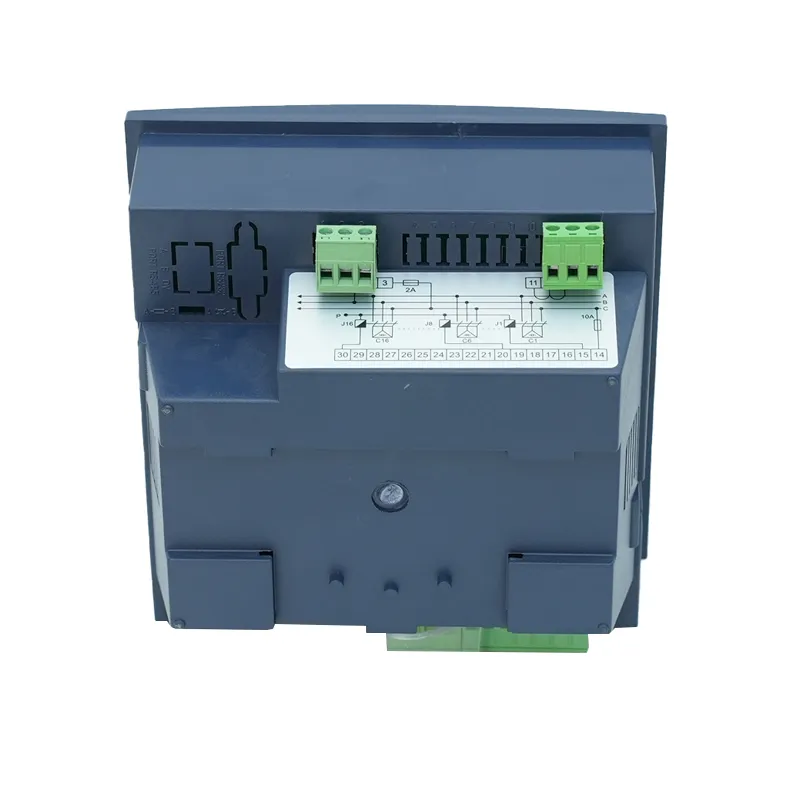
Direct answer
Build the baseline around a named electrical decision. Include the one-line diagram, measurement setup, time window, operating log, applicable electrical exports, existing equipment, constraints, and the exact review question that the RFQ asks a supplier or engineering team to consider.
Part 1. State the baseline decision before collecting fields
Open the report with one clear purpose. For example, the team may need to review harmonic current at a process feeder, compare records before and after an operating change, or understand whether an existing installation has a defined power-quality concern. The purpose controls what data needs to be attached.
Avoid a generic statement such as “improve power quality.” Instead, name the electrical location, the decision owner, and the question that remains open. This keeps a baseline from becoming a collection of data with no review path.
Important: A baseline report does not establish compliance or prove a mitigation outcome. The project boundary, applicable requirements, and acceptance method require their own engineering definition (IEEE 519 overview).
| Opening field | What to state | Why it matters |
|---|---|---|
| Review purpose | The decision the report supports | Prevents a data archive from becoming an implied device specification. |
| Electrical boundary | Named bus, feeder, or load group | Defines the circuits included in the record. |
| Responsible reviewer | Owner, engineer, or project role | Makes the follow-up decision traceable. |
| Requested output | Scope review, data gap list, or proposal assumptions | Sets an RFQ expectation without a performance promise. |
Part 2. Define the electrical boundary and measurement setup
Attach a readable one-line diagram. Mark the incoming source, the selected feeder or bus, CT positions, voltage reference, outgoing circuits, and any bypass or parallel path that changes the included loads. The reviewer should not have to infer the measurement location from a screen capture.
Record the instrument make or configuration reference, CT ratio and orientation, voltage input, aggregation or capture settings, start and end times, and the person who collected the data. The report can link to original exports rather than trying to reproduce every waveform in the document.
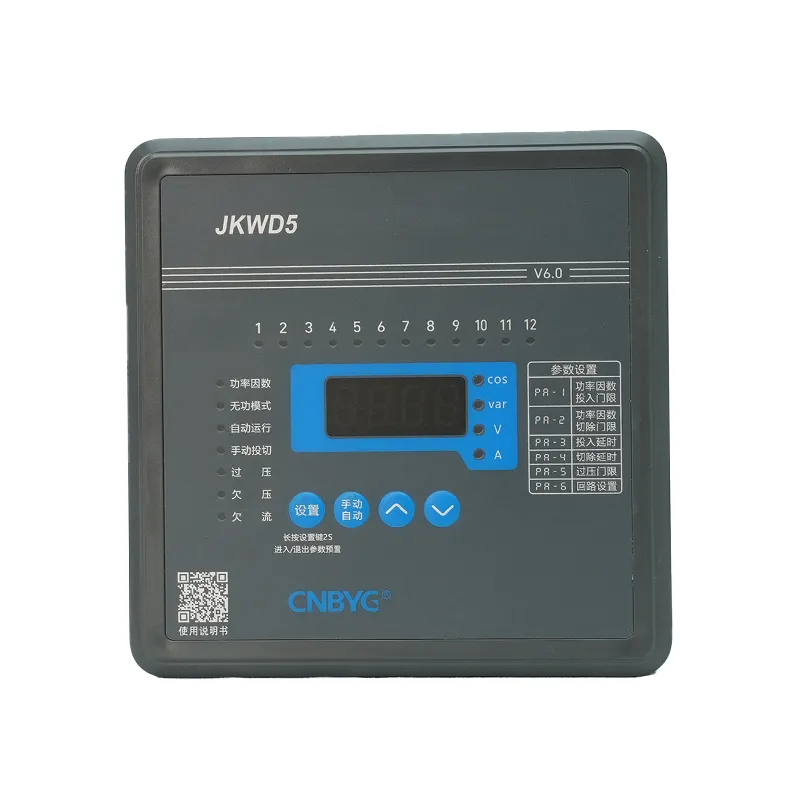
| Setup field | Baseline entry | Review use |
|---|---|---|
| Meter location | One-line diagram reference and physical description | Identifies the electrical boundary. |
| CT and voltage reference | Ratio, orientation, and connection points | Lets another reviewer understand the acquisition setup. |
| Capture basis | Time window, interval, and event settings | Separates representative trends from one event. |
| Raw evidence | File names or links to original exports | Preserves traceability beyond report screenshots. |
Part 3. Record operating conditions with the electrical data
Electrical evidence needs an operating log. State which production lines, drive groups, rectifiers, UPS loads, HVAC loads, and other significant loads were active. Note starts, stops, transfers, capacitor switching, bypass conditions, and any source configuration change that occurred during the capture.
Use named scenarios rather than labels such as “normal.” A useful scenario might specify the shift, product or process state, load groups, speed range, and whether the period was selected as representative or event-based. This allows later comparisons without pretending that different operating conditions are identical.
The existing power quality metering before an RFQ guide can be used as a companion checklist for the field collection stage.
Part 4. Add evidence without turning it into a verdict
Select the evidence that matches the stated question. Depending on the scope, this may include voltage and current trends, harmonic-order exports, THD/TDD context, total and displacement PF fields where available, events, and observations from the operating log. Each attachment should be labeled with its boundary, time period, and settings.
The report should describe what the data shows at the documented location, not declare what equipment will solve it. The harmonic-order evidence article explains how to preserve individual-order records before an APF RFQ, while the THD and TDD measurement context guide explains why the reference basis matters.
| Evidence type | Attach or summarize | Boundary note |
|---|---|---|
| Voltage and current trend | Representative intervals and time base | State the selected electrical location. |
| Harmonic record | Original export, units, orders or summary, settings | Do not detach it from operating conditions. |
| PF record | Instrument fields and time window where relevant | Keep reactive and distortion questions distinct. |
| Events and observations | Switching, alarms, transfers, or process notes | Do not present correlation as a proven cause. |
Part 5. Document constraints and review questions
The RFQ needs physical and project context as well as measurements. Include the existing switchboard or panel arrangement, installed capacitors or filters, protection information, space, cooling, cable routing, communications, outage limits, and any documentation requirement. State which of these items are known and which need confirmation.
Then pose the review question directly. A good question asks what additional information is required to assess a defined harmonic-current scope, not whether a vendor can guarantee a plant result. The DOE Industrial Technologies Office offers general industrial-system context but does not prescribe a site solution.
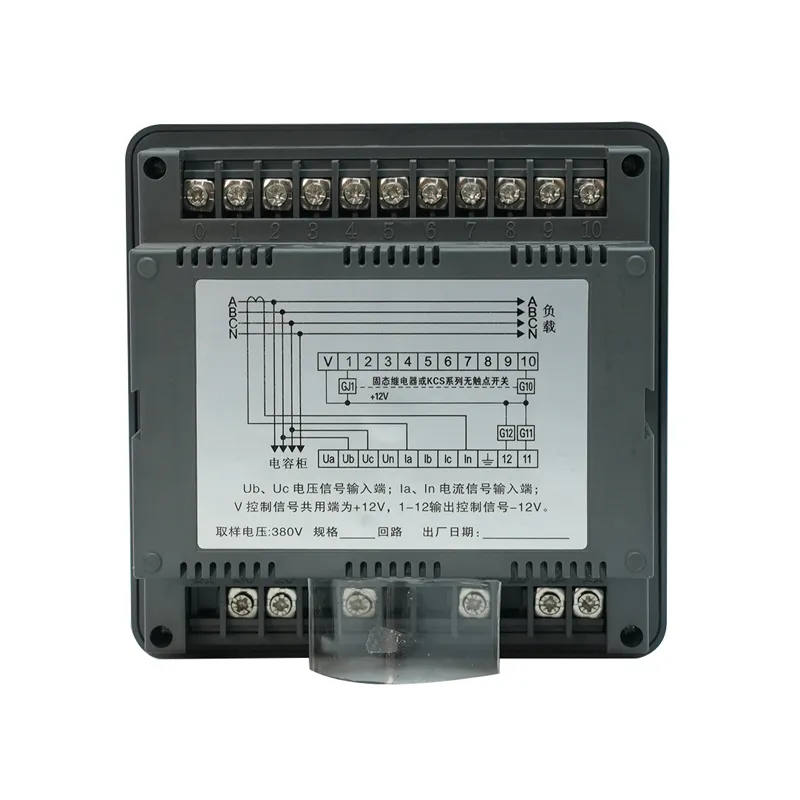
Part 6. Assemble the RFQ-ready baseline report
Use the following field set as a report template. It can be a shared document, PDF, or controlled file package, provided that the original evidence remains available to the reviewer.
| Buyer should provide | Why it matters |
|---|---|
| Purpose, owner, and requested review output | Defines what the RFQ is asking the reviewer to assess. |
| One-line diagram and nominal system details | Establishes the electrical boundary and supply context. |
| Meter, CT, voltage-reference, and capture settings | Makes the measurement setup traceable. |
| Time windows, operating-state log, and load inventory | Connects electrical records to plant operation. |
| Voltage, current, harmonic, and PF exports as relevant | Supplies evidence matched to the stated objective. |
| Existing equipment, protection, installation limits, and acceptance questions | Defines integration constraints and project boundaries. |
The AHF Active Harmonic Filter product context page can be considered only after the report establishes a harmonic-current objective and a defined integration scope. Use the completed baseline report to begin a review; a template cannot replace a project study or guarantee an outcome.
Frequently asked questions
What is a power-quality baseline report?
It is a documented description of the electrical condition and project question before a review. It links measurements to the boundary, time window, operating state, and requested decision.
Does a report template establish compliance?
No. A template organizes evidence. Applicable requirements, assessment methods, and acceptance criteria must be defined for the project.
Which electrical boundary should the report name?
Name the bus, feeder, or load group that matches the decision being reviewed, then show that location on the one-line diagram with the meter and CT references.
How should operating states be recorded?
Use named scenarios with time windows, load groups, process state, switching changes, and source configuration notes. This makes electrical records comparable.
Can a baseline report select an APF?
No. It can support a review, but equipment discussion still needs a defined harmonic-current objective, connection point, representative data, integration constraints, and acceptance scope.
What should be attached to a mitigation RFQ?
Attach the one-line diagram, system data, measurement setup, original exports, operating log, load inventory, existing equipment details, installation constraints, and the requested review question.