كيفية مراجعة نقطة ضبط وحدة التحكم JKW قبل التبديل
نقطة ضبط مُحكّم القدرة غير الفعالة ليست هدف أداء قائم بذاته. قم بمراجعتها جنبًا إلى جنب مع نقطة القياس، واتجاه محول التيار (CT)، وترتيب مراحل المكثفات، وسجل التأخير، وضرورة تشغيل ظروف التشغيل التي سيتم استخدام الإعداد فيها.
إجابة مباشرة
قبل التبديل، احفظ الإعداد الحالي وسجل مراجعاته، ثم تحقق من حد القياس ومعلومات المرحلة التي تمنح ذلك الإعداد معناه. هذه طريقة مراجعة وليست معامل قدرة مستهدفاً موصوفاً أو موافقة تشغيل.
الجزء 1. حدد القرار قبل فتح قائمة وحدة التحكم
أي إعداد قيد المراجعة، وأي ناقل أو مغذٍ يتم تمثيله، وما إذا كان الغرض هو التحقق من مراجعة، أو مراجعة إنذار، أو طلب عرض أسعار (RFQ)؟.
| سؤال مراجعة | المед مطلوب | لا تستنتج |
|---|---|---|
| هل لا يزال الهدف المسجل مقصوداً؟ | إعداد التصدير وملاحظة المراجعة | بما يتناسب مع كل حالة حمل |
| هل إجراء المرحلة قابل للتعقب؟ | معرف المرحلة والطابع الزمني | أن الأمر يثبت التشغيل المادي |
| هل التغيير جاهز للمراجعة؟ | الرسم، سجل الأشعة المقطعية وسجل العمليات | أن قيمة الشاشة تعتبر موافقة |
استخدم المصطلحات التالية مورد تعويض القدرة غير الفعالة باعتباره مدخل خط المنتجات. تبدأ هذه المقالة بسؤال الأدلة الأضيق.
الجزء 2. تأكيد حد القياس وسجل المحولات الحالية
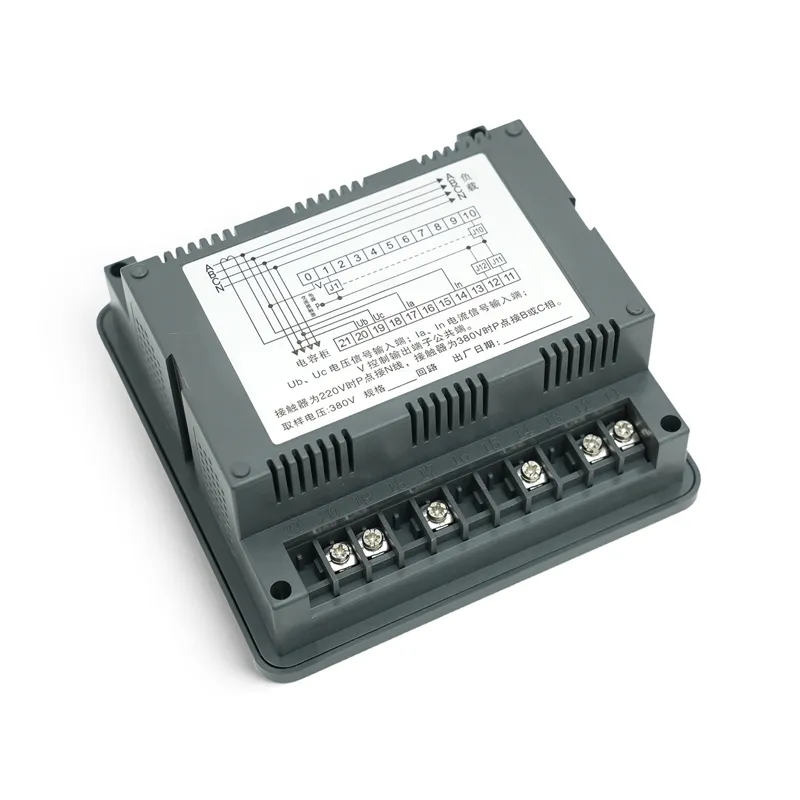
إذا لم يتم تسمية مراجع محولات التيار (CT) والجهد، فلا يمكن تعيين القيمة المعروضة بثقة إلى قضيب توصيل، أو مغذي، أو مجموعة مرحلية. قم بتسجيل الموقع، ومرجع الطور، واتجاه محول التيار كما تم تركيبه، وعلاقة العداد/وحدة التحكم، ومراجعة الرسم الأحادي الخط قبل مقارنة أي إعداد.
| عنصر | لماذا ينتمي إلى السجل | ثغرة مراجعة شائعة |
|---|---|---|
| موقع واتجاه التصوير المقطعي المحوسب | يحدد حدود المراقبة الحالية | معاملة مغذٍ قريب بنفس الحمولة |
| مرجع الجهد | يحدد مرجع وحدة التحكم | حذف مصدر أو تغيير محول |
| مراجعة الرسم | يحدد المراحل والحماية | مراجعة ترتيب عفا عليه الزمن |
ذات الصلة دليل تسجيل بيانات PF يساعد في فصل الكميات المسجلة؛ ولا يضبط قيمة وحدة التحكم.
الجزء 3. قراءة نقطة ضبط والخطوة والتأخير كجلبة تحكم واحدة
يكسب تصدير الإعدادات أهمية عندما تتم تسمية كل مرحلة والاحتفاظ بمعلومات التأخير أو التسلسل معها. احتفظ بالإجراءات اليدوية، والإنذارات، وأقفال الأمان، وأي مراجعة لوحدة التحكم في نفس الحزمة المؤرخة. هذا يمنع المراجع اللاحق من الخطأ واعتبار حالة تشغيل متغيرة بمثابة تغيير في وحدة التحكم.
| حقل سجل | قيمة المشتريات أو المراجعة |
|---|---|
| تسلسل المراحل والوصف الاسمي | يربط سجل القائمة بالرسم |
| تاريخ التأخير والتبديل | يحدد التسلسل الزمني للمقارنة، وليس قيمة عالمية |
| إنذارات والإجراءات اليدوية | يكشف عن الاستثناءات قبل نسخ الإعداد |
الجزء 4. قارن السجلات فقط في ظل حالات تشغيل قابلة للمقارنة
على عكس المقارنة القائمة على التقويم، تقوم المقارنة المفيدة بتجميع السجلات حسب ترتيب المصدر، والأحمال غير الخطية الرئيسية، وحالة العملية، وتكوين المرحلة. إن شركة شنايدر دليل التركيبات الكهربائية تلاحظ أن الظروف التوافقية مهمة في سياق مجموعة المكثفات.
مهم احتفظ بملاحظات التوافقية وأية ملاحظات تتعلق بالمفاعل أو طوبولوجيا الشبكة بجانب سجل الإعدادات. فهي تحدد حالة تتطلب المراجعة؛ وهي لا تثبت أن إعداد وحدة التحكم قد تسبب فيها أو حلها.دليل التركيبات الكهربائية من شنايدر إلكتريك)
استخدم أ تقرير خط الأساس لجودة الطاقة عندما يحتاج المشروع إلى حزمة قياس محددة بشكل منفصل.
الجزء 5. بناء ورقة مراجعة التشغيل
ابدأ الورقة بالحالة الحالية بدلاً من النتيجة المرجوة. يجب أن يتمكن المراجع من رؤية وحدات التحكم المثبتة، والرسم، ومراجع القياسات، وقائمة المراحل، وتصدير الإعدادات، وسجل الإنذارات، ونافذة التشغيل دون الحاجة إلى إعادة إنشائها من الرسائل.
| يجب على المشتري أن يوفر | لماذا هذا مهم | خطأ شائع |
|---|---|---|
| مخطط خط أحادي ونموذج وحدة التحكم | يُصلح النطاق الكهربائي | إرسال صورة للوحة الأمامية فقط |
| سجل مرجع التيار والجهد | يُجعل البيانات المعروضة قابلة للمراجعة | إغفل الاتجاه أو الموقع |
| قائمة المراحل وسجل التشغيل | يفصل التسلسل عن تغيير الحمل | مقارنة نوبات عمل مختلفة |
نطاق الملائمة: تتناسب هذه الورقة مع إجراء مراجعة موثقة قبل اتخاذ قرار بشأن المشروع. وهي غير مناسبة لتحديد هدف، أو تغيير خزانة عمل حية، أو إعلان الامتثال دون الاستعانة بمهندس المشروع والالتزام بالمتطلبات المعمول بها.
الجزء 6. إرسال مدخلات سياق المنتج دون افتراض إعدادات معينة
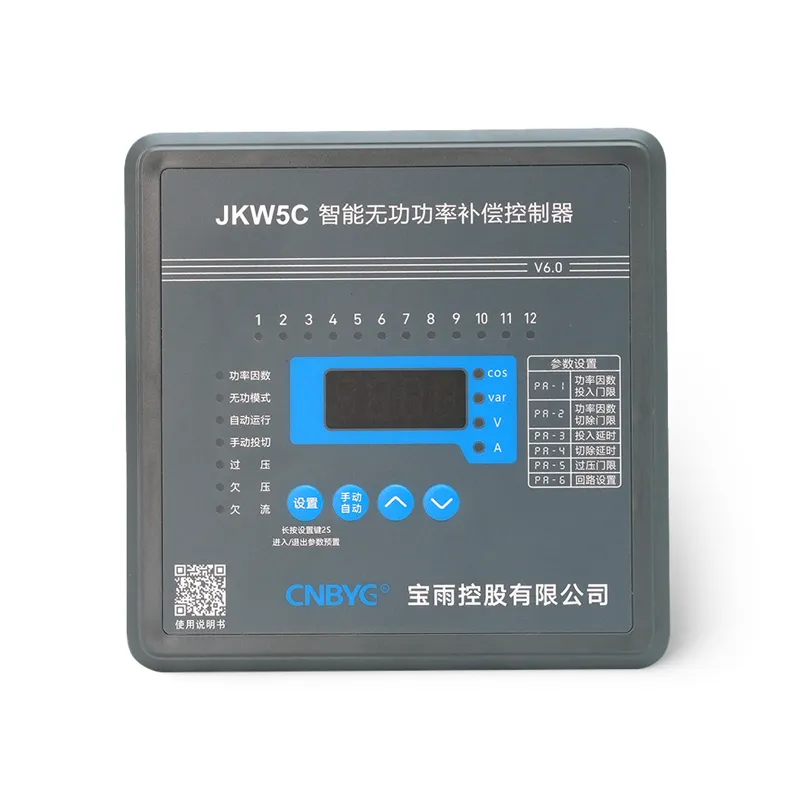
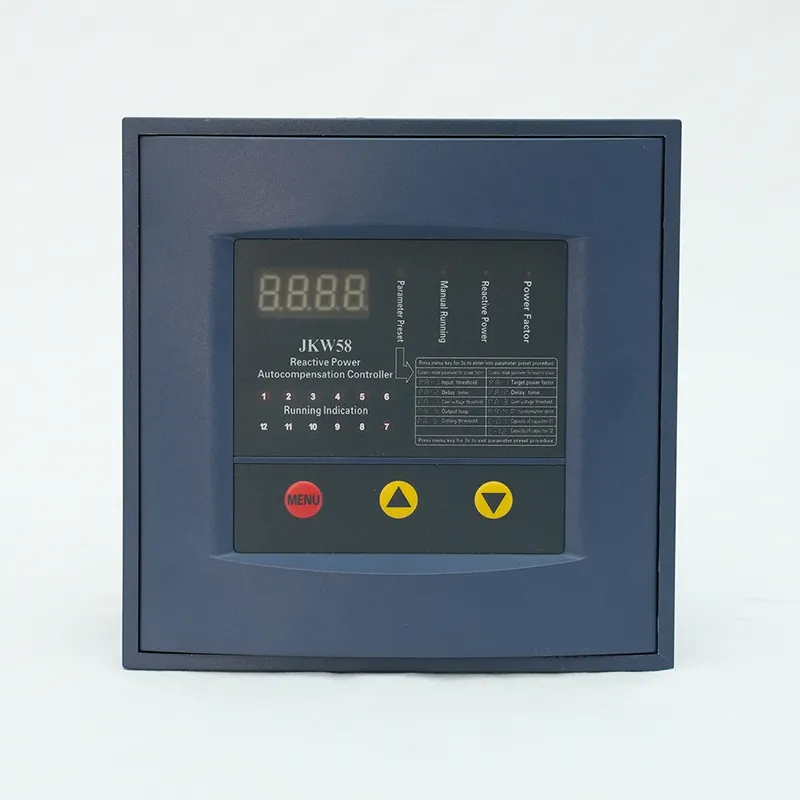
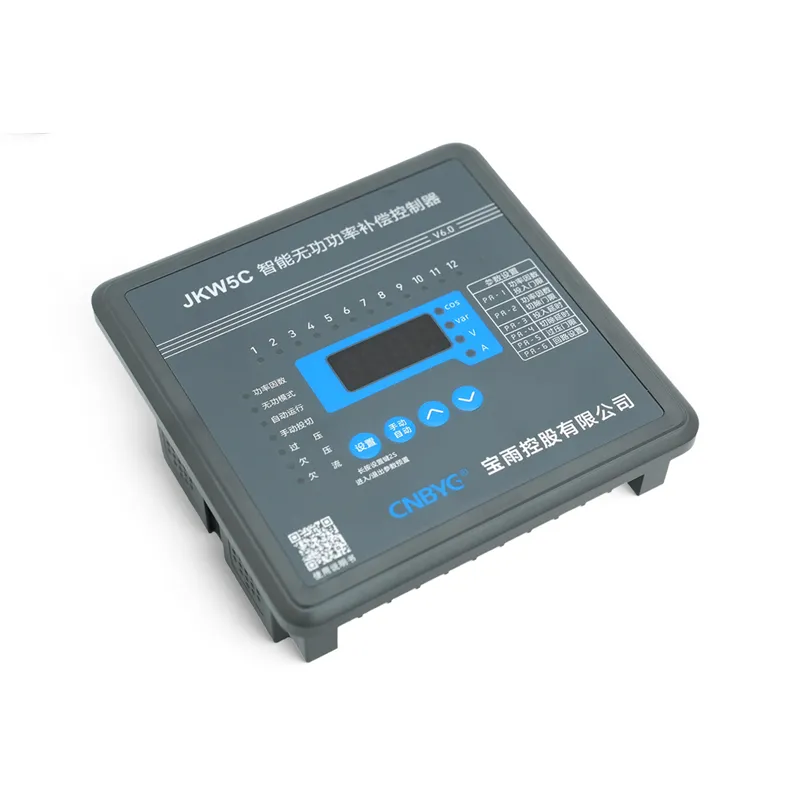
ال صفحة منتج منظم الطاقة غير الفعالة JKW هو مسار سياق المنتج الصحيح بمجرد تحديد سجل الخزانة. تُحدد الصفحة العامة لشركة CNBYG عائلة وحدات التحكم JKW؛ وهي لا تثبت أن طرازاً معيناً، أو إعداداً، أو ترتيب أسلاك يناسب لوحة غير مسماة.
| إرسال مع اقتباس أو مراجعة | لماذا هو مطلوب |
|---|---|
| طراز وحدة التحكم ومراجعة الوثائق | يحافظ على ارتباط الاستفسار بنطاق محدد للمنتج |
| رسم، سجل جهد/أشعة مقطعية وقائمة المراحل | يسمح بالتحقق من الحد الكهربائي |
| سجل التشغيل، الإنذارات ومعيار المشروع المطلوب | يفصل الأدلة عن طلب إعداد غير مدعوم |
أرسل مدخلات وحدة التحكم الموثقة عندما يكون الرسم والملفات جاهزين للمراجعة.
الأسئلة الشائعة
ما هي القيمة المرجعية لمتحكم القدرة غير الفعالة؟
هي قيمة تحكم مسجلة تُستخدم ضمن قياس محدد وترتيب مرحلي. يجب مراجعتها مع الرسم وأدلة التشغيل، وليس التعامل معها كهدف عام.
هل يهم سهم الأشعة المقطعية أو اتجاهها؟
نعم. تعد علاقة محولات التيار (CT) المثبتة جزءاً من حدود القياس، لذا فهي تنتمي إلى سجل المراجعة قبل استخلاص النتائج من الكميات المعروضة.
هل يجب نسخ التأخير من لوحة أخرى؟
لا. يمكن مقارنة سجل التأخير، ولكن القيمة المناسبة تعتمد على وحدة التحكم المسماة، والمراحل، وواجب التشغيل، قيود المشروع.
أي معلومات مسرحية تخص المكان؟
احتفظ بمعرف المسرح، والترتيب، وسجل الأوامر، ومؤشر الحالة المتاحة، ورسم المراجعة الذي يحدد موقع المسرح.
لماذا يتم تضمين السياق الهارموني؟
الظروف التوافقية ذات صلة بمراجعة مجموعة المكثفات. قم بتسجيل الملاحظة وسياق طوبولوجيا الشبكة دون تحويل ذلك إلى تشخيص خاص بالموقع.
متى تكون المراجعة الهندسية مطلوبة؟
اطلب المراجعة المؤهلة للمشروع عندما يتعلق الأمر بتغيير مباشر، أو مشكلة في الحماية، أو حد قياس غير واضح، أو سجل تشغيلي غير عادي، أو قرار قبول.