AHF Operating Instructions: Language and Handover Acceptance
AHF operating instruction acceptance should confirm that the supplied instructions match the delivered active harmonic filter, cover the intended work, and can be understood by the people responsible for that work. A familiar product photograph or an English cover page does not establish any of these points. Before handover, identify the equipment, document revision, language, responsible users and unresolved instructions. The workflow below helps buyers and commissioning teams review the information package. It does not replace the manufacturer’s instructions, certify compliance, or establish a universal legal language requirement for every installation country.
Start with the delivered assembly
Record the installed model, serial number, order reference and assembly identification available through approved access. Obtain the manufacturer’s confirmation that the supplied manual applies to that equipment. A document covering the same product family may contain options, mounting arrangements or terminal descriptions that do not apply to the delivered variant.
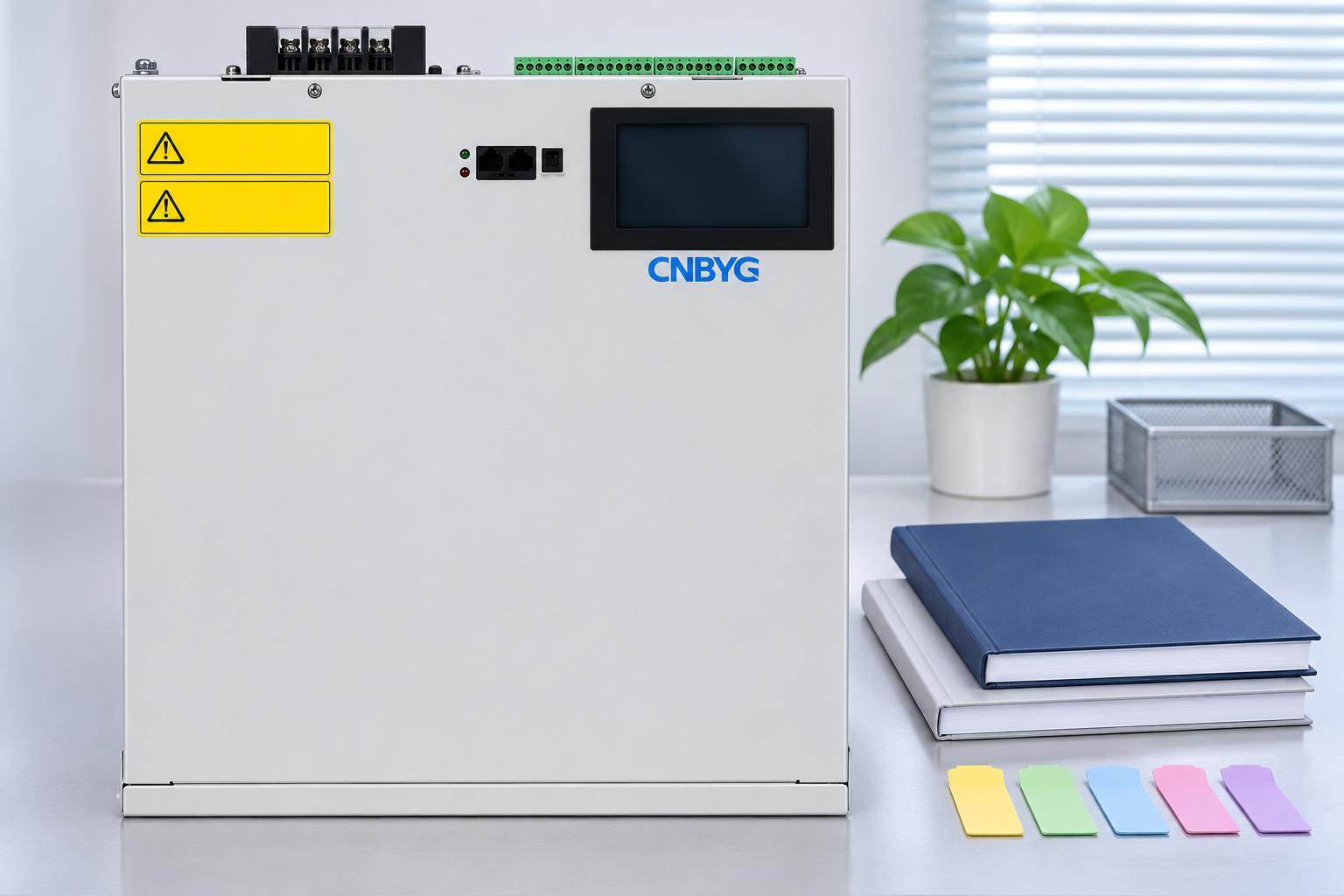
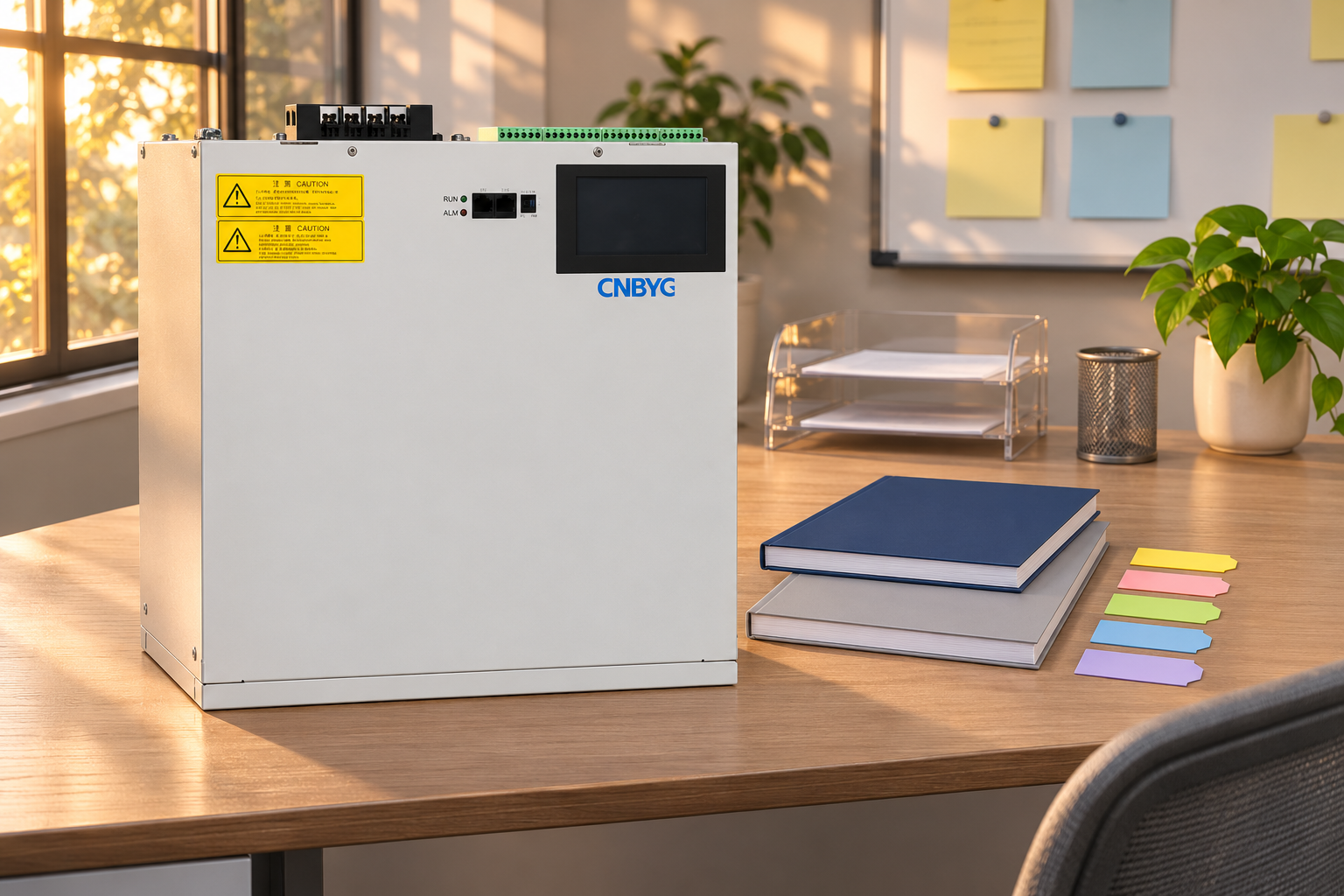
For CNBYG AHF equipment, the public product page is useful for initiating the inquiry. It is not the installation manual for a particular serial number. Ask which instructions belong to the delivered assembly and whether separate documents cover any supplied options. Record the answer in the handover package rather than relying on a salesperson’s informal explanation.
Keep an index linking each document to its function. Installation, operation, maintenance and system integration may be covered in separate files. Where a panel builder supplied an assembled system, establish who owns the system-level instructions. A component manual cannot by itself explain every interface added by the integrator.
Use standards as a framework with clear limits
The official IEC/IEEE 82079-1:2019 description explains its broad scope for preparing product information for use, including complex industrial products. It is a useful framework for discussing the quality and management of instructions. The public description does not provide a complete checklist of clauses or prove that a particular manual meets the standard.
Electrical work also needs competent people and suitable precautions. The HSE Electricity at Work guidance provides that context for Great Britain. Use the applicable law and site rules for the actual project jurisdiction; this article does not transfer UK legal duties to every country or prescribe a mandatory translation regime.
The acceptance questions below are a proposed purchasing and handover method. They should be included in the project requirements where useful and reviewed by the responsible technical team. A ticked checklist has value only when its evidence can be retrieved and applied to the actual installation.
Identify the users before choosing the language package
List the roles that need the instructions: receiving personnel, installers, commissioning engineers, operators, maintenance staff and the site electrical authority. One fluent engineer at handover does not establish that a later maintenance team can use the same package. Shift patterns, contractor turnover and emergency access can expose gaps that remain invisible during a single meeting.
For each role, record the documents and tasks they need to understand. The buyer should distinguish contractual language requirements, local legal requirements and practical comprehension needs. Have the appropriate project or legal owner resolve the first two; have the operational owner confirm the third. Do not describe an informal translation as an approved manufacturer issue unless that status has been established.
If translation is needed, agree how technical terms, warnings, units and document references will be reviewed. Preserve the relationship to the source revision. A translation that was correct for an earlier issue can become misleading after a terminal designation or procedure changes. Language completeness and revision applicability must therefore be checked together.
Apply a practical instruction acceptance matrix
Use a matrix to expose missing evidence rather than to score a manual by page count. The proposed checks below are project recommendations, not verbatim standard requirements. Each unresolved item should identify an owner and the work it affects.
| Check | Evidence to retain | Example of an unresolved issue |
|---|---|---|
| Equipment applicability | Manufacturer confirmation, equipment identity and manual reference | Manual describes a different terminal arrangement |
| Revision and language | Document number, issue date, revision and language designation | Translation refers to an older source issue |
| Role coverage | List of users and the instructions required for their tasks | Maintenance staff cannot understand the available issue |
| Interface clarity | References to drawings, labels and integration instructions | Site drawing and manual use different connection names |
| Task usability | Review record from competent intended users | Required prerequisite cannot be located clearly |
| Availability | Controlled location, access method and offline provision where needed | Instructions require credentials unavailable during maintenance |
| Closure | Supplier response and acceptance decision | An informal explanation has not been added to controlled information |
Use clear outcomes such as accepted, accepted for specified tasks only, or held pending clarification. A limited acceptance should name exactly which activities may proceed under the site’s authority. It must not imply that a purchasing reviewer can authorize electrical work. The site work-control process remains responsible for that permission.
Check a complete task path without operating the equipment
Ask a competent reviewer to walk through one planned task using only the supplied information and approved drawings. This can be a desk review. For installation, the reviewer should be able to find the applicable prerequisites, connection references and acceptance responsibilities without guessing which variant is described. Questions should be recorded rather than answered from memory.
Use the AHF installation checklist to organize the project interfaces. Compare its general prompts with the actual manufacturer’s instructions. If the checklist asks a question the manual does not answer, seek clarification; do not fill the gap with a value copied from another product.
For maintenance, ask how the user will locate the relevant equipment issue and determine whether a task is permitted. Confirm where updated instructions will be available and what happens if the information cannot be accessed. A readable file on the project engineer’s laptop is not an operational distribution plan.
Reconcile labels, drawings and instructions
Create a short list of identifiers that recur across the package: asset tag, model designation, terminal labels, drawing references and document numbers. Compare them through approved records and safe observations. A difference may be a legitimate revision, a translation choice or an error. Record the supplier’s explanation and affected scope before deciding it is harmless.
Pay particular attention to words describing actions and conditions. Terms such as isolated, stopped, disabled and disconnected can refer to different states. The review should ensure that intended users understand the manufacturer’s meaning and the site’s corresponding work procedure. Do not resolve ambiguity by selecting whichever interpretation allows the job to continue fastest.
Where a screen label differs from a translated manual, retain both identifiers and obtain an approved explanation. Do not invent new names that make the local document look consistent while disconnecting it from the equipment. If settings are relevant, the AHF commissioning checklist can help identify which records belong in the authorized commissioning package.
Resolve clarifications through controlled correspondence
Each question should name the equipment, document, revision, page or section, and the intended task. Quote only the necessary passage in the request and explain the ambiguity. A clear question produces a more usable response than sending a complete manual with the message please confirm all correct.
Ask whether the response is a project-specific clarification, a revised document, or a limitation on the permitted work. Record the responder and their authority. If the answer changes the instruction package, update the document index and notify the affected users. Retain the previous issue for history while preventing it from being selected as the current work instruction.
Do not silently combine supplier files, local edits and unofficial translations into one apparent manufacturer manual. If a site supplement is needed, label its owner, scope and revision. Confirm that it does not contradict the manufacturer’s instructions. Refer unresolved conflicts to the responsible engineering authority before affected work proceeds.
Make the handover package usable after the meeting
Provide a final document index that connects the equipment identity to the accepted information. Include the language versions, unresolved limitations, storage location and owner for future updates. Verify that the intended maintenance team can retrieve the files through its normal access route, rather than through a temporary project account.
Agree how future changes will be assessed. A newer file should not automatically replace the accepted issue without checking its applicability to the installed assembly. Conversely, an important supplier correction should not remain unread because the original project folder is considered closed. Assign a person or role to review notifications and update the active package.
Link the accepted instructions to the site’s AHF maintenance planning record. This keeps document availability connected to actual service preparation. Successful acceptance means the responsible team can find applicable information and identify its limits, not simply that a box of manuals was delivered.
Safety context for instruction reviewers
The US Department of Labor video below illustrates the consequences of unsafe electrical panel repair. It supports the work-control discussion in an instruction review: a written procedure, clear responsibilities and competent execution matter. It is not an AHF operating manual, a translation tutorial or evidence that the supplied instructions have been approved.

Frequently asked questions
Is an English manual sufficient for every AHF installation?
That cannot be assumed. Check the project contract, applicable local requirements and the comprehension needs of the intended users. Record the required language package and confirm which manufacturer-issued or approved documents satisfy it.
How do we know a manual applies to the delivered filter?
Match the equipment identity and supplied options to the document reference and revision, then obtain manufacturer confirmation where applicability is unclear. A matching product-family name or photograph alone is insufficient evidence.
Can a local translation replace the source instructions?
Only use it within an agreed review and approval process. Identify the source revision, translation owner and technical review status. Keep the approved source relationship visible and resolve discrepancies before affected tasks proceed.
What should remain open at handover?
Keep any unresolved applicability, language, missing-task or conflicting-instruction issue open with an owner and affected work scope. A document delivery acknowledgment should not be used to conceal an instruction gap or authorize work beyond the site approval process.