EV Charging Station Voltage Fluctuation: SVG Selection Guide
Ev charging station voltage fluctuation is a practical power quality topic for engineers planning APF, SVG, or combined mitigation equipment.
This guide explains what to measure, how to interpret the symptoms, and how to prepare a useful RFQ for CNBYG engineering review.
Related reading: CNBYG solution page, related CNBYG article, and recommended product page.
Part 1. Why do EV charging stations create voltage fluctuation?
Fast charging loads can ramp quickly, operate at uneven utilization, and interact with weak distribution feeders. The result is local voltage movement, reactive power swings, and higher stress on transformers or switchboards.
Part 2. What should be measured at the charging station PCC?
Measure voltage trend, current, power factor, kvar, phase unbalance, THDi, THDv, and charging session peaks. The PCC and the low-voltage charging switchboard may both need logging.

Part 3. How does SVG support charging station voltage stability?
SVG supplies or absorbs reactive current dynamically. This helps maintain power factor and reduce voltage movement when charging demand changes quickly.
Part 4. When is APF also needed?
If charger front ends or nearby nonlinear equipment create high harmonic current, SVG alone is not enough. AHF/APF should be evaluated when TDD, THDi, or voltage distortion is the main issue.
Part 5. How should the SVG be integrated?
Install at the station switchboard or upstream PCC according to the study. Verify CT direction, protection, ventilation, communication, and step-load response during commissioning.
Part 6. What belongs in an EV charging station RFQ?
Provide single-line diagram, transformer data, charger quantity, charger rating, session profile, measured voltage fluctuation, power factor, harmonic spectrum, cabinet space, and monitoring needs.
Part 7. Which CNBYG products fit this project?
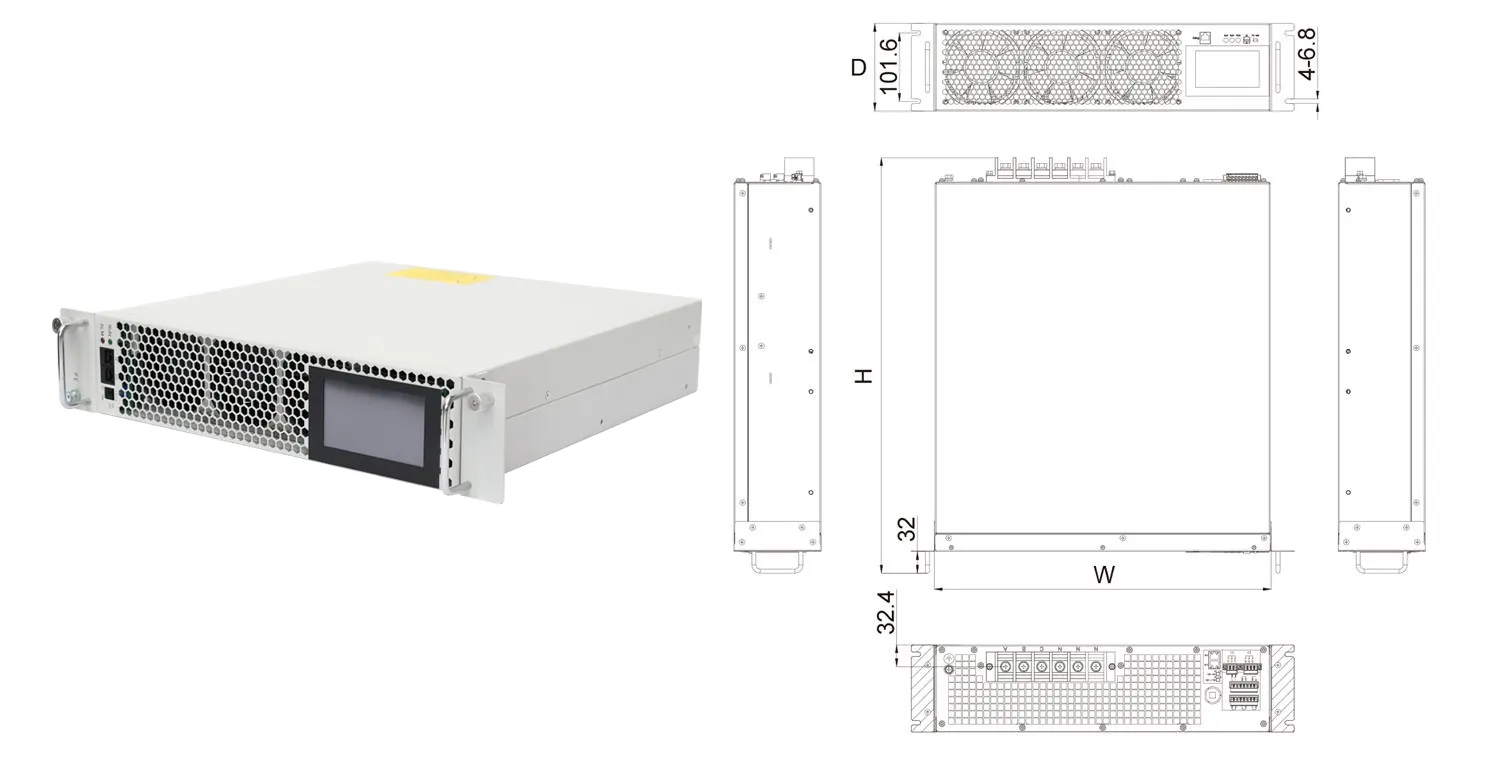
CNBYG SVG Static Var Generators fit dynamic reactive compensation. AHF equipment can be paired if harmonic current also exceeds planning targets.
FAQ
What causes EV charging station voltage fluctuation?
Rapid charger load changes and feeder impedance can move the local voltage during peak sessions.
Can SVG solve charger harmonics?
No. SVG handles reactive power and voltage support; AHF/APF is used for harmonic mitigation.
Where should SVG be installed?
At the charging station switchboard or PCC defined by the power quality study.
What data is needed for sizing?
Voltage, charger ratings, load profile, kvar demand, power factor trend, harmonics, and utility targets.
Does every charging station need SVG?
No. Measurements decide whether reactive power fluctuation or low power factor justifies SVG.
Can SVG work with solar and battery systems?
Yes, but controls should be coordinated with inverter and EMS settings.
What is the main fit boundary?
Final sizing requires measured site data and utility interconnection requirements.
What should buyers ask CNBYG for?
Ask for SVG sizing, cabinet configuration, monitoring options, and APF pairing if harmonics are present.