How Does an Intelligent Reactive Power Capacitor Work?
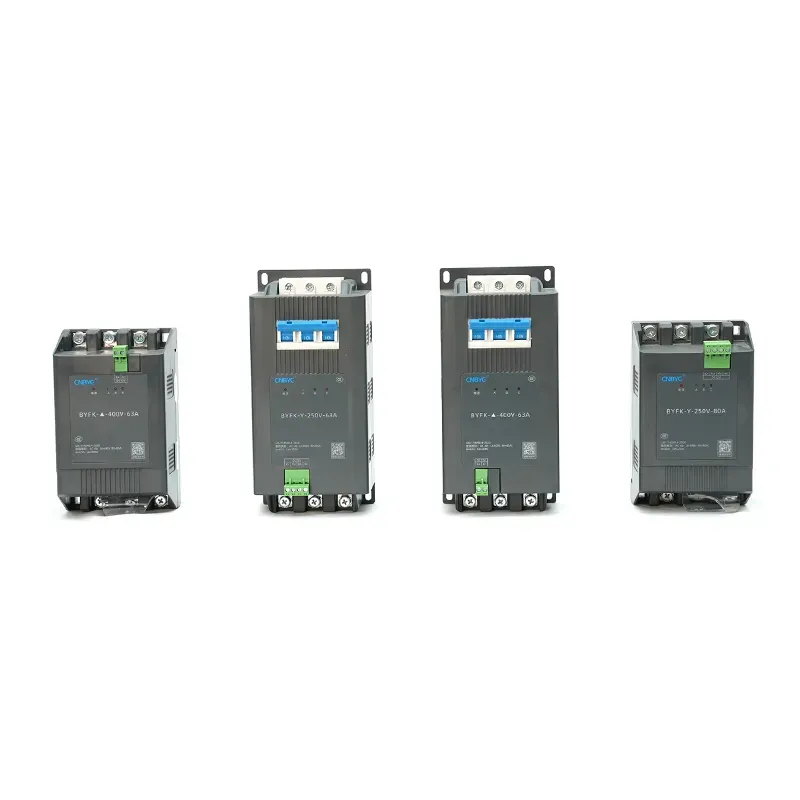
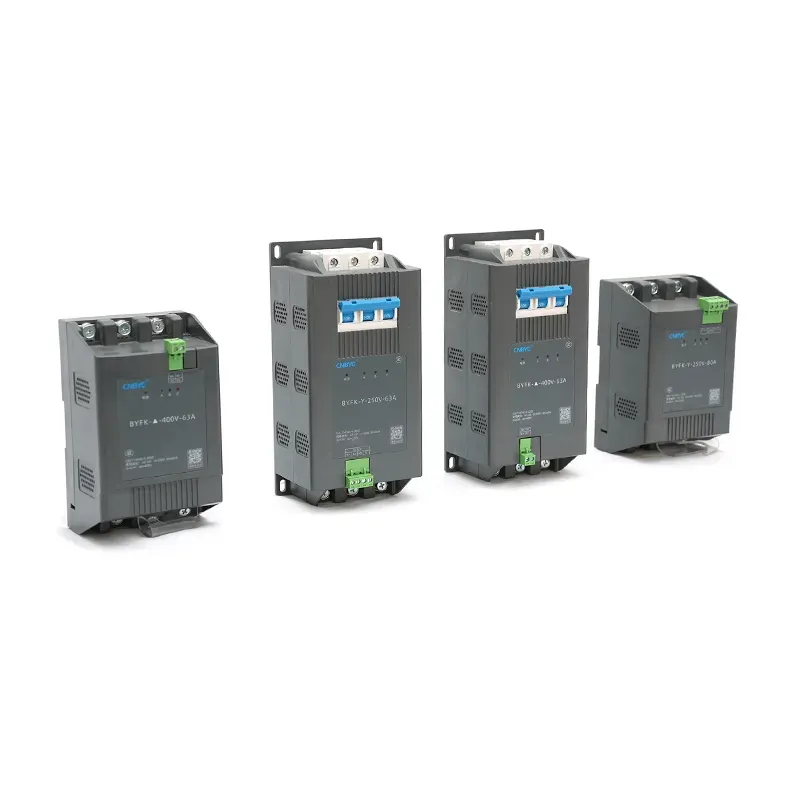
An Intelligent Reactive Power Capacitor (IRPC) is an innovative electrical device that has been developed to support the management of reactive power in power grid systems. It is critical for businesses and organisations to understand how to use this technology in order to achieve improved energy efficiencies and lower energy bills. This will be done by explaining how intelligent reactive power capacitors operate, addressing some frequently asked questions about these devices, and providing insight into the role that they play in today’s electrical networks.
Understanding Reactive Power
In order to start to understand how an IRPC operates, first you need to understand what reactive power means. Reactive Power is described as the Power that flows back and forth between the Supply and Load, measured in KVAR. Reactive power is not useful for doing actual work, but reactive power is required for maintaining the voltages on the Supply Network so that equipment such as Motors and Transformers can be effectively used.
How Does an Intelligent Reactive Power Capacitor Work?
An Intelligent Reactive Power Capacitor utilises advanced technology to dynamically respond to changes in power factor (PF), whereas a standard capacitor functions as a source of reactive power without any intelligence or adaptability. An intelligent capacitor has sensors and microcontrollers integrated that continually measure real time power consumption and the condition of the power grid. In addition, with increasing reactive power demand, the IRPC will switch from off to on (or vice versa) automatically to ensure that the power factor remains stable and that energy is used efficiently.
Benefits of Using Intelligent Reactive Power Capacitors
Integrating an IRPC into your power system offers numerous advantages:
1. Enhanced Power Factor: A proper power factor—between 90% to 100%—will create a more effective use of electrical power. IRPC can help bring your power factor closer to 1.0, thereby reducing the utility’s penalties for poor power factor performance.
2. Reduce Energy Costs: By improving the efficiency of reactive power usage, companies can save a considerable amount of money on their electricity bills. A higher power factor can also reduce the amount of demand charges that utility companies will charge to their customers.
3. Improved System Capacity: Improved reactive power management increases the amount of load that can be placed on existing infrastructures, allowing them to carry greater amounts of load without needing to upgrade existing facilities.
4. Life of Improved Equipment: By keeping an optimal power factor in mind when operating any piece of equipment, wear and tear on the electrical system will be at a minimum, extending the total lifespan of critical devices.
Frequently Asked Questions
How does a capacitor generate reactive power?
A capacitor produces reactive power by absorbing and discharging electric energy. When an AC voltage source is supplied, the capacitor will store energy (charge) then, after some time, it will discharge the stored energy (discharge) causing either positive or negative reactive power flow through the power source (depending on how the capacitor is connected).
What does a PF of 80% mean?
A power factor (PF) of 80% means that there is 80% useable power and 20% wasted reactive power. Thus only part of what’s supplied is actually used, which results in excess cost and inefficient usage.
Why is reactive power measured in kVAR?
Power systems transmit reactive power, like active power, which is measured in kilowatts (kW). Reactive power can be quantified by measuring it using kilovolt-amperes reactive (kVAR). By using the kVAR value, you will know how much reactive power you have or require in your power system.
Applications of Intelligent Reactive Power Capacitors
IRPCs are currently used in many sectors such as manufacturing, commercial buildings, and renewable energy installations. With the push for sustainability and more efficient operations within industry, the importance of intelligent reactive power capacitors will continue to grow as they provide necessary support to maintain good quality electrical power.
Conclusion
The Intelligent Reactive Power Capacitor is a crucial tool for increasing energy efficiency, cutting costs, and providing reliability for electrical system components over time. When implemented properly by an organization, use of Intelligent Reactive Power Capacitor technology creates improved reactive power management (also referred to as “greatly enhanced reactive power management”), which results in improved financial and operational outcomes.