What Is Reactive Power Compensation? Key Concepts Explained
The fields of electrical engineering focus on achieving high-energy efficiency and reliability within industries and utilities. Proper management of reactive power is one of the keys to accomplishing these goals by allowing for proper distribution of electrical power to meet both demand and capacity. This is accomplished through the use of reactive power compensators. What is reactive power? Why do we need to compensate for it? In this article, we review what reactive power is, examine the principles behind conventional compensators, identify the device types used to implement reactive power compensation, and detail the benefits of providing reactive power compensation.
Understanding Reactive Power Compensation
To start with, let’s discuss the concept of compensation; however, first let’s review the definition of reactive power. An AC electrical system has two forms of power: real or active (real) power, which is the amount of electrical energy that is used to perform useful work by loads; and reactive power, which is the form of energy that can be exchanged between sources and loads through electrical and magnetic fields created and maintained by inductive loads (e.g. motors or transformers) and capacitive loads (e.g. capacitors) within the electrical circuit. While reactive power is necessary for the operation of certain pieces of equipment, it does not contribute to productive outputs and will cause inefficiency in any system utilizing this reactive power.
Devices such as induction heaters, motors and transformers require reactive power in order to magnetize the parts of themselves that make them work properly. Reactive power must be managed well otherwise, it will cause increased costs for energy, low system voltage, and higher levels of inefficiency. For this reason it is critical that reactive power is managed and compensated for properly both at the end user or installation level as well as at the grid level.
What Is Reactive Power Compensation?
Let’s move on from getting an overall understanding to moving toward our primary interest, which is the compensation of reactive power. Reactive power compensation uses methods and technologies to reduce or control the reactive component of an electric system to improve the overall power factor, efficiency, and voltage stability of the electric system. When compensation counters or offsets the effects of reactive power, it helps to minimize energy losses from reactive power and enables voltage-sensing devices, to operate properly.
At commercial and industrial locations where large machines and equipment rely heavily on reactive power, reactive power compensation is critical due to low-power factor caused by the use of these machines and equipment that may cause more waste energy use. Compensating for reactive power creates a balance between what is supplied and what is needed, reducing strain on the electrical grid.
How Does Reactive Power Compensation Work?
Providing local reactive power compensation to avoid long transportation from the main source of electricity is fundamental to reactive power compensation. The primary reasons for doing so are twofold: reducing transmitted electrical energy losses via transmission lines and improving voltage stabilization. A few methods or types of devices achieve these goals, such as:
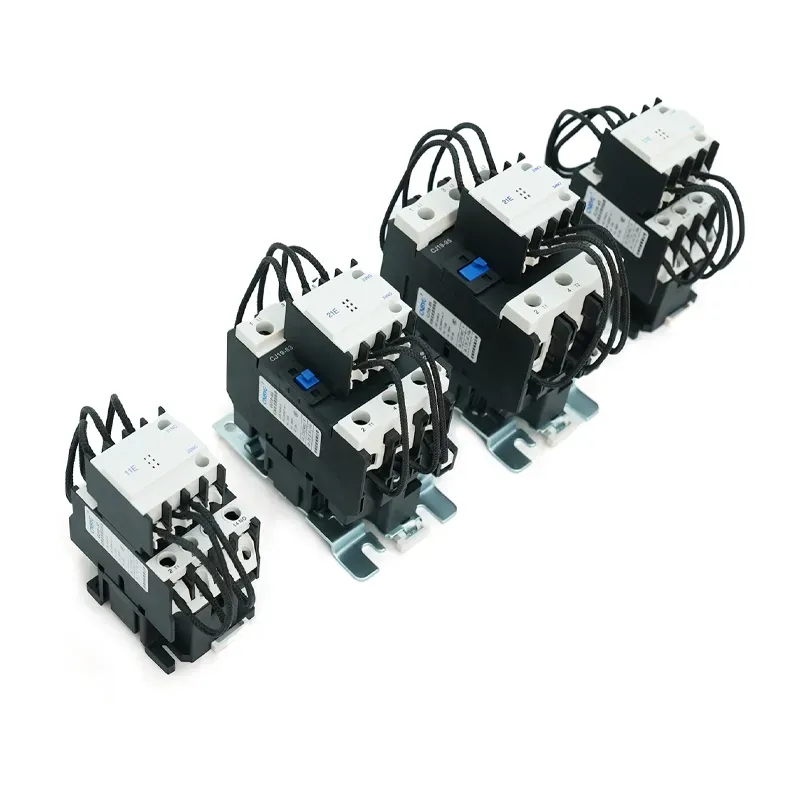
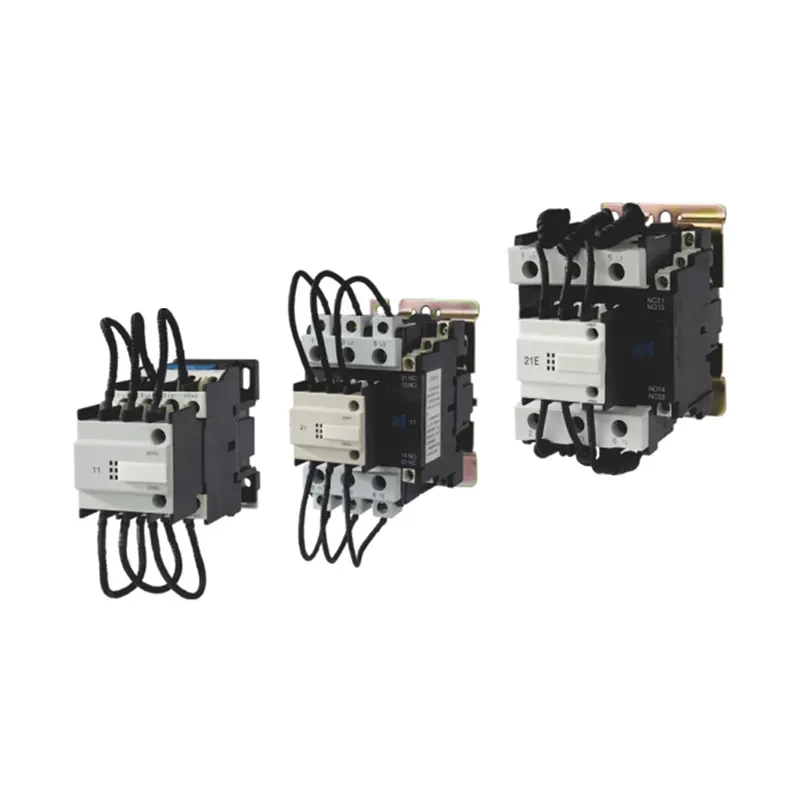
1. Shunt CapacitorsShunt capacitors, the most frequent type of reactive power compensation device, are connected in parallel to load and supply leading reactive power. They cancel out (provide a canceling reactive power to) the inductive load’s lagging reactive power; this improves the power factor and reduces losses.
2. Synchronous CondensersA synchronous condenser is a synchronous machine that doesn’t have any mechanical load when it operates. It’s capable of providing an amount of reactive power to meet your needs or it can also absorb reactive power. Because of its ability to compensate for reactive power management dynamically and effectively, it’s considered a very flexible and dynamic method for managing reactive power.
3. Static VAR Compensators (SVCs)Static Var Compensators (SVC) are sophisticated electronic systems utilized to achieve dynamic compensation of reactive power. They allow for the provision of variable amounts of reactive power through the control of the firing angle of thyristors, providing precise voltage regulation in the electrical network.
Benefits of Reactive Power Compensation
By utilizing reactive power compensation, you can improve your electrical systems’ efficiency and dependability in a variety of positive ways including:
– Enhanced Power Factor: A major benefit of the technology is the ability to increase the power factor of the electrical system. Higher power factors will reduce reactive power demand, hence lowering your electricity bill, as some utility companies may charge penalties for poor power factors.
Reactive power compensation increases voltage stability in the electrical system by providing a more stable voltage profile and preventing fluctuations that can damage sensitive equipment and improve overall system reliability.
Reduced Energy Losses: Because reactive power compensation minimizes the amount of reactive current in electrical transmission lines, it reduces energy losses from the dissipation of heat produced by cables and transformers.
– Compensated network places an increased load on heavy duty Electric grids. Hence, Compensated networks reduce line losses, improve voltage regulation, and therefore allow a transmission or distribution network to carry a larger load without any further investment in infrastructure.
When voltage is regulated and power surges are reduced by means of compensation, electronic equipment experiences lower levels of stress which leads to longer periods of functioning and decreased costs of maintenance.
Frequently Asked Questions
1. What is reactive power compensation?
Reactive power compensation refers to using various methods of controlling reactive power within an electrical system to achieve a better power factor, improve energy efficiency, and stabilize voltage levels. Typical devices used for this purpose include shunt capacitors, synchronous condensers, and static VAR compensators.
2. What is the simple explanation of reactive power?
Reactive power is an element of alternating current (AC) electrical systems whose magnitude changes between a source and load about the source and load. Reactive power is used to create electric and magnetic flux, but it does not perform useful work.
3. What are the principles of conventional reactive power compensators?
The general types of standard compensators rely on methods such as shunt compensation (using parallel capacitors to correct for lagging power factor), series compensation (using series capacitors and/or series reactors to control the flow of electrical energy), and dynamic compensation (using dynamic devices such as a synchronous condenser or a static VAR compensator).
Conclusion
In summary, the use of reactive power compensation is essential to the improvement of electric power systems efficiency, reliability, and economic performance. By understanding the principles, advantages, and value of managing reactive power, industrial and commercial facilities can improve their operations significantly, reduce energy costs, and increase their equipment’s longevity. All types of reactive power compensation methods, including basic capacitor banks and sophisticated devices, such as static VAR compensators (SVC), should be implemented for optimal compensation results.