Plastic Extrusion Line VFD Harmonics: Operating Logs
Plastics plants run extrusion lines where screw-speed setpoints, melt-temperature control, and changeovers shift VFD harmonic current on shared feeders. Assessing plastic extrusion VFD harmonics needs operating logs tied to recipe and line state rather than a single afternoon capture.
Jawaban langsung
Plastics plants run extrusion lines where screw-speed setpoints, melt-temperature control, and changeovers shift VFD harmonic current on shared feeders. Assessing plastic extrusion VFD harmonics needs operating logs tied to recipe and line state rather than a single afternoon capture.
Melt-quality discussions and electrical distortion reviews should stay on separate tracks. CNBYG can discuss AHF/APF context when measured harmonic current is the objective. It cannot establish product dimensional quality, melt stability, or a guaranteed harmonic result. Wider reading: Panduan Teknik Sistem Kualitas Daya.
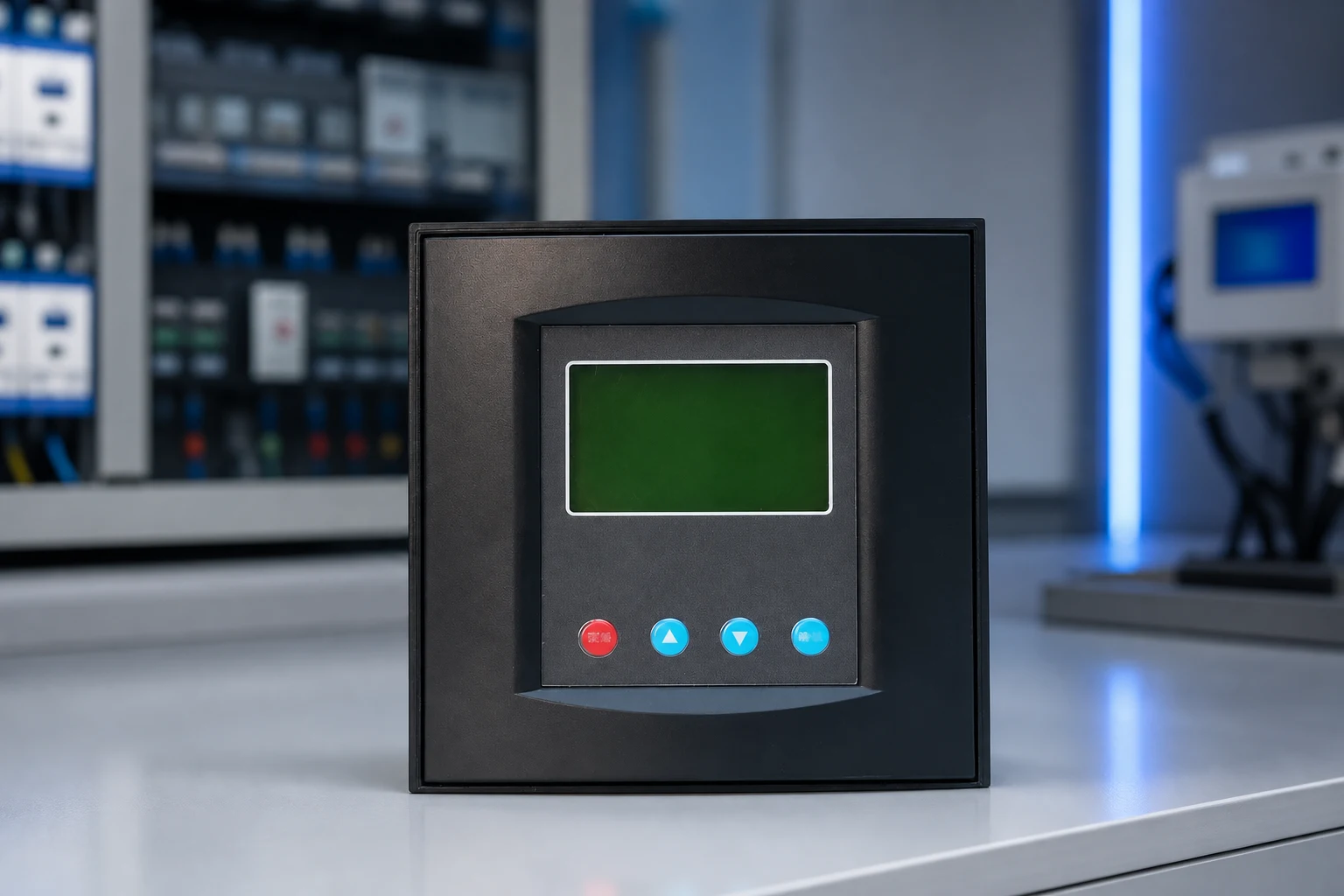
Bound the extruder measurement point
Line feeders characterize screw and haul-off drives; the plant PCC answers a different question. Record CT details, recipe IDs, and line speed with each spectrum.
For extruder main drives, melt pumps, and haul-off VFD groups, log startup heat, steady extrusion, recipe changeover, haul-off speed changes, and planned shutdown. Label resin recipe and line speed with each spectrum, because changeovers can produce brief peaks that matter for demand windows.
Catatan pra-RFQ yang praktis untuk aplikasi ini biasanya mencakup:
- Single-line showing extruder and haul-off feeders.
- Spectra across startup heat, steady run, and changeovers.
- Notes linked to the extrusion recipe and line speed state.
- Capacitor and filter inventory on the plastics bus.
- Demand trends over at least one full production day with changeovers.
| Extrusion log focus | Bukti diperlukan | Keputusan didukung |
|---|---|---|
| Activity at the monitored extruder or line feeder | Spektrum saat ini, tren RMS, status beban, referensi CT | Karakterisasi sumber lokal |
| Aktivitas pada batas sistem | Tren tegangan/arus, data trafo dan hulu | Ruang lingkup mitigasi batas |
| Repeatability across production and changeover cycles | Beberapa jendela pengoperasian berlabel | Perencanaan kapasitas dan komisioning |
| Peralatan terhubung | Inventaris proteksi dan kompensasi satu jalur | Tinjauan interaksi dan integrasi |
Penting: Do not select APF capacity from a single steady-run snapshot without changeover labels (Source: Pengukuran harmonisa VFD dan pemilihan APF). Recipe transitions can create brief peaks that matter for demand windows.
Keep product quality separate from harmonic scope
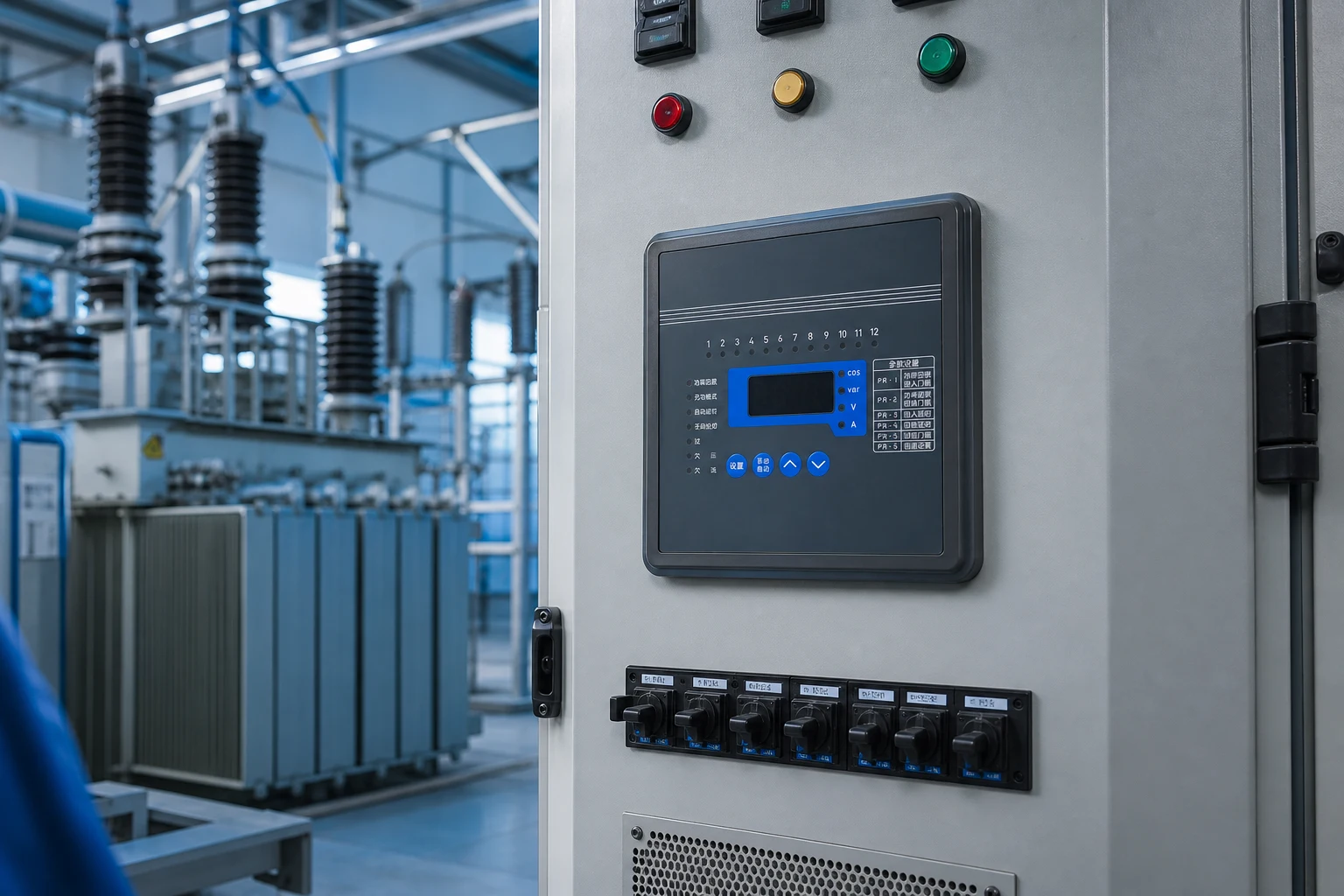
Dimensional drift and harmonic current can appear in the same shift without sharing a root cause. Maintain separate evidence trails and acceptance criteria.
Reference the Gambaran umum IEEE 519 for boundary language, then define the plastics-plant measurement point in the RFQ.
Operators should also record melt-pump status and haul-off speed beside screw setpoints, because those auxiliaries change feeder coincidence. Keep a short note on resin lot identifiers next to the electrical log so process and electrical teams can reconcile timestamps during RFQ review. Those notes are short, but they keep extrusion changeover windows comparable for quotation and later commissioning follow-up on each site.
Mitigation options after recipe-aware logs
AHF/APF is relevant when harmonic-current reduction at the plastics-plant distribution bus or PCC is agreed. SVG may address reactive swings during speed changes. Passive filters need resonance checks against extrusion bus data.
| Kategori mitigasi | Berguna saat | Konfirmasi sebelum RFQ |
|---|---|---|
| AHF / APF | Harmonic-current reduction at the plastics-plant distribution bus or PCC is documented | Spektra, rencana CT, jalur termal, proteksi, uji penerimaan |
| SVG / ASVG | Dukungan daya reaktif cepat adalah tujuan utama | Profil tegangan, kompensasi yang ada, kendali, pengujian andal (commissioning) |
| Penyetelan pasif | Studi sistem menunjukkan fungsi yang disetel stabil atau tidak disetel dengan stabil | Tinjauan resonansi, kebijakan peralihan, akses pemeliharaan |
| Perubahan operasional | Jadwal atau pengaturan shift mengubah permintaan secara signifikan | Persetujuan pemilik dan implementasi yang didokumentasikan |
Assemble an extrusion-line RFQ evidence pack
Before suppliers quote, assemble recipe-labeled spectra, changeover tables, CT notes, and a marked-up plastics single-line. Clarify whether the decision is local extruder troubleshooting, plant-bus assessment, or harmonic-current mitigation. Show steady-run and changeover windows side by side.
Require the quote to declare covered orders, heat-near-cabinet limits, and acceptance tests. Include headroom for future lines and list capacitors on the plastics bus. Name who labels recipes and who signs the acceptance checklist.
Add barrel-heat clearance notes, changeover outage slots, and a glossary of recipe codes so steady-run and transition files remain distinguishable. Include CT polarity checks, sample intervals, and a note describing which lines shared the plastics bus during each capture. Record expected spare headroom for future extruders and keep the acceptance checklist owner named before quotation begins.
Tinjau Halaman Filter Harmonik Aktif CNBYG AHF using recipe-aware extrusion spectra. The welding-load guide on Pengukuran harmonisa VFD dan pemilihan APF illustrates another duty-cycle logging pattern.
Installation around production calendars
Capture cabinet placement away from hot barrels, cable routes, and changeover outage slots. Acceptance tests should replay recipe bands from the baseline log.
The related manufacturing scenario in harmonisa robot las di pabrik otomotif shows how recipe-aware logs support commissioning comparisons.
Plastics-plant inquiry checklist
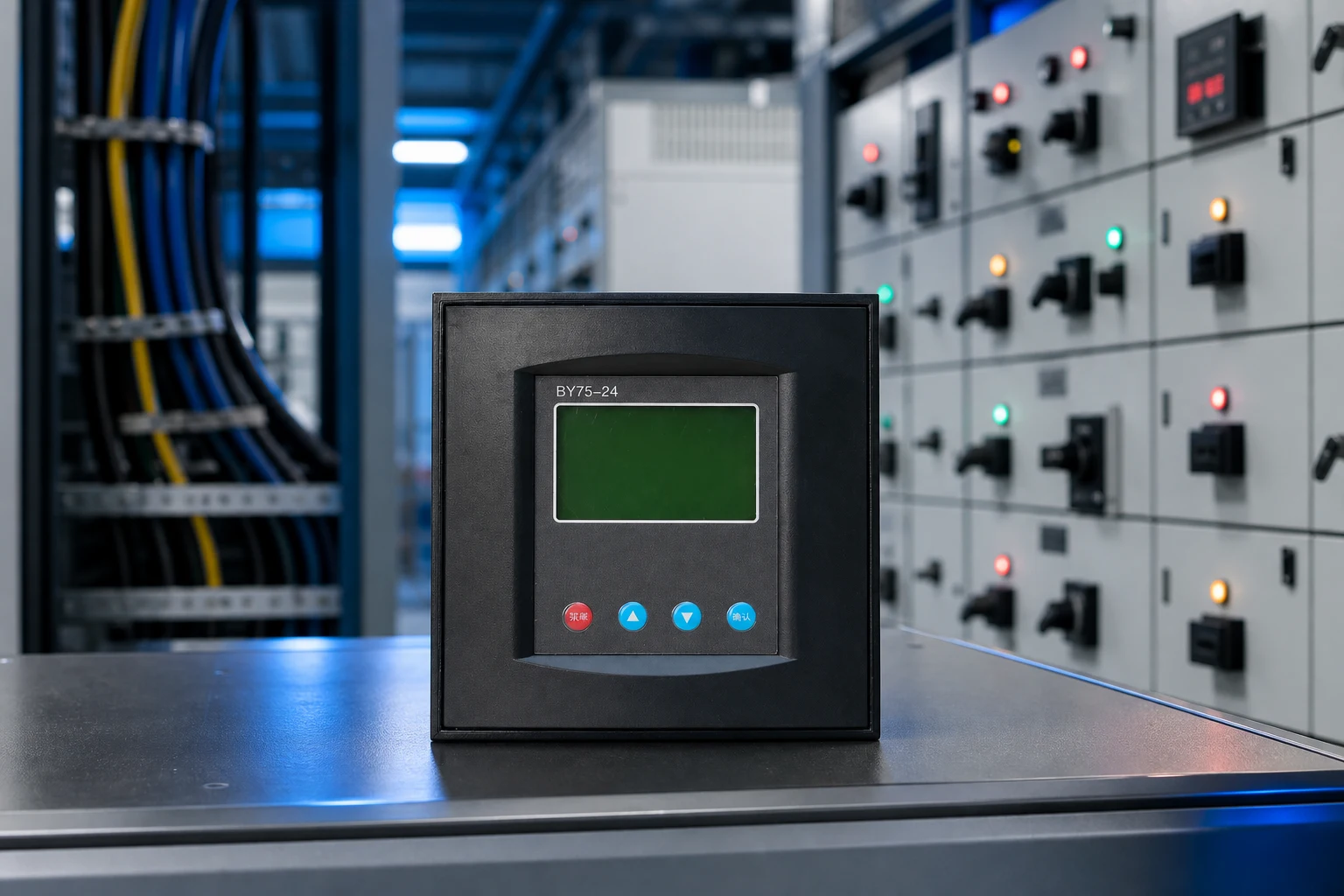
Include single-line data, recipe-labeled spectra, drive inventory, compensation details, and space or cooling notes. CNBYG can review product-line fit and must not guarantee product dimensional quality, melt stability, or a guaranteed harmonic result. Use the Halaman kontak CNBYG.
Pertanyaan yang sering diajukan
Why log recipe and line speed with extrusion harmonics?
Screw torque and haul-off duty change with recipe, so unlabeled spectra cannot support a reliable mitigation scope.
Should each extruder have its own meter point?
Measure where the mitigation decision applies; add per-line feeders when bus data points to a specific source.
Does this article confirm product-quality outcomes from harmonic mitigation?
No. Dimensional quality and melt stability require process engineering beyond a harmonic logging guide.
Apakah satu pengukuran cukup untuk memilih peralatan mitigasi?
Usually not for extrusion lines. Recipe bands, changeovers, and capture length determine whether capacity talk is justified.
Can mitigation equipment be sized from extruder nameplate kW alone?
No. Nameplate kW is context; measured spectra and operating logs set the capacity basis.
Apakah artikel ini menjamin hasil kepatuhan atau operasional?
No. Product quality, network conditions, and commissioning remain plant-specific.