Masalah Kualitas Daya di Bangunan Komersial
Commercial building power quality problems appear when the electrical supply and connected equipment are incompatible under actual operating conditions. Symptoms may include equipment resets, drive trips, lighting flicker, overheating or poor power factor. They do not all have the same cause. Begin with a clear symptom record, identify the affected electrical boundary, and measure voltage, current and relevant events before selecting corrective equipment. A building-wide investigation should separate supply disturbances, internally generated distortion and local installation faults so that each remedy addresses an established mechanism.
This guide explains how to organize that investigation for offices, mixed-use buildings and other commercial facilities. It is intended for owners and facility teams working with qualified electrical professionals. It does not replace site safety procedures, equipment instructions or the adopted electrical and power quality standards.
Start with the operational consequence
Write down what stopped working, when it happened and which areas were affected. “Several computers restarted during a lift journey” identifies an event and location. “Bad power” does not. Include alarm messages, business impact, recovery time and any recent changes to equipment or electrical distribution.
Different complaints may share one cause, or several mechanisms may occur together. A building can experience supply voltage dips while also having nonlinear loads and an overloaded local circuit. Solving the harmonic problem would not automatically resolve the other conditions. Keep the investigation open until evidence supports a specific explanation.
Distinguish equipment sensitivity from abnormal supply conditions. A device may have limited ride-through capability even when other equipment operates normally. Obtain its applicable operating requirements and compare them with measurements at the point where it is supplied. Avoid declaring the entire building network defective solely because one device failed.
Classify voltage problems and current problems separately
Voltage variations and events describe the supply seen by equipment. Current harmonics describe the way loads draw current from that supply. Current distortion can contribute to voltage distortion through the network impedance, but the two quantities cannot be used interchangeably. A high feeder current distortion percentage does not by itself establish unacceptable voltage at the service entrance.
Reactive demand adds another distinction. A displacement power factor problem and a distortion contribution to true power factor can require different remedies. The billing method may also define what the owner is charged for. Read the utility agreement before treating a compensation device as an assured financial saving.
Connection heating, insulation deterioration, incorrect protection or overloaded conductors require installation investigation. These are not interchangeable with power quality phenomena. Qualified personnel should inspect the relevant installation condition alongside recordings, rather than using a monitoring campaign to postpone a confirmed repair.
| Problem category | Bukti yang berguna | Pertanyaan tipikal | Remedy boundary |
|---|---|---|---|
| Voltage dips or interruptions | Timestamped voltage event records at affected and upstream points | Is the event shared across the building? | Filtering alone cannot restore lost supply |
| Voltage distortion | Voltage spectrum, location, time and operating state | Does distortion increase with an internal load group? | Assess network and load interaction |
| Harmonik arus | Current spectrum, fundamental current and load schedule | Which components and loads contribute? | Select compatible mitigation from measured current |
| Reactive demand | Power quantities and representative demand records | What part of the power factor issue is displacement? | Choose compensation suited to the network |
| Equipment resets | Equipment requirements, alarms and local voltage events | Does the equipment response match the recorded event? | Compare ride-through and supply remedies |
| Local overheating | Current, connections, installation details and thermal evidence | Is heating electrical loading or connection related? | Correct confirmed installation defects |
The table describes investigation questions rather than universal acceptance limits. Assessment must follow the actual utility boundary, applicable local rules and project requirements.
Map the building before choosing measurement points
Obtain an up-to-date single-line diagram. Identify the supply point, transformers where applicable, major distribution boards, critical equipment and separate tenant or service areas. Check whether recent fit-outs have changed the diagram. Inaccurate distribution records can lead to measurements on a circuit that does not supply the affected equipment.
Create a simple measurement map linked to the complaints. If several unrelated areas fail simultaneously, a shared upstream point is useful. If a single room or machine is affected, its local supply and immediate upstream feeder need comparison. For source allocation, simultaneous recordings help avoid comparing different operating conditions as if they were the same event.
Yang ada panduan penempatan meter kualitas daya explains the value of comparing upstream and downstream locations. Keep temporary instrument installation within the approved electrical work process. Instrument ratings, leads, connection method and isolation requirements must suit the actual installation.
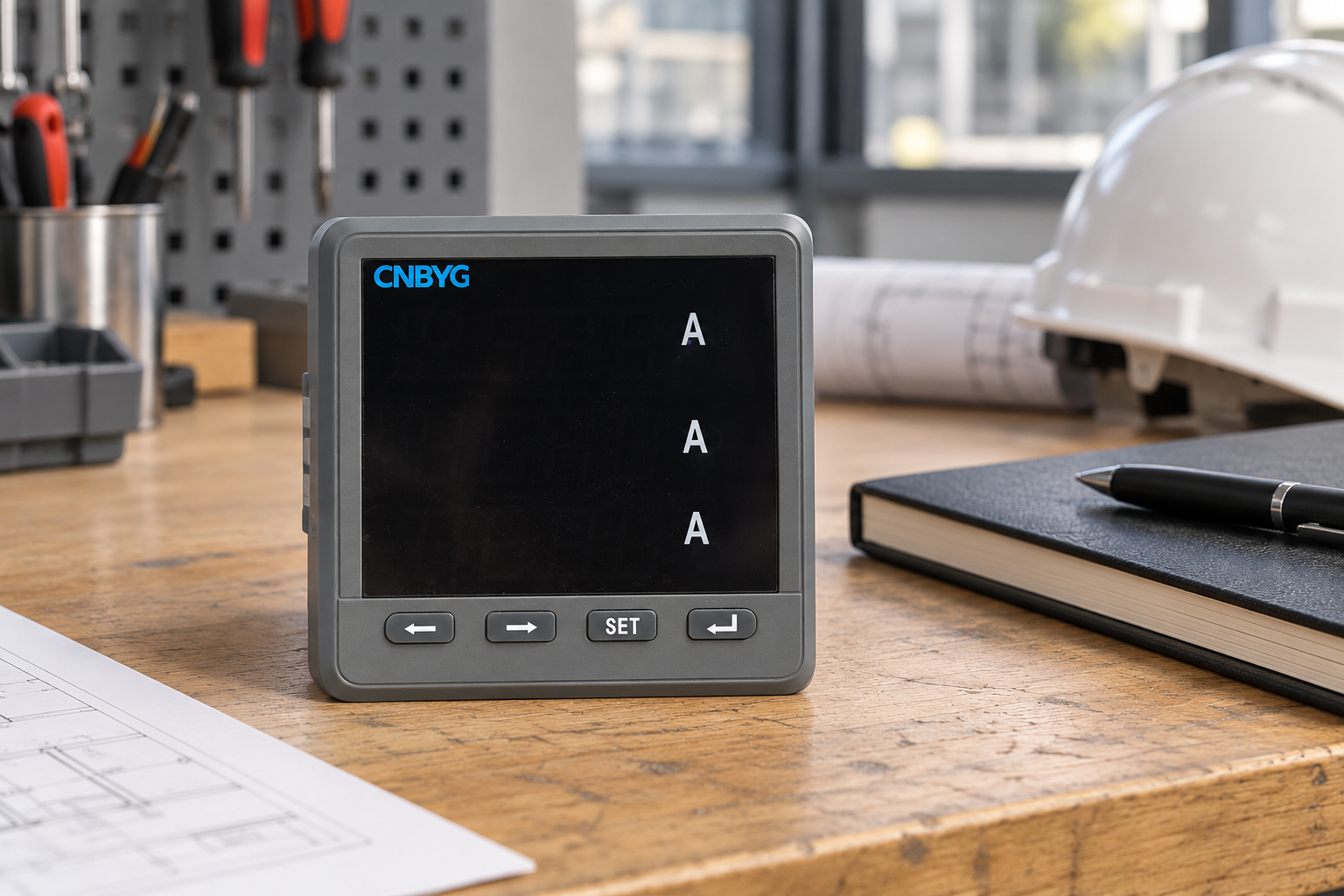
Do not assume that a permanent panel meter has every recording capability required. A cURL Too many subrequests by single Worker invocation. To configure this limit, refer to https://developers.cloudflare.com/workers/wrangler/configuration/#limits cURL Too many subrequests by single Worker invocation. To configure this limit, refer to https://developers.cloudflare.com/workers/wrangler/configuration/#limits.
cURL Too many subrequests by single Worker invocation. To configure this limit, refer to https://developers.cloudflare.com/workers/wrangler/configuration/#limits.
cURL Too many subrequests by single Worker invocation. To configure this limit, refer to https://developers.cloudflare.com/workers/wrangler/configuration/#limits
cURL Too many subrequests by single Worker invocation. To configure this limit, refer to https://developers.cloudflare.com/workers/wrangler/configuration/#limits.
cURL Too many subrequests by single Worker invocation. To configure this limit, refer to https://developers.cloudflare.com/workers/wrangler/configuration/#limits.
cURL Too many subrequests by single Worker invocation. To configure this limit, refer to https://developers.cloudflare.com/workers/wrangler/configuration/#limits.
cURL Too many subrequests by single Worker invocation. To configure this limit, refer to https://developers.cloudflare.com/workers/wrangler/configuration/#limits cURL Too many subrequests by single Worker invocation. To configure this limit, refer to https://developers.cloudflare.com/workers/wrangler/configuration/#limits. Include measurement locations, settings, instrument details, operating conditions and the limits of the evidence so that another engineer can understand the findings.
Interpret distortion with load level and spectrum
A distortion percentage needs context. At a lightly loaded feeder, a large percentage may coexist with a relatively small absolute harmonic current. Conversely, a lower percentage at a heavily loaded circuit can represent more current that the mitigation equipment must handle. Keep the relevant RMS and fundamental quantities alongside harmonic components.
Look at individual components rather than relying entirely on one total number. The panduan spektrum harmonik explains this distinction. Spectrum changes across operating modes may help identify a contributing load group, but they are not a substitute for checking the actual electrical path.
Three-phase four-wire systems also need attention to neutral current. Fundamental phase balance does not guarantee low neutral current when harmonic components are present. Assess the neutral with appropriate measurements and installation information. Do not infer conductor acceptability from a single thermal image or a panel meter phase-balance display.
Use the right standard and reporting boundary
Itu Publikasi IEC 61000-4-30 addresses power quality measurement methods. Confirm the adopted edition, instrument evidence and reporting requirements for the project. If the investigation has contractual consequences, agree on those details before recording begins.
Itu Publikasi IEC 61000-4-7 provides a reference for harmonic measurement methods. Grouping, aggregation and instrument settings affect comparisons. Record the chosen method rather than placing results from unrelated settings in the same before-and-after table without explanation.
A service entrance, a tenant feeder and the utility-defined point of common coupling are not automatically the same assessment boundary. Requirements used at one boundary may not apply unchanged to another. Identify the purpose of each measurement and avoid copying numerical limits into a report without checking their applicability.
Select an intervention from the cause
Correct confirmed defects first. A damaged connection or equipment fault may require immediate action under the site’s electrical maintenance process. Repeat relevant measurements after correction so that any remaining issue is not confused with the repaired defect.
For harmonic current, assess a compatible filter solution using the measured spectrum, load range, supply arrangement and sensing requirements. Do not choose a filter from transformer capacity alone. For reactive demand, evaluate compensation with the network conditions and distortion already established; blindly adding capacitors can introduce an unsuitable interaction.
For voltage events and interruptions, the options may involve equipment ride-through, protection coordination, backup arrangements or discussion with the supply provider. The actual remedy depends on the event and business requirement. A harmonic filter is not an uninterrupted power source. Keep procurement documents clear about which phenomenon the equipment is expected to address.
Installation details matter as much as the headline product category. Sensing position, current transformer arrangement, available space, environmental conditions and maintenance access must be checked against the selected equipment instructions. A general engineering article should never be used as a substitute wiring diagram.
Verify outcomes and maintain a change record
Define acceptance around the original complaint and applicable measurements. Compare baseline and post-intervention records under representative, reasonably comparable conditions. State changes in occupancy, weather, tenant equipment or operating schedules that affect interpretation.

Keep the final report, settings and instrument information with the building maintenance records. Document which problems were resolved, which were outside the scope and which require ongoing monitoring. An absence of an equipment alarm is useful, but it does not by itself prove that all power quality quantities or operational complaints meet the acceptance plan.
Review the evidence after significant fit-outs or equipment changes. Commercial buildings evolve, and a measurement campaign describes a particular operating condition. A practical change process helps the owner identify whether a new complaint coincides with a tenant or landlord modification without restarting the investigation from guesswork.
Pembelajaran lebih lanjut: standar dan pemantauan
This NPTEL lecture introduces power quality standards and monitoring. It provides general educational context for selecting measurement methods and interpreting records. It does not certify the pictured product or replace the building-specific investigation.
Saksikan Power Quality: Standar dan Pemantauan
Pertanyaan yang sering diajukan
What should be checked first after repeated equipment resets?
Catat cap waktu yang tepat, lokasi yang terpengaruh dan alarm peralatan, lalu bandingkan bukti kejadian tegangan lokal dan hulu. Tinjau persyaratan operasi peralatan sebelum mengaitkan pengaturan ulang dengan mekanisme kualitas daya tertentu.
Apakah faktor daya yang buruk bukti dari masalah harmonik?
Tidak. Perpindahan dan distorsi keduanya dapat mempengaruhi faktor daya, dan definisi penagihan juga penting. Ukur kuantitas daya yang relevan dan perilaku harmonik sebelum memilih peralatan kompensasi atau penyaringan.
Can a normal panel meter replace a power quality analyzer?
Hanya jika kemampuan yang didokumentasikan memenuhi tugas tertentu. Indikasi biasa tidak boleh diasumsikan mampu menangkap kejadian singkat atau menerapkan metode pengukuran khusus. Verifikasi fungsi spesifik model dan bukti instrumen.
How should a building owner judge a proposed solution?
Wajib mencantumkan mekanisme masalah yang dijelaskan secara spesifik, batas pengukuran, kondisi dasar yang representatif, dokumentasi peralatan yang sesuai, serta rencana penerimaan yang terkait dengan keluhan awal. Hindari proposal yang hanya didasarkan pada angka distorsi umum atau kapasitas transformator yang terpasang.