APFC Panelleri İçin Kondansatör Yükü Kontaktörü Seçimi
Kondansatör görev kontaktörü seçimi; kondansatör anahtarlama ani akımını, sürekli akımı, mevcut arıza seviyesini, kademe kvar değerini, gerilimi, frekansı, ortam sıcaklığını, anahtarlama hızını, deşarj süresini, yukarı akım kapasitansını ve koruma ile koordinasyonu hesaba katmalıdır. Aynı amper değerine sahip standart bir motor kontaktörü otomatik olarak uygun değildir. Kondansatör görev tasarımları, ana kontaklar kapanmadan önce ilk geçici durumu sınırlamak için yaygın olarak erken kapanan yardımcı kontaklar ve ön ekleme dirençleri veya üretici tarafından belirlenen başka bir yöntem kullanır. Eksiksiz görev için test edilmiş üretici tablolarından seçim yapın, ardından bobin gerilimini, kullanım kategorisini, pano koşullarını, iletken kesitini, korumayı ve kontrol zamanlamasını doğrulayın. Panos fotoğraflarından veya yalnızca nominal akımdan hareketle boyutlandırma yapmayın.
- Kondansatör anahtarlaması neden farklıdır
- Yerleştirme öncesi yolu anlayın
- Elektrik yükünü belirleyin
- Kontrol ve mekanik detayları kontrol edin
- Taburcu ve yeniden bağlantı işlemlerini koordine edin
- Koruma ve reaktör koordinasyonu
- Arıza belirtileri ve kanıtları
- Satın alma şartnamesine ne konulmalı
- Fabrika ve saha kabul kanıtı
- İlk servis süresinden sonra kontaktörü kontrol edin
- Karar tablosu
- Kaynaklar ve daha fazla okuma
- Sık sorulan sorular
Kondansatör anahtarlaması neden farklıdır
An uncharged capacitor initially presents a very low impedance to a sudden voltage difference. Closing onto the bus can therefore create a high, short-duration current limited by source impedance, conductors, reactors, resistors, and any already energized capacitors. Back-to-back switching can be more severe because an energized bank contributes to the transient. The contactor must withstand repeated making duty without contact welding, excessive erosion, nuisance operation, or damage to nearby components. The event is transient, so a clamp meter's normal current display cannot characterize it.
Yerleştirme öncesi yolu anlayın
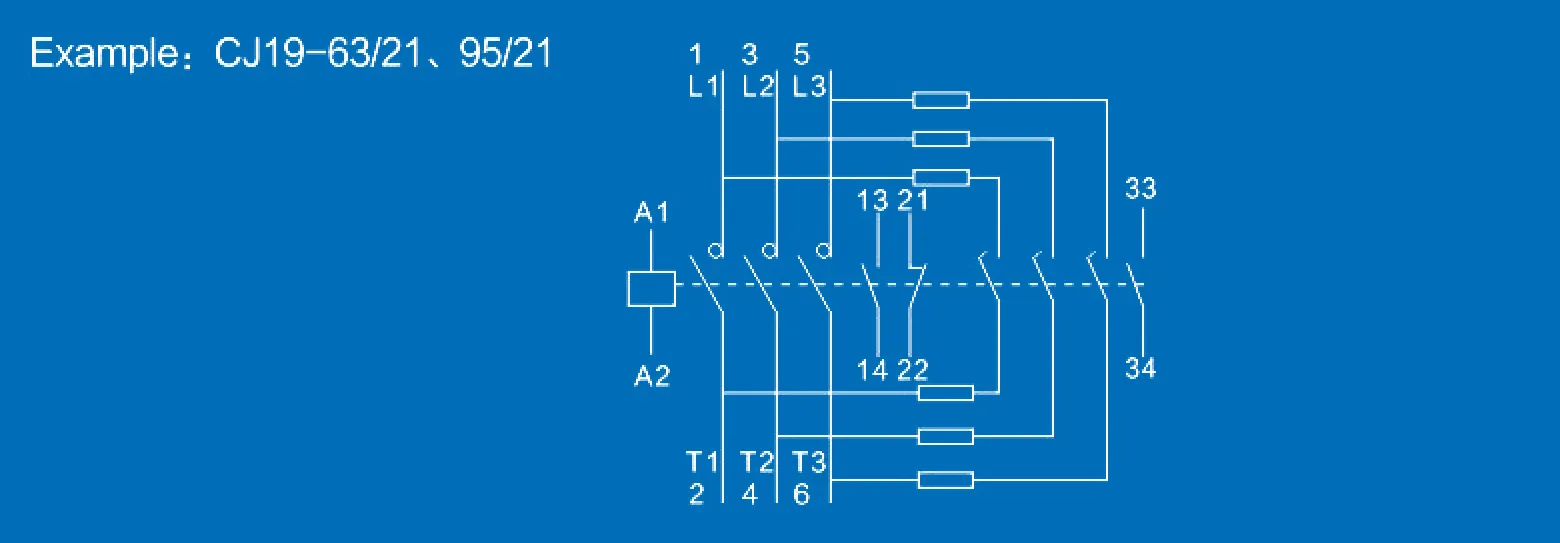
Pek çok kondansatör tipi kontaktör, ana kontaklardan önce sönümleme dirençleri üzerinden yardımcı kontakları kapatır. Geçici yol transient akımı sınırlar; ardından ana kontaklar sürekli akımı taşır ve yardımcı yol sürekli çalışmadan çıkarılır. Kesin zamanlama ve yapı, test edilen cihazın tasarımına aittir. Direnç değerlerini, yardımcı blokları veya mekanik bağlantıları değiştirmeyin. Yedek parçaları eksiksiz bir montaj grubu olarak inceleyin. Fiziksel olarak uyumlu gibi görünen bir kontaktör, amaçlanan sıralamayı tekrarlamayabilir veya aynı yüke dayanamayabilir.
Elektrik yükünü belirleyin
Record line voltage, frequency, capacitor step kvar at actual voltage, connection, reactor presence, prospective short-circuit current, upstream transformer, other energized banks, and expected switching frequency. Calculate balanced line current from kvar and voltage as an initial check, but use the manufacturer's capacitor-duty selection table for final device choice. Capacitor current can exceed the ideal nameplate calculation because of voltage variation, capacitance tolerance, and harmonic content. Determine whether the application is single-stage, multi-stage, or back-to-back switching and state the worst operating condition.
Kontrol ve mekanik detayları kontrol edin
Bobin voltajını, frekansını veya DC spesifikasyonunu, kontrol gücü toleransını ve kontrolör çıkışını eşleştirin. Geri besleme, kilitlemeler ve alarmlar için gereken yardımcı kontakları onaylayın. Montaj yönünü, terminal kapasitesini, sıkma torkunu, mekanik boşlukları ve değiştirme erişilebilirliğini kontrol edin. Muhafaza sıcaklığı oda sıcaklığından yüksek olabilir; beyan edilen değer düşürme (derating) ve havalandırma kurallarını uygulayın. Daha büyük bir gövde; yanlış bobin voltajı, aşırı anahtarlama frekansı veya zayıf termal tasarım için bir çözüm değildir.
Karar tablosu
| Seçim girişi | Görevi neden değiştiriyor | Kanıt | Yaygın hata |
|---|---|---|---|
| Adım kvar, voltaj ve frekans | Temel kol akımını belirler | Onaylı banka takvimi | Yalnızca kadro boyutuna göre seçme |
| Enerji verilmiş aşamalar | Art arda geçici katkı oluşturabilir | Tek hat ve anahtarlama sırası | Yalnızca kaynak kalkış akımının önemli olduğu varsayıldığında |
| Reaktör veya sönümleme yöntemi | Empedansı ve geçici davranışı değiştirir | Onaylı reaktör-kondansatör montajı | Uyumsuz bileşenleri karıştırma |
| Anahtarlama hızı ve minimum kapalı kalma süresi | Termal gerilmeyi, aşınmayı ve kalıntı gerilmeyi etkiler | Yük profili ve kontrolör ayarları | Çok kısa gecikmeler kullanarak |
| Kondenser ve muhafaza durumları | Güvenilir kapanmayı ve sıcaklık artışını etkiler | Kontrol şeması ve termal tasarım | Bobin voltajını görmezden gelerek kontak boyutunu artırmak |
| Koruma ve arıza seviyesi | Koordinasyon ve dayanım ihtiyaçlarını tanımlar | Kısa devre ve koruma çalışması | Operasyonel kalkış akımını tek akım olarak ele almak |
Taburcu ve yeniden bağlantı işlemlerini koordine edin
Bağlantısı kesilmiş bir kondansatör, deşarj sistemi voltajı düşürene kadar yükü muhafaza eder. Çok erken yeniden kapatma, anahtar üzerinde büyük bir voltaj farkı ve daha şiddetli bir geçici durum oluşturabilir. Kondansatör ve anahtarlama tertibatı gereksinimlerini karşılamak için kontrolör gecikmesini programlayın ve deşarj cihazının mevcut ve sağlam olduğunu doğrulayın. Çok kademli panolarda, rotasyon mantığı minimum kapalı kalma süresini engellememelidir. ABD Enerji Bakanlığı, yük değişimine göre sabit ve anahtarlamalı düzeltmeyi birbirinden ayırır; anahtarlama gerekli olduğunda, tüm zamanlama ve görev çevrimi mühendislik tasarımıyla belirlenmelidir.
Koruma ve reaktör koordinasyonu
Review branch fuses or breakers, conductor ampacity, short-circuit withstand, contactor coordination, reactor thermal duty if used, and upstream protection. A detuned reactor changes branch current and transient behavior, so select the contactor for the approved reactor-capacitor assembly rather than a capacitor-only assumption. Protection should clear faults without being selected so tightly that normal charging events cause nuisance operation. Use tested combinations where required and document the coordination basis.
Arıza belirtileri ve kanıtları
Welded or heavily pitted main contacts can indicate excessive inrush, failed pre-insertion components, rapid cycling, back-to-back duty beyond rating, or short reconnection delay. Overheated terminals suggest loose connections, undersized conductors, poor crimping, high ambient temperature, or continuous overcurrent. Coil chatter points to control-voltage drop or unstable commands. Repeated resistor damage may indicate the auxiliary path remains engaged incorrectly or switching exceeds its duty. Record switching count, stage current, thermal condition, command history, and component state before replacing the contactor with a larger one.
Satın alma şartnamesine ne konulmalı
Specify system voltage and frequency, stage kvar and connection, reactor details, calculated and expected current, switching arrangement, back-to-back condition, maximum operations per time period, minimum off-time, ambient and enclosure temperature, altitude if relevant, coil supply, auxiliary contacts, protection coordination, terminal and conductor requirements, standards, documentation, and acceptance tests. Request the exact capacitor-duty table and declared utilization category. This information lets the supplier select a tested device instead of guessing from an ampere value.
Fabrika ve saha kabul kanıtı
At the factory, confirm device identity, wiring, terminal torque records, control sequence, auxiliary feedback, protection, and the declared capacitor-duty combination. At site, record bus voltage, stage current balance, reactive-power change, command and feedback timing, minimum off-time, temperature after representative operation, and any abnormal sound or chatter. Capturing a switching transient requires suitable bandwidth, probes, and a safe measurement plan; ordinary panel meters are not enough. Store baseline photographs and values with the commissioning record so later pitting, overheating, or nuisance trips can be compared with the accepted condition. Repeat the review after a capacitor, reactor, controller, transformer, or switching sequence changes because each can alter the duty seen by the contactor.
İlk servis süresinden sonra kontaktörü kontrol edin
A post-commissioning inspection can reveal problems that a short acceptance test misses. Under the site's approved maintenance procedure, check terminal tightness, discoloration, insulation condition, coil supply, auxiliary feedback, abnormal vibration, and temperature patterns. Review controller logs for rapid cycling, aborted commands, or operation counts above the design assumption. Compare each stage's current and kvar contribution with the baseline; a declining or unbalanced response can indicate a capacitor, fuse, connection, or reactor problem that increases contactor stress. If contact wear is inspected, use the manufacturer's acceptance criteria rather than filing, polishing, or judging appearance alone. Correct the root cause before installing a replacement, and update the duty record whenever operating schedules or upstream capacitor stages change. Document every replacement by exact device, date, stage, cause, corrective action, and final measured response.
How this topic connects to CNBYG equipment
This guide supports specification and commissioning discussions for the Capacitor switching contactor product line. Product data must be checked against the actual system voltage, load profile, harmonic measurements, protection design, environmental conditions, and applicable project requirements. Share a single-line diagram and representative measurements before requesting a model recommendation.
Related CNBYG engineering guides
- compare a power contactor and capacitor-duty contactor
- understand point-on-wave capacitor switching
- review contactor duty in harmonic networks
Kaynaklar ve daha fazla okuma
The U.S. Department of Energy motor-driven systems guide explains where fixed and automatically switched power-factor correction can fit industrial load patterns. OSHA 1910.333 provides the U.S. baseline for de-energizing and electrical work practices. IEEE 519 is the standards-body reference for harmonic control at the point of common coupling. Apply the current editions and local requirements for the project.
Further learning: MIT OpenCourseWare Lecture 4: Power Factor. The MIT lecture explains power factor and distortion; it does not replace project-specific equipment instructions.
Sık sorulan sorular
Normal bir kontaktör bir kondansatör grubunu anahtarlayabilir mi?
Yalnızca kondansatör anahtarlama görevi için açıkça onaylanmış bir cihaz ve nominal değer kullanın. Eşit bir motor akımı değeri yeterli kanıt değildir.
Kondansatör kontaktörleri neden direnç kullanır?
Ön ekleme dirençleri olan tasarımlarda, ana kontaklar sürekli akımı taşımadan önce kapama geçici rejimini geçici olarak sınırlandırırlar.
Kondansatör kontaktörü akımı nasıl hesaplanır?
Dengeli bir üç fazlı kol için ideal akım, Q'nun √3 katı hat gerilimine bölünmesiyle elde edilir, ancak nihai seçim üreticinin yük tablolarını ve uygulama faktörlerini gerektirir.
Minimum kapalı kalma süresi neden önemlidir?
Kondansatörün yeniden bağlanmadan önce deşarj olmasını sağlayarak voltaj farkını ve geçici gerilimi azaltır.
Final engineering note: Treat formulas and checklists as screening tools. Installation, protection, commissioning, and energized testing must be performed by qualified personnel using approved drawings, product manuals, studies, and site safety procedures.