Reactive Power and Harmonic Compensation Devices: A Complete Guide
Electrical Engineering is a field where it is important to understand how reactive power and harmonic compensation work together within an electrical system. In this article we will discuss the importance of reactive power, as well as devices used to compensate for harmonic distortion; how they work and the benefits they provide to various industries.
What Are Reactive Power and Harmonic Compensation Devices?
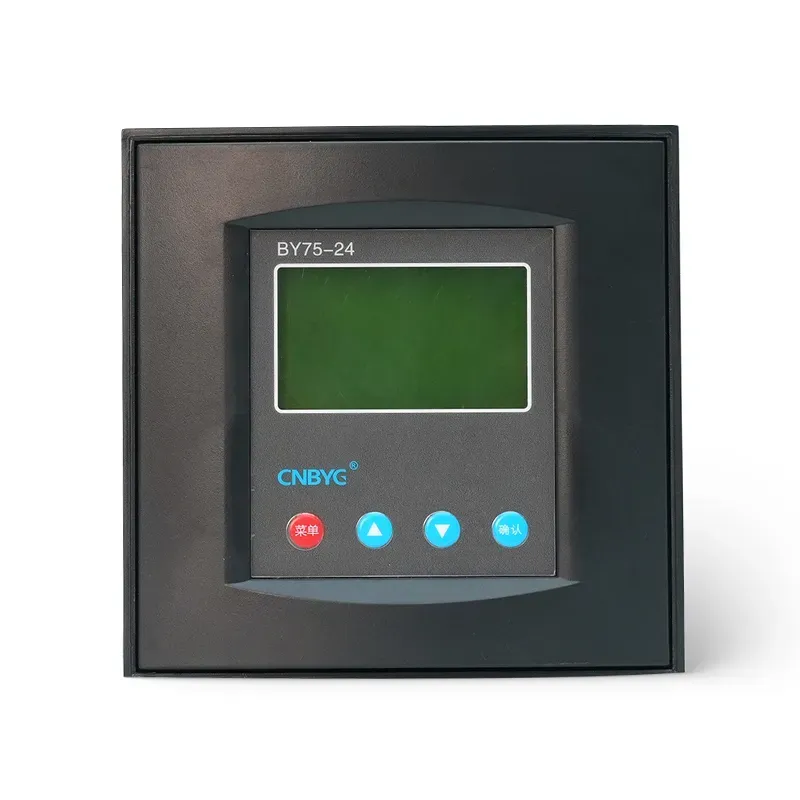
Reactive power is the component of electric power that creates the electric and magnetic field of inductive or capacitance devices. It does not produce any work, but it is an essential component in maintaining the necessary voltage levels that will enable the active power to flow properly across the grid. Harmonic power compensation devices are also used to reduce or correct the distortions caused by harmonic distortion of electrical voltage/currents due to non-linear loads.
Vue ou l’usage?
Types of Reactive Power and Harmonic Compensation Devices
Different types of reactive power and harmonic compensation devices are available, each offering specific functions that improve system performance:
1. Capacitor Bank is one of the most common applications of Reactive Power Compensation, Boosting the Voltage Level, and Improving Power Factor to Electrical Networks.
2. Reactive Power Support Through Synchronous Motors: These electrically rotating motors also offer Dynamic Reactive Power Support, then they have real-time adjusting capabilities as per the Grid’s need(s).
3. Static VAR Compensators (SVCs) dynamically control voltage and reactive power output to maintain stability under changing loads.
4. Active Harmonic Filters: These devices inject opposing currents into an electrical system as a means of eliminating harmonic distortion actively.
5. Passive Harmonic Filters: They exist to trap a specific harmonic frequency and absorb it, which reduces its level of impact on the electrical network.
Key Benefits of Using Compensation Devices
The integration of reactive power and harmonic compensation devices offers a host of advantages:
– Power Quality Improvement: This improves overall quality of electrical power by stabilizing voltage levels and eliminating harmonic distortion.
– Extending the lifespan of equipment longer by a reduction in harmonic and voltage variation so as to protect equipment subject to sensitive conditions against premature damage.
– More Efficient Operation of Your Facility: Improved voltage control results in less lost energy and better overall performance of your facility. You’ll save money as a result.
– Regulatory Compliance: Many industries fall under laws and regulations pertaining to power quality. These devices assist businesses in maintaining compliance with those standards and ultimately help avoid penalties.
Common Applications and Industries
Reactive power and harmonic compensation devices find applications across a wide range of sectors:
– In factories, many of which have large inductuctive loads, the use of this technology can help to increase the efficiency of using electricity while increasing factory productivity.
– Utilities maintain stability in electrical distribution networks through the use of energy utilization systems.
– Commercial Buildings: Large commercial facilities use these devices as a means of increasing their energy efficiency and lowering their electricity expenses.
Data Centres: Reliable power quality is essential for the smooth operation of a data centre and to avoid service interruptions.
FAQ: Frequently Asked Questions
1. Why is reactive power compensation important?
The importance of reactive power compensation lies in its ability to support the voltage level that allows for an efficient flow of power through the grid, which reduces energy losses and helps to avoid system instability.
2. What issues are caused by harmonics in power systems?
Problems caused by harmonics include heating of electrical equipment, decreased efficiency, increased energy consumption, and interference with sensitive electronic equipment. Harmonic compensation devices will provide effective solutions to these problems.
3. How do capacitor banks work for reactive power compensation?
Capacitor banks are used to supply capacitive (nonactive) power to counteract the inductive (nonactive) power, thereby improving the power factor of the system and helping to stabilize the system voltage.
4. Are harmonic filters necessary for all systems?
Not every system requires harmonic filters; however, those that have high levels of non-linear loads or that have strict power quality requirements should use them. Harmonic filters provide benefits such as lowering distortion levels and ensuring regulatory compliance.
5. How can I determine the right compensation device for my application?
When deciding which compensation device is best for you, consider various factors like electrical load size/type, system setup, how you want your power supplied, and what your budget allows. A professional can assist with finding an appropriate compensation device to suit your individual requirements.
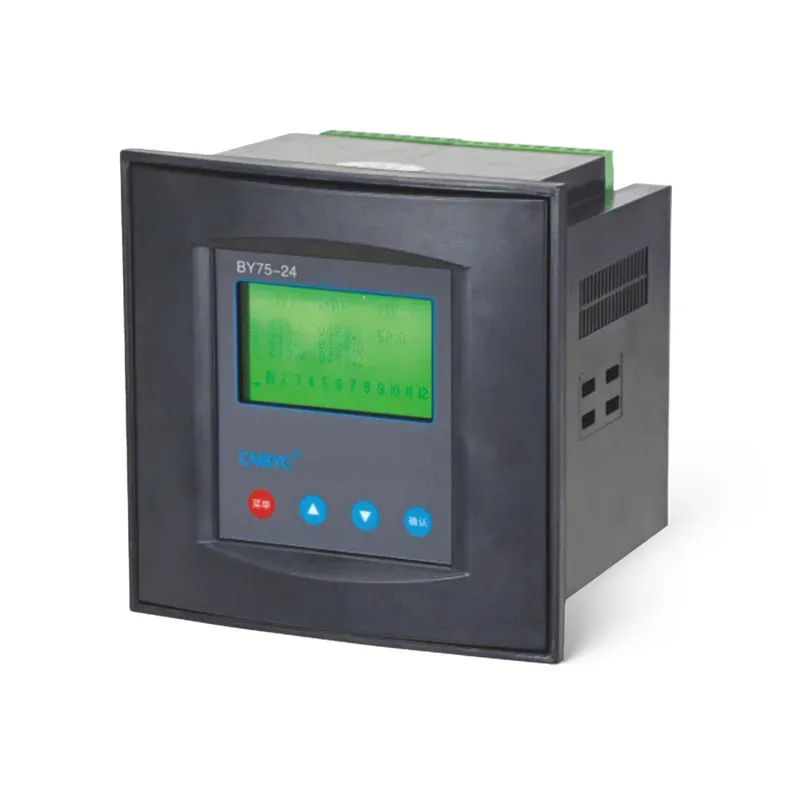
In Summary, using and knowing how to use reactive power compensation devices and harmonic substitute devices are necessary elements for improving electric systems’ efficiency and reliability. The many kinds of devices and the applications of those devices show how valuable these devices are to the various industries that can help companies lower operating costs while complying with regulatory agencies. By focusing on improving power quality companies will be able to achieve both short-term gains as well as ultimately establish a business model that contributes toward sustainable practices.