Reactive Power and Harmonic Compensation Devices Overview
Reactive power and harmonic compensation devices address two related but distinct problems: poor power factor and nonlinear load distortion in modern plants. This guide focuses on practical evaluation steps for U.S. industrial and commercial buyers—measurement, documentation, and lifecycle support—not generic marketing claims. Where equipment selection is involved, cross-check public specifications on cnbygele.com and confirm project-specific limits with your utility or consulting engineer. Section checklists can be reused as RFQ attachments and commissioning handover outlines.
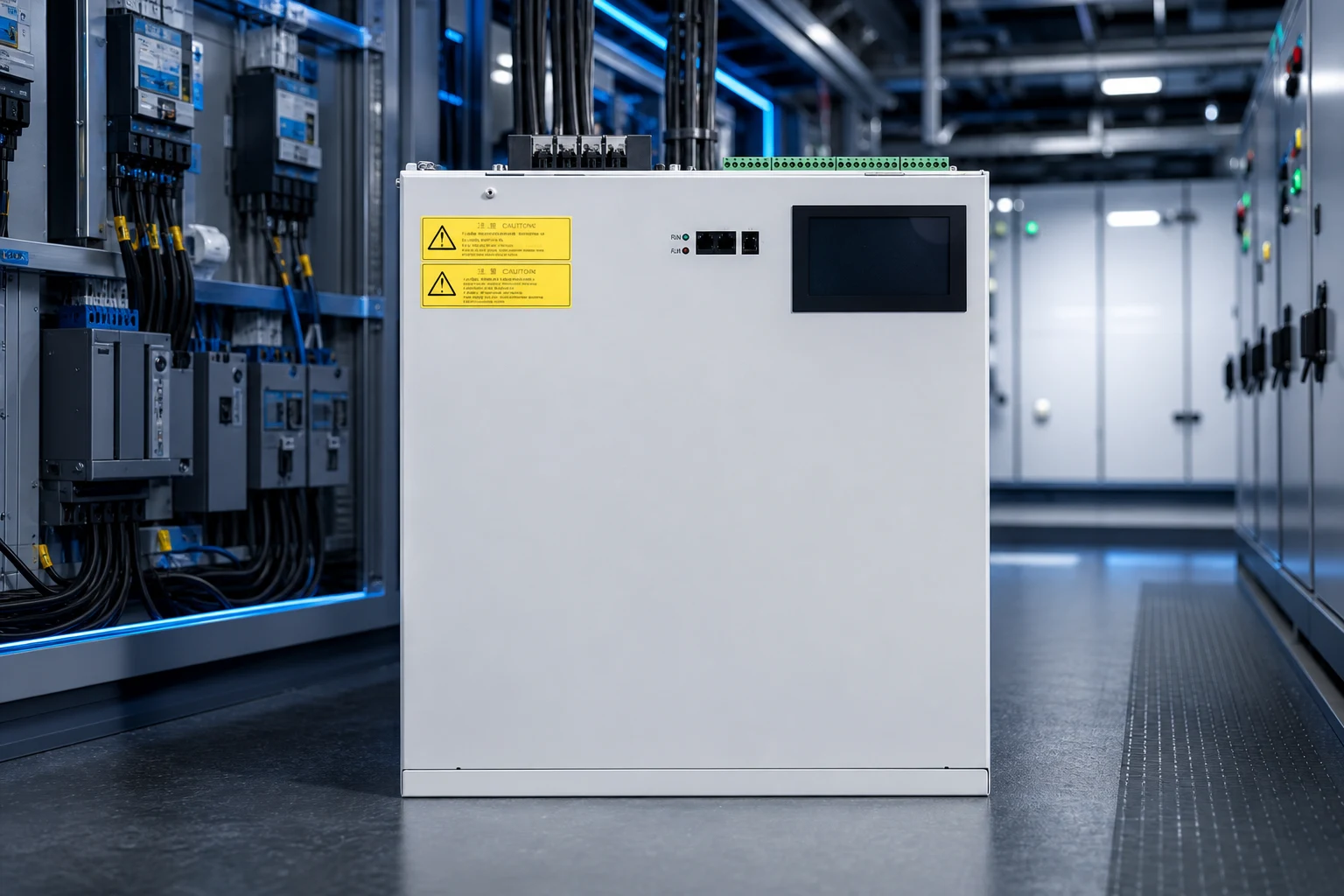
Part 1. Reactive Power Devices
Capacitor banks, detuning reactors, and SVG units improve power factor and voltage profile.
Nonlinear loads draw current in pulses, creating harmonic currents that propagate through the distribution system.
IEEE 519 is widely referenced in the U.S. for harmonic limits at the point of common coupling—confirm applicability with your utility contract.
active harmonic filters inject opposing harmonic current to cancel distortion at the source or feeder level.
Capture nameplate data, single-line drawings, and utility interconnection rules in the RFQ package to reduce back-and-forth during technical review.
If your site mixes linear motors and nonlinear electronics, treat harmonic and reactive targets as linked requirements rather than separate purchases.
Define acceptance criteria before shipment—power factor, step response, or THD at agreed load points—so commissioning disputes are less likely.
Part 2. Harmonic Mitigation Devices
Passive filters and active power filters (APF) reduce THD from VFDs, UPS, and rectifier loads.
Passive tuned filters provide harmonic mitigation for specific orders but require careful resonance analysis with existing capacitors.
Detuning series reactors with capacitor banks shifts resonance away from dominant harmonic orders in some designs.
Neutral conductors in systems with triplen harmonics may carry higher current—verify conductor sizing during design.
Capture nameplate data, single-line drawings, and utility interconnection rules in the RFQ package to reduce back-and-forth during technical review.
If your site mixes linear motors and nonlinear electronics, treat harmonic and reactive targets as linked requirements rather than separate purchases.
Define acceptance criteria before shipment—power factor, step response, or THD at agreed load points—so commissioning disputes are less likely.
| Device | Primary function | Typical application |
|---|---|---|
| Capacitor bank | Power factor | Motor loads |
| Detuned reactor | Avoid resonance | Capacitor + harmonics present |
| APF | Harmonic cancellation | Data centers, VFD halls |
| SVG | Fast reactive support | Dynamic loads |
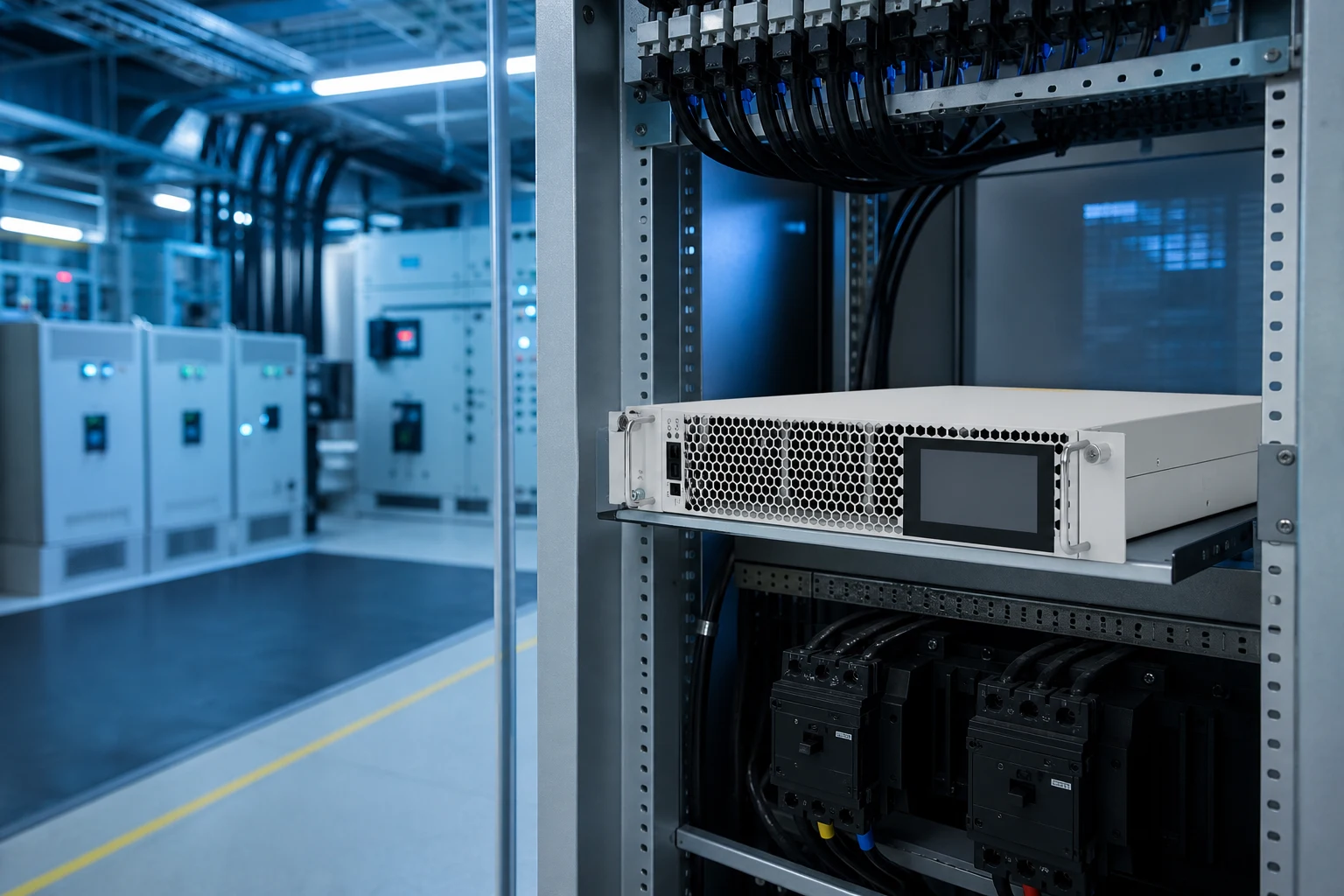
Part 3. Integrated Power Quality Systems
A coordinated power quality system may combine APF and SVG for sites with both harmonic and reactive issues.
Harmonic studies should list major nonlinear loads, operating duty cycles, and future expansion plans.
Maintenance includes filter fuse checks, thermal inspection, and verification that filter settings still match load changes.
Contact CNBYG for application review when THD targets are contractual or utility-driven.
Capture nameplate data, single-line drawings, and utility interconnection rules in the RFQ package to reduce back-and-forth during technical review.
If your site mixes linear motors and nonlinear electronics, treat harmonic and reactive targets as linked requirements rather than separate purchases.
Define acceptance criteria before shipment—power factor, step response, or THD at agreed load points—so commissioning disputes are less likely.
Part 4. Documentation and Handover Checklist
Industrial acceptance should not rely on energization alone—documentation proves ratings, safety, and maintainability for the next maintenance cycle.
Use the tables below as a starting RFQ checklist; your utility or EPC contract may require additional items.
For product-specific datasheets, cross-check related CNBYG product pages and request any missing type test excerpts.
Align factory acceptance tests with items your insurer or utility interconnection agreement may require.
When comparing quotations, normalize currency, Incoterms, and included commissioning services before ranking suppliers.
| Document / item | Purpose | When to request |
|---|---|---|
| Factory type test report | Verify rated voltage, kvar, and temperature rise | Before purchase order |
| Single-line diagram template | Panel layout and protection coordination | Design phase |
| Communication register map | BMS/SCADA integration | Before FAT/SAT |
| Spare parts list (5+ year) | Lifecycle planning | Contract negotiation |
| Commissioning checklist | Acceptance testing | Before energization |
| Load type | Typical THD concern | Mitigation note |
|---|---|---|
| Variable frequency drives | 5th/7th/11th harmonics | APF or tuned passive filters per study |
| UPS / rectifier front-ends | Broadband distortion | Verify neutral loading in 3-phase systems |
| LED / SMPS clusters | High-frequency content | Check aggregate current at PCC |
| Legacy motor loads | Lower harmonic share | Reactive compensation may be primary need |
Part 5. Commissioning, Monitoring, and Long-Term Operations
Commissioning should verify that reactive and harmonic targets are met at the point of common coupling, not only at the compensation cabinet terminals.
Functional tests typically include step response, power factor at defined load points, and harmonic readings compared to contract or IEEE 519 guidance where applicable.
Monitoring after energization helps catch hunting, unexpected resonance, or capacitor cell failures before they affect production uptime.
Train maintenance staff on lockout/tagout, discharge timing for capacitors, and which alarms require immediate shutdown versus scheduled service.
Schedule a post-warranty review to reassess load changes—production line upgrades often change compensation needs within three to five years.
Utility account managers can clarify whether PF adjustments affect demand charges only, energy charges, or both—align KPIs before writing acceptance tests.
Keep a spare-parts criticality list (fuses, contactors, fan assemblies, control boards) based on lead time and production impact, not catalog defaults alone.
Recommended CNBYG Products
For project support, explore our related product line, power quality system options, and OEM/ODM capabilities on cnbygele.com.
FAQ
Can one device fix both harmonics and power factor?
Sometimes, but not always with a single device. Capacitor banks correct power factor but do not filter harmonics; APFs filter harmonics; SVGs handle dynamic reactive power. Sites with both issues often use a hybrid combination.
What is the difference between APF and SVG?
An APF (active power filter) targets harmonic currents, typically filtering a wide range of orders. An SVG (static var generator) targets dynamic reactive power for power factor and voltage support. Vendor comparisons note both use similar voltage-source inverter hardware.
What harmonic orders can an APF filter?
Per vendor comparison tables, APFs can selectively filter roughly the 2nd to the 50th order, while SVGs address a narrower harmonic range (about 2nd to 13th) alongside reactive compensation. Confirm the exact range in the datasheet.
Do capacitor banks filter harmonics?
No. Capacitor banks improve power factor but do not remove harmonics, and adding them without a harmonic study can amplify resonance. Detuning reactors or active filters are used where harmonics are present.
When should I choose a hybrid solution?
Guidance suggests APF-led designs when THD dominates (for example THD > 20%), SVG-led when reactive power is the main gap (PF < 0.8), and a hybrid APF + SVG + capacitor package for combined problems.
What standard governs harmonic limits in the U.S.?
IEEE 519 is widely referenced for harmonic limits at the point of common coupling, commonly targeting voltage THD at or below 5%. Confirm applicability with your utility agreement.
Can capacitors and active filters be combined safely?
Yes, but the design must review resonance. Integrated cabinets coordinate APF, SVG, and switched capacitors under one controller so filtering and compensation act as one system rather than competing.
References
- CoEpo — Differences of APF & SVG (comparison table)
- Ortea — Capacitor / SVG / APF selection criteria
- IEEE Std 519-2014 — Harmonic Control
- Jinneng — APF & SVG complementarity
Ready to discuss your project? Contact CNBYG engineering support with your voltage class, load list, and target power factor or THD goals.