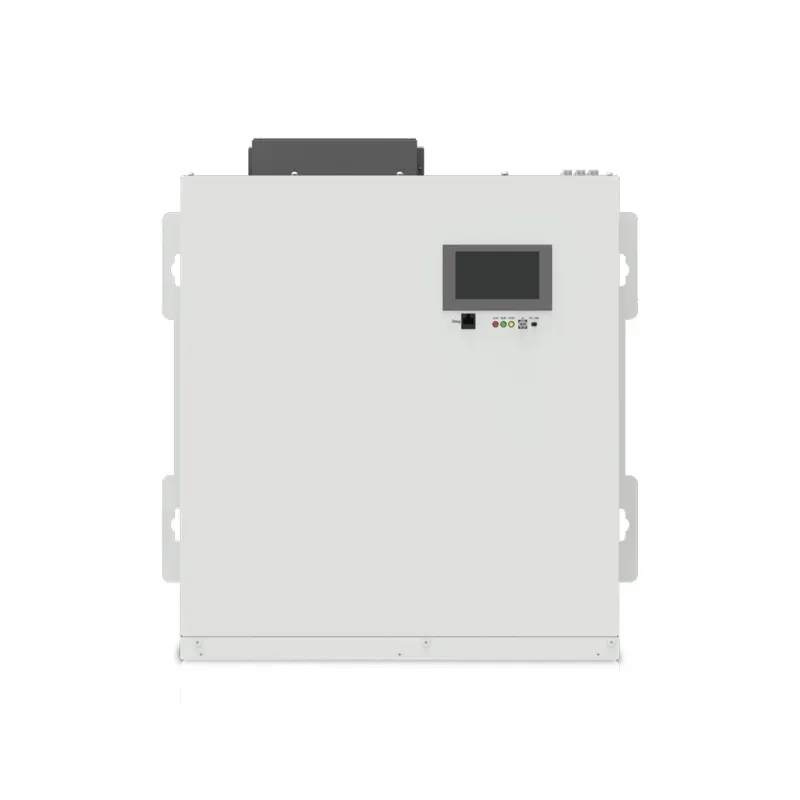
Active Harmonic Filter vs Passive Harmonic Filter
For industries that have a reliance on electrical equipment, understanding the intricacies of power quality management is important. Power quality can be managed using several tools, with Active Harmonic Filters (AHFs) and passive harmonic filters being the most frequently used to reduce harmonics on electrical systems. However, even though both types of filters will accomplish the same basic function of reducing harmonics in electrical systems, they have distinctly different operation characteristics, efficiencies and applications.
This article will examine the differences between active and passive harmonic filters, their respective advantages, and the circumstances where one may be selected over the other.
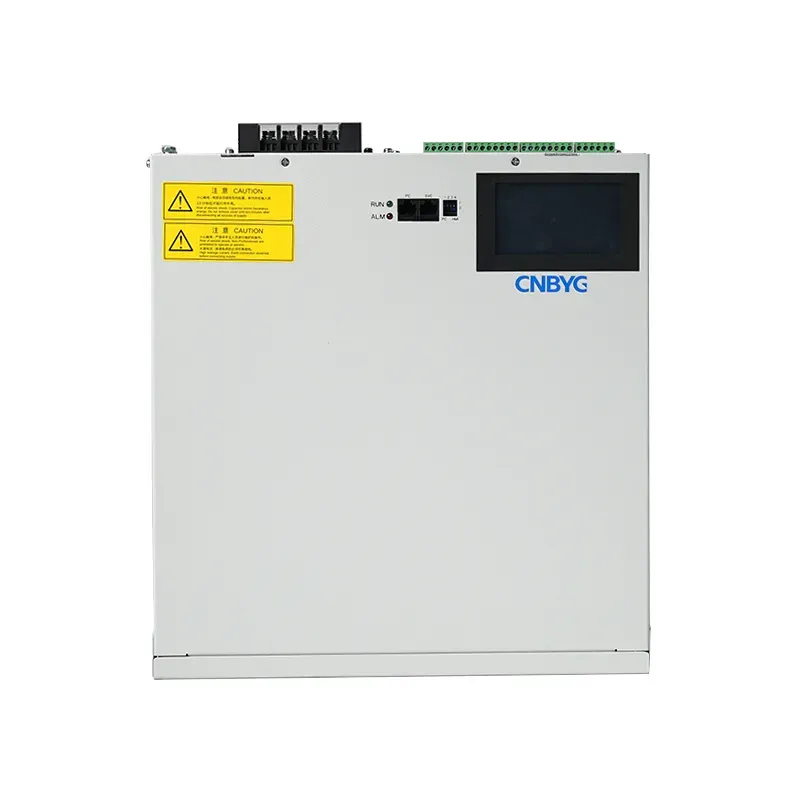
What Are Active Harmonic Filters?
Active Harmonic Filters Advanced electronic devices called active harmonic filters (AHFs) are developed to provide real-time analysis and correction to counteract harmonic interference in electrical systems. These filters utilize digital signal processors to create and send counter-harmonic currents into the system to cancel out undesirable harmonics created by nonlinear loads, such as variable frequency drives, rectifiers, etc. They have the ability to react immediately to any change in the load condition and can adjust their output. Therefore, they are very well suited for any application requiring continuous measurement and improvement of power quality.
The Role of Passive Harmonic Filters
Conversely, passive harmonic filtration uses inductors, capacitors, and sometimes resistors, to passively remove certain harmonic frequencies. They are typically simple in design with a specific tuning frequency (for example, the voltage source at the 5th or 7th harmonic). Therefore, passive harmonics will absorb the individual harmonic frequencies produced by electrical devices, which may reduce the amount of stress and energy loss placed on equipment. Unlike active filters, passive filters will not be able to modify themselves with respect to instantaneous conditions. Thus, they often require the installation of additional devices to enhance the overall performance of the filtering system.
What Is the Main Difference Between Active and Passive Filters?
Active filters work in real time using their output control to cancel out the effects of harmonics to a large degree, which makes them versatile and effective under many different operating conditions. In contrast, passive filters are fixed and designed only to cancel out specific harmonics, and are therefore limited in their flexibility (adaptability) to changing conditions. Therefore, although they can be a cost-effective way to solve harmonic issues, passive filters may not be able to solve ongoing harmonics problems.
Comparing AHF and APF
The terms AHF (Active Harmonic Filter) and APF (Active Power Filter) have become interchangeable referring to two fundamentally different devices. AHF devices are specifically designed to eliminate harmonic distortion; whereas APF devices have a much broader functionality including but not limited to harmonic filtering, power factor correction, and voltage stabilization. Consequently, users should clarify their needs before selecting either AHF or APF products.
When to Use Active vs Passive Harmonic Filters
The choice of whether to use an active harmonic filter (AHF) or a passive harmonic filter will often be dictated by the particular application and the power quality needs associated with that application. An AHF provides greater performance and adaptability than a passive harmonic filter in applications where there is a great deal of harmonic distortion and/or varying load requirements; however, AHFs must typically be installed at a higher installation cost. Conversely, passive filters work well in steady state applications where cost effectiveness is the highest priority. Passive filters are typically applicable for systems that are less complex than those for which an AHF would provide optimal operation.
FAQs: Key Insights on Harmonic Filters
1. What is the difference between active filters and passive filters?
To adjust and cancel for harmonic currents, the active filter utilizes advanced electronics. The passive filter uses only passive components and therefore has no ability to adapt to real-time changes; however, it does trap certain harmonic frequency components based on their impedance.
2. What is the difference between AHF and APF?
In contrast to APFs (Active Power Filters), which incorporate other benefits such as Power Factor Correction (PFC) and voltage regulation capabilities, AHF (Active Harmonic Filters) address only harmonic reduction.
3. What is the main difference between active and passive?
The key distinction between the two types is that an active filter adapts to the changing physical nature of an application while a passive filter is designed to operate according to a specific set of circuitry design parameters.
To conclude: Active Harmonic Filters vs Passive Harmonic Filters. It is important to know about both so you can choose the right type of filter for an electrical system to maintain the best possible power quality. Knowing about these filters will allow end users to make an educated decision based on their own needs. Selecting the right type of filter will give industries the ability to increase the operational reliability and longevity of equipment, along with improving efficiency.