Meter Historian Recovery Dependencies: Build a Usable Restore Register
A meter historian restore dependency register lists everything needed to make recovered measurement records usable: compatible software, configuration, tag definitions, time conventions, calculation context, access arrangements and responsible owners. Build it before a failure, then check it against an isolated recovery exercise. An archive backup alone may preserve values without preserving the context needed to interpret them.
This guide focuses on preparing the dependency record for an external historian or energy reporting system. It is separate from a restore acceptance test and from a backup of the instrument’s settings. It does not claim that an industrial meter contains a historian, an archive export tool or a built-in disaster recovery function.
Begin with the service that must be recovered
Define the useful service rather than starting with a list of backup files. A maintenance engineer may need historical current trends; an energy manager may need interval totals and report definitions. Record the required readers, approved periods, quantities and outputs. Recovery is easier to plan when the intended use is explicit.
Name the system boundary. Include the meter, external collector, historian, database and reporting layer where they affect the required service. Some systems combine these roles, while others distribute them. Describe the actual installation rather than assuming a generic architecture applies.
Decide which dependencies are required to read old data and which are only needed to resume new collection. This distinction allows a restricted historical service to be recovered without prematurely reconnecting a collector to live equipment. Any reconnection remains subject to the site’s approved operating and security procedures.
Use contingency guidance at the correct level
NIST SP 800-34 Revision 1 provides guidance on information-system contingency planning and recovery priorities. It is a general planning reference, not a meter-specific restore manual. Use the actual historian vendor’s supported recovery documentation for commands, software compatibility and required backup components.
NIST SP 800-128 addresses controlled configuration management. Its relevance here is the need for an identifiable, managed configuration baseline. The practical register below is an engineering planning aid; it is not a claim that NIST mandates these exact spreadsheet columns.
A dependency register complements those sources by connecting the approved recovery purpose to the installation’s actual artifacts and owners. Keep assumptions visible, especially where an application version, license arrangement or data transformation has not yet been tested after recovery.
Record dependencies with evidence and ownership
For each item, state what is required, where the approved evidence is kept, who controls it and what would demonstrate usability. A document titled backup procedure is insufficient if no one can locate the compatible installer or obtain authorized recovery access.
| Dependency group | Useful register entry | How to confirm it is usable |
|---|---|---|
| Application | Product, supported version and installation source | Approved version starts in the recovery environment |
| Data storage | Backup set, included period and consistency method | Required history can be queried after supported recovery |
| Tag definitions | Stable identity, unit, scaling and quality interpretation | Recovered values retain their intended meaning |
| Time context | Zone, interval convention and historical rule assumptions | Known timestamps resolve to the expected periods |
| Calculations | Formula revision, input mappings and aggregation rules | A controlled example produces the expected result |
| Access | Authorized role, approval path and credential custodian | Required read access is available without shared secrets |
| External services | Necessary network, identity or licensing dependencies | Availability and approved fallback are evidenced |
| Responsibility | Owner, substitute and escalation route | Another authorized person can obtain the evidence |
Store references to protected credentials, not passwords or private keys in the register. The dependency record should tell an authorized responder how to request access without becoming a new uncontrolled secret repository.
Separate data from the dictionary that explains it
A recovered numeric series may be impossible to use safely if its tag dictionary is missing. Record stable identifiers, asset relationships, quantity, unit, multiplier and direction. Preserve the approved revisions that applied to the historical period, especially when assets or point names have changed.
Document where scaling occurs. If the instrument, collector and reporting system can each apply a multiplier, record the approved location and interpretation. Recovery must not accidentally apply the same factor twice because a default configuration differs from the original system.
Quality codes also belong in the dependency record. A number marked invalid or estimated has a different meaning from a confirmed observation. If the original quality interpretation cannot be restored, document the limitation rather than displaying every historical value as equally reliable.
Capture the time and calculation context
Record the timestamp storage convention separately from the report display convention. A system may store UTC and display local time. Identify interval boundaries, any historical zone assumptions and the handling of ambiguous local timestamps. Do not assume that restoring the current workstation time zone recreates the original reporting context.
Preserve calculation definitions with their input mappings and revisions. A totalizer or energy summary can produce a different result after recovery if its source channels, filters or rounding behavior change. List the evidence needed to reconstruct the approved definition instead of keeping only a screenshot of the final chart.
Include a small controlled comparison pack: selected historical timestamps, corresponding source values and the expected interpreted output. Choose examples that exercise the actual dependencies, such as a renamed point or a changed reporting boundary. Keep test records separate from live measurement evidence.
Map dependency order without guessing vendor behavior
Some applications require a compatible database before their configuration can be restored. Others manage their own storage. An external identity service may be necessary for ordinary sign-in, while a vendor-supported restricted recovery path may exist. Record only the sequence supported for the installed system.
Show prerequisites and owners in plain language. For instance, approved software media must be available before application installation; the supported storage service must be ready before the recovery procedure that requires it. Do not turn a generic example into an installation instruction for a different product.
Flag circular dependencies. If a recovery manual is stored only inside the failed service, place an approved accessible copy elsewhere. If the only person who can authorize access is unavailable during an outage, resolve the substitute approval path before relying on the plan.
Keep licensing and third-party access practical
List any license evidence or vendor assistance needed for the intended recovery environment. Avoid assuming a license can be transferred, copied or activated offline. Verify the actual terms and supported process with the responsible supplier; record the verified procedure and any unresolved limitation.
For external services, identify whether recovery needs live access or can operate in a restricted isolated mode. A historian may be readable without resuming collection, but that depends on the application. The register should preserve the tested boundary rather than encouraging responders to bypass network controls.
Record supplier contacts by role and approved escalation channel. Include the evidence the supplier requires, such as software revision, error details and entitlement reference, while keeping confidential account material in its designated protected location.
Validate the register with a bounded exercise
Choose an isolated recovery scope and obtain the required operational authorization. Use the register to locate artifacts and follow the supported recovery process. Record what was available, what required undocumented help and what prevented progress. The purpose is to expose missing dependencies before a real outage.
Keep preparation time separate from execution time when recording results. Waiting for an installer, approval or license can dominate recovery even when restoring the data itself is quick. Report measured exercise results only for the tested scope; do not advertise a universal recovery time from one successful sample.
The historian restore acceptance guide addresses whether recovered data is usable after the procedure. This register addresses whether the required prerequisites can be obtained and understood. Link the two records so failed acceptance checks can identify missing or incorrect dependencies.
Maintain the record after approved changes
Review the register when software, collection mappings, time conventions, access controls or report calculations change. Record the effective revision and the historical coverage affected. Preserve prior revisions where older data still depends on them.
The meter configuration backup guide covers instrument and supporting configuration evidence. The configuration ownership handover guide helps assign responsibility across components. Keep their boundaries clear so that each task has an accountable owner instead of several incomplete copies of the same checklist.
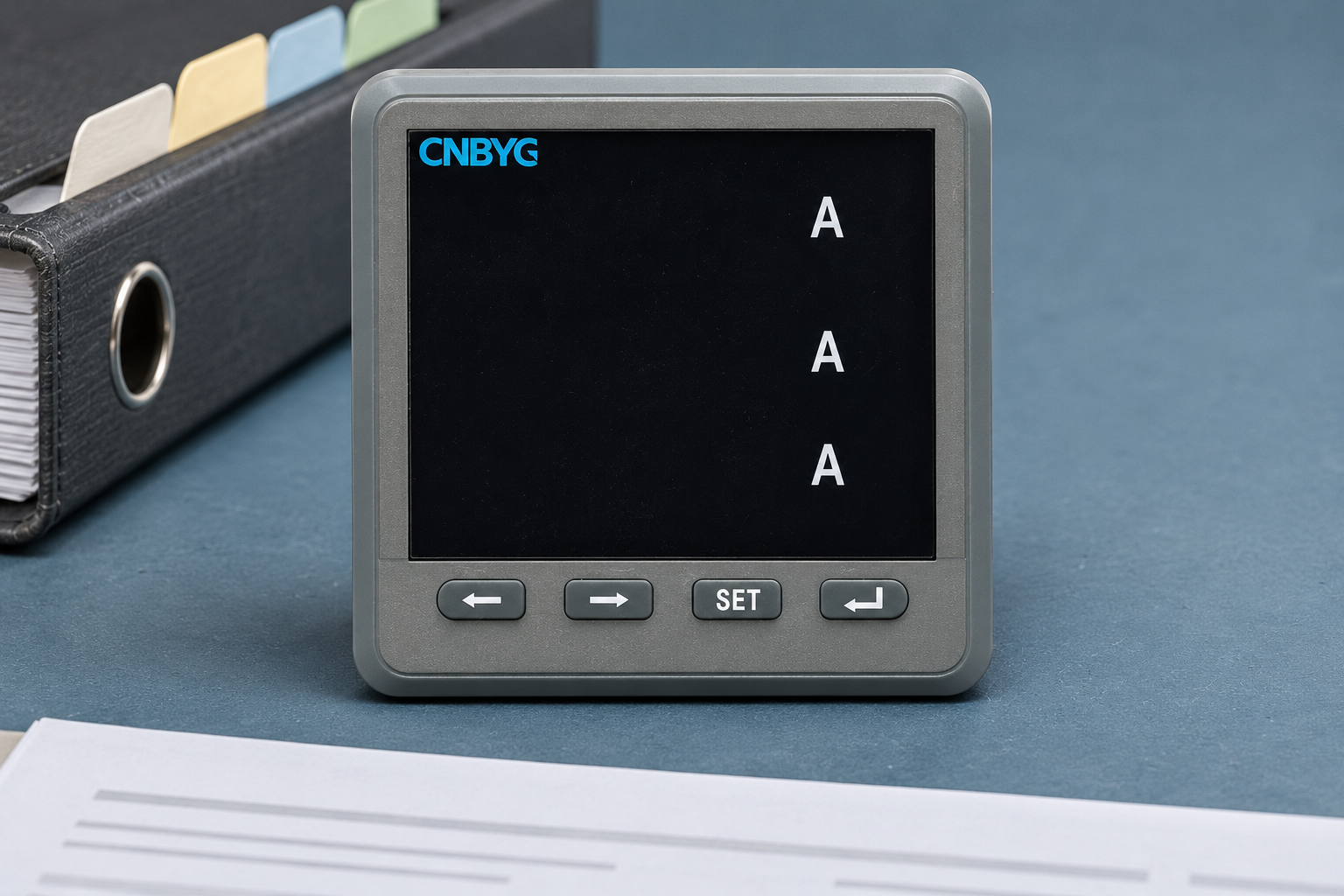
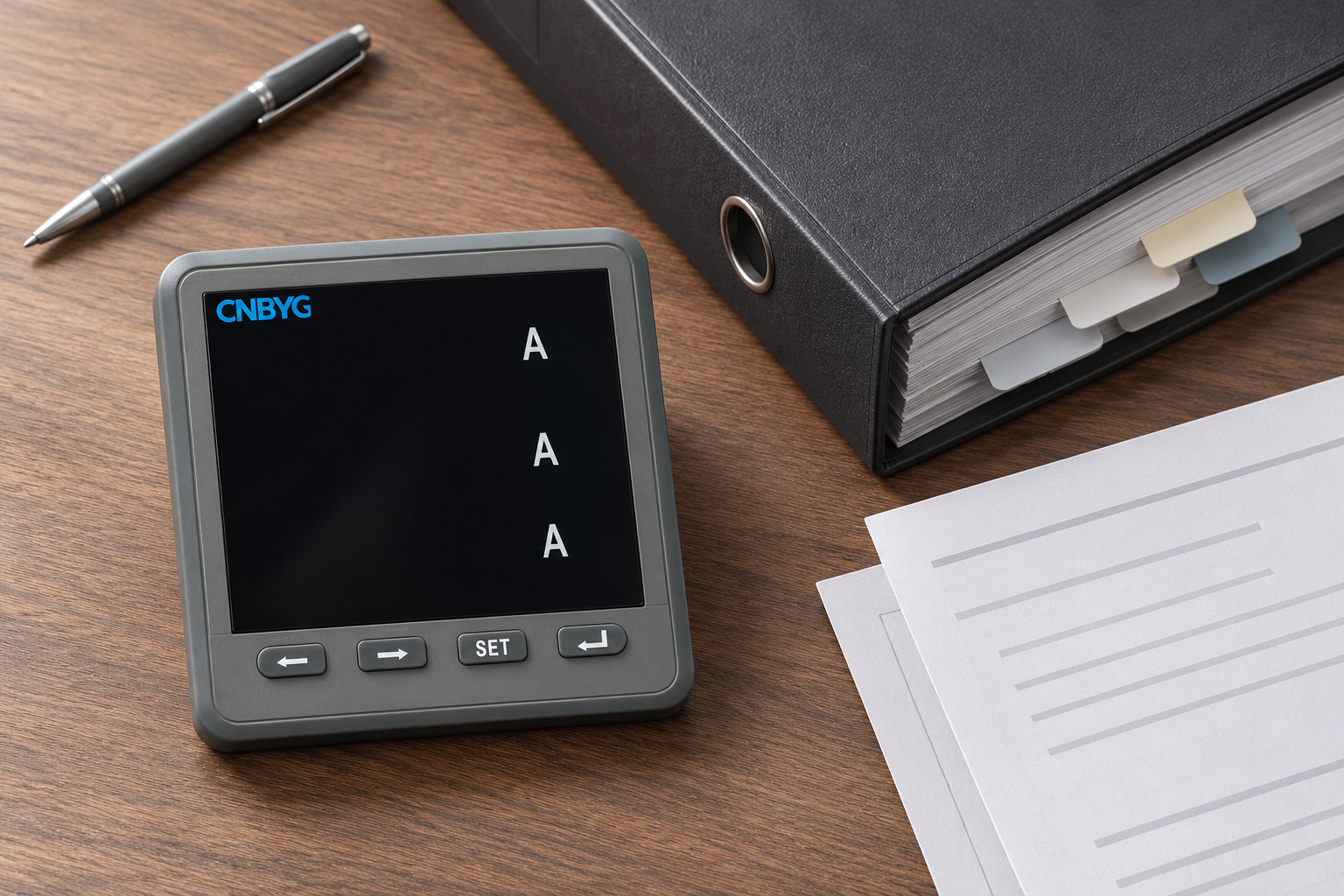
The real product reference for these illustrations is the BY194 multifunctional instrument. Verify its exact variant and documented measurement functions independently. External binders and recovery documents illustrate system administration; they do not imply storage, gateway or restore capabilities inside the photographed meter.
The following Computerphile lesson about race conditions offers background on shared state and timing. It is relevant to coordinating changes across collection and reporting components, but it does not provide a historian recovery procedure. Your supported vendor documentation and tested dependency register remain the operational references.

Frequently asked questions
Is an archive backup enough to recover a historian?
It may be only one required component. Determine the installed application’s supported procedure and identify compatible software, configuration, tag definitions, access and interpretation context. Test the required scope before concluding that the backup is sufficient.
Should passwords be included in the dependency register?
Keep secrets in the approved protected system. Record the authorized access role, custodian and recovery approval route instead. Confirm that the route remains available during the failure scenario the plan is intended to address.
Does a successful isolated restore prove live collection can resume?
No. Reading recovered history and reconnecting collection are different scopes. Resume collection only through the approved procedure, with the correct configuration, access and operational checks for the actual installation.
When should the register be reviewed?
Review it after relevant approved changes and after recovery exercises reveal missing information. Also set a periodic owner-led review appropriate to the service. Preserve revision history so historical data can still be interpreted under the context that applied when it was collected.