Plastic Extrusion Line VFD Harmonics: Operating Logs
Plastics plants run extrusion lines where screw-speed setpoints, melt-temperature control, and changeovers shift VFD harmonic current on shared feeders. Assessing plastic extrusion VFD harmonics needs operating logs tied to recipe and line state rather than a single afternoon capture.
Direct answer
Plastics plants run extrusion lines where screw-speed setpoints, melt-temperature control, and changeovers shift VFD harmonic current on shared feeders. Assessing plastic extrusion VFD harmonics needs operating logs tied to recipe and line state rather than a single afternoon capture.
Melt-quality discussions and electrical distortion reviews should stay on separate tracks. CNBYG can discuss AHF/APF context when measured harmonic current is the objective. It cannot establish product dimensional quality, melt stability, or a guaranteed harmonic result. Wider reading: Power Quality System Engineering Guides.
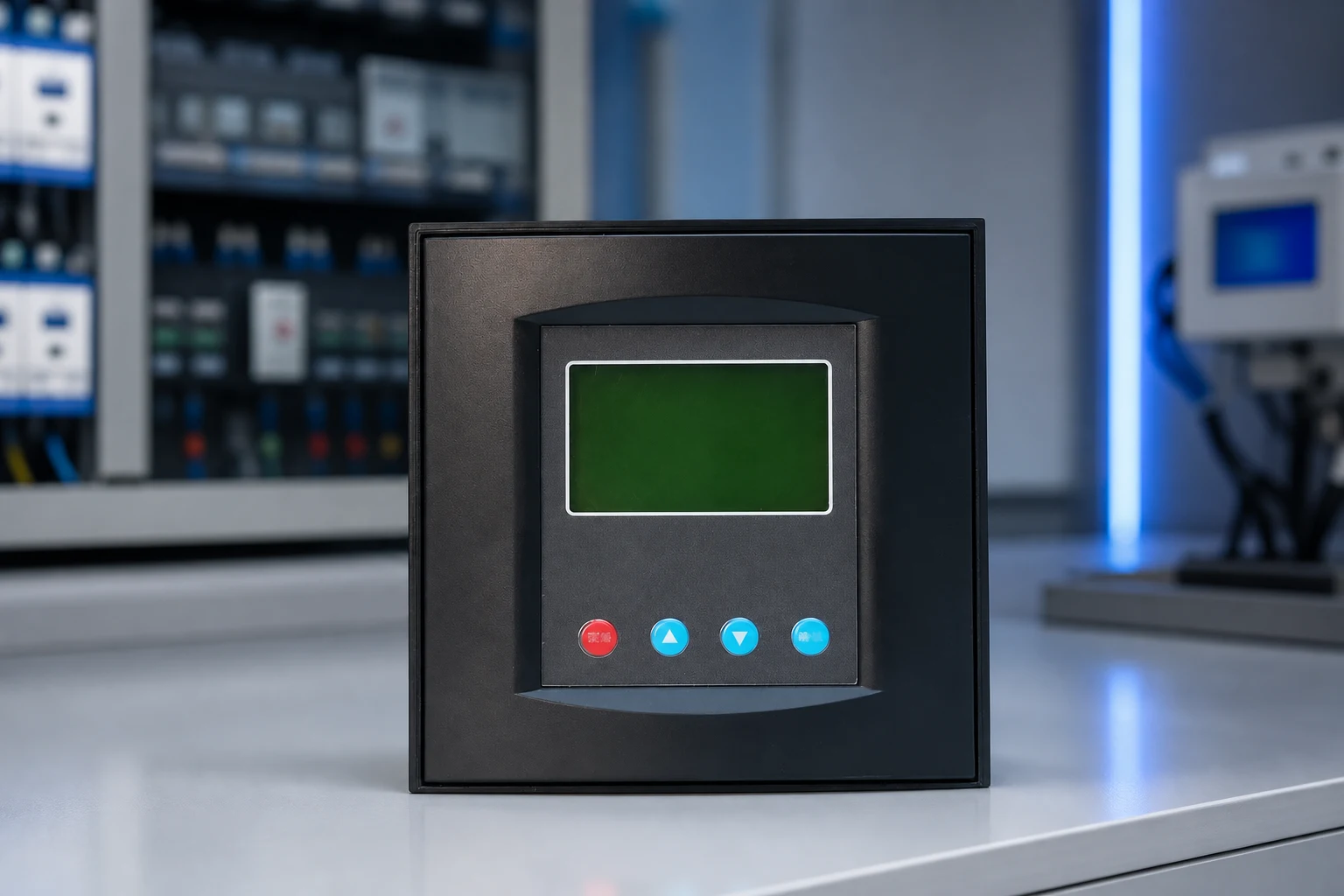
Bound the extruder measurement point
Line feeders characterize screw and haul-off drives; the plant PCC answers a different question. Record CT details, recipe IDs, and line speed with each spectrum.
For extruder main drives, melt pumps, and haul-off VFD groups, log startup heat, steady extrusion, recipe changeover, haul-off speed changes, and planned shutdown. Label resin recipe and line speed with each spectrum, because changeovers can produce brief peaks that matter for demand windows.
A practical pre-RFQ record for this application normally includes:
- Single-line showing extruder and haul-off feeders.
- Spectra across startup heat, steady run, and changeovers.
- Notes linked to the extrusion recipe and line speed state.
- Capacitor and filter inventory on the plastics bus.
- Demand trends over at least one full production day with changeovers.
| Extrusion log focus | Evidence required | Decision supported |
|---|---|---|
| Activity at the monitored extruder or line feeder | Current spectrum, RMS trend, load state, CT reference | Local source characterization |
| Activity at the system boundary | Voltage/current trends, transformer and upstream data | Boundary mitigation scope |
| Repeatability across production and changeover cycles | Multiple labeled operating windows | Capacity and commissioning planning |
| Connected equipment | Single-line, protection, compensation inventory | Interaction and integration review |
Important: Do not select APF capacity from a single steady-run snapshot without changeover labels (Source: VFD harmonics measurement and APF selection). Recipe transitions can create brief peaks that matter for demand windows.
Keep product quality separate from harmonic scope
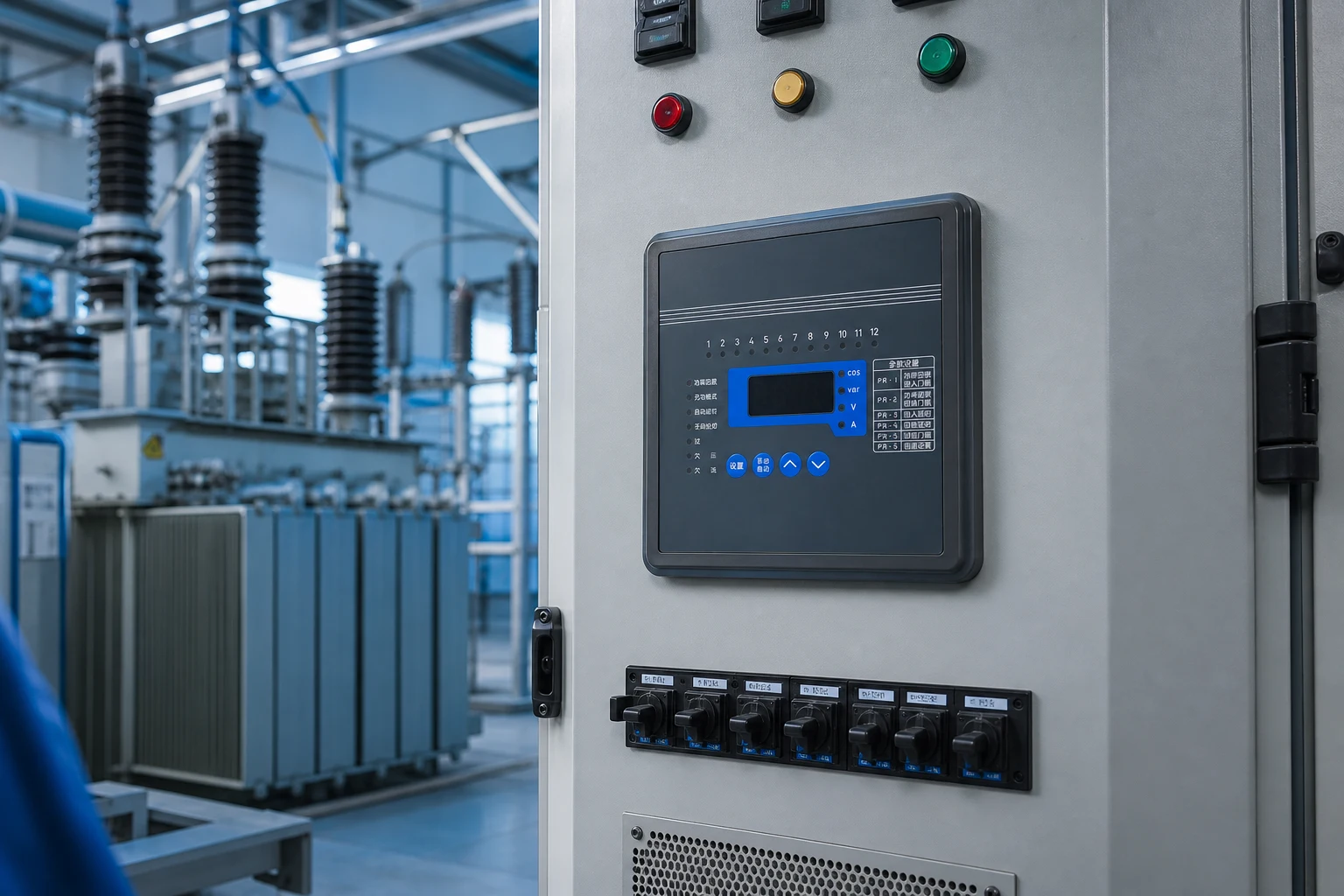
Dimensional drift and harmonic current can appear in the same shift without sharing a root cause. Maintain separate evidence trails and acceptance criteria.
Reference the IEEE 519 overview for boundary language, then define the plastics-plant measurement point in the RFQ.
Operators should also record melt-pump status and haul-off speed beside screw setpoints, because those auxiliaries change feeder coincidence. Keep a short note on resin lot identifiers next to the electrical log so process and electrical teams can reconcile timestamps during RFQ review. Those notes are short, but they keep extrusion changeover windows comparable for quotation and later commissioning follow-up on each site.
Mitigation options after recipe-aware logs
AHF/APF is relevant when harmonic-current reduction at the plastics-plant distribution bus or PCC is agreed. SVG may address reactive swings during speed changes. Passive filters need resonance checks against extrusion bus data.
| Mitigation category | Useful when | Confirm before RFQ |
|---|---|---|
| AHF / APF | Harmonic-current reduction at the plastics-plant distribution bus or PCC is documented | Spectra, CT plan, thermal path, protection, acceptance test |
| SVG / ASVG | Fast reactive-power support is the primary objective | Voltage profile, existing compensation, controls, commissioning |
| Passive tuning | A system study shows a stable tuned or detuned function | Resonance review, switching policy, maintenance access |
| Operational change | Schedule or staging shifts materially change demand | Owner sign-off and documented implementation |
Assemble an extrusion-line RFQ evidence pack
Before suppliers quote, assemble recipe-labeled spectra, changeover tables, CT notes, and a marked-up plastics single-line. Clarify whether the decision is local extruder troubleshooting, plant-bus assessment, or harmonic-current mitigation. Show steady-run and changeover windows side by side.
Require the quote to declare covered orders, heat-near-cabinet limits, and acceptance tests. Include headroom for future lines and list capacitors on the plastics bus. Name who labels recipes and who signs the acceptance checklist.
Add barrel-heat clearance notes, changeover outage slots, and a glossary of recipe codes so steady-run and transition files remain distinguishable. Include CT polarity checks, sample intervals, and a note describing which lines shared the plastics bus during each capture. Record expected spare headroom for future extruders and keep the acceptance checklist owner named before quotation begins.
Review the CNBYG AHF Active Harmonic Filter page using recipe-aware extrusion spectra. The welding-load guide on VFD harmonics measurement and APF selection illustrates another duty-cycle logging pattern.
Installation around production calendars
Capture cabinet placement away from hot barrels, cable routes, and changeover outage slots. Acceptance tests should replay recipe bands from the baseline log.
The related manufacturing scenario in welding robot harmonics in automotive plants shows how recipe-aware logs support commissioning comparisons.
Plastics-plant inquiry checklist
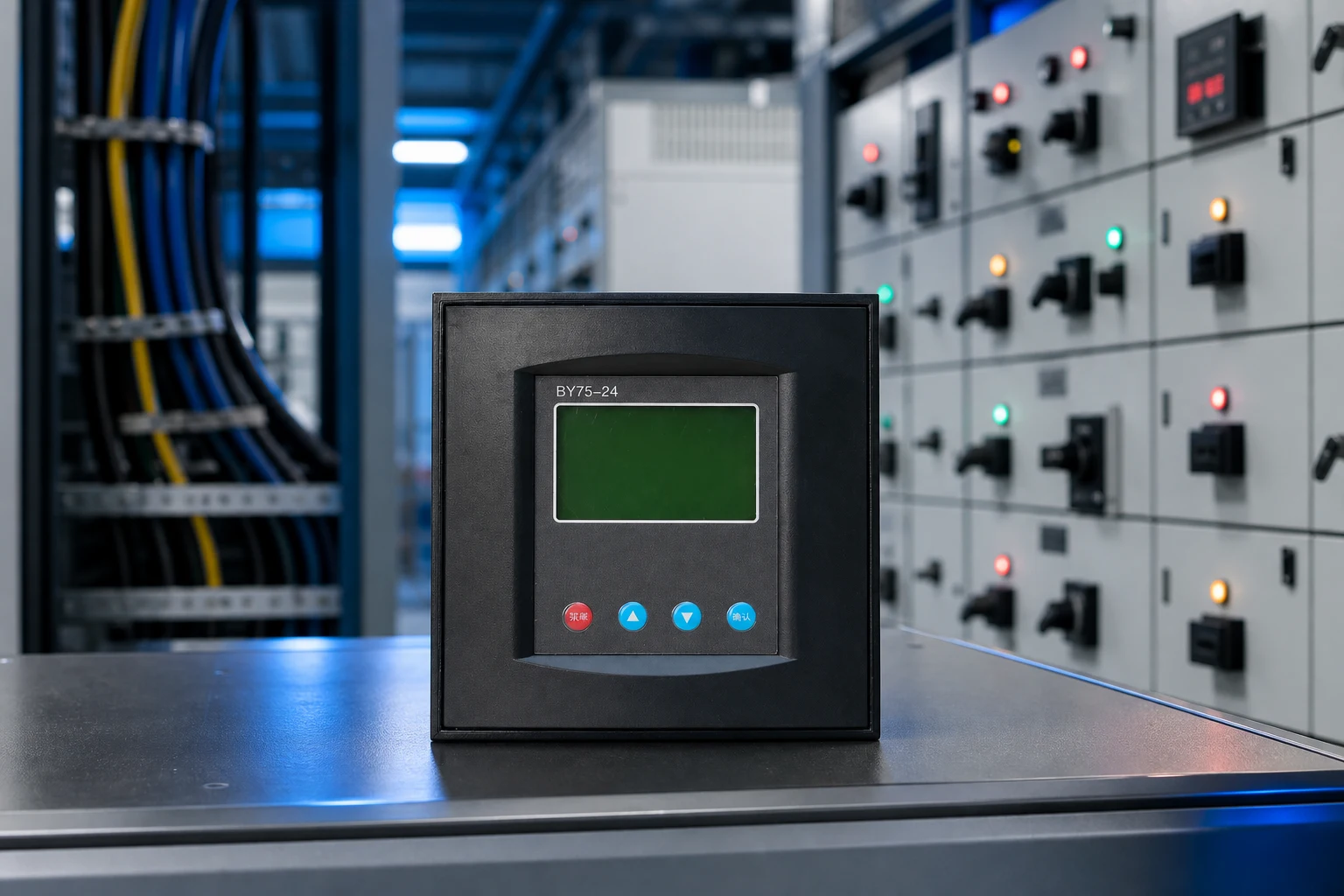
Include single-line data, recipe-labeled spectra, drive inventory, compensation details, and space or cooling notes. CNBYG can review product-line fit and must not guarantee product dimensional quality, melt stability, or a guaranteed harmonic result. Use the CNBYG contact page.
Frequently asked questions
Why log recipe and line speed with extrusion harmonics?
Screw torque and haul-off duty change with recipe, so unlabeled spectra cannot support a reliable mitigation scope.
Should each extruder have its own meter point?
Measure where the mitigation decision applies; add per-line feeders when bus data points to a specific source.
Does this article confirm product-quality outcomes from harmonic mitigation?
No. Dimensional quality and melt stability require process engineering beyond a harmonic logging guide.
Is one measurement enough to select mitigation equipment?
Usually not for extrusion lines. Recipe bands, changeovers, and capture length determine whether capacity talk is justified.
Can mitigation equipment be sized from extruder nameplate kW alone?
No. Nameplate kW is context; measured spectra and operating logs set the capacity basis.
Does this article guarantee a compliance or operational outcome?
No. Product quality, network conditions, and commissioning remain plant-specific.