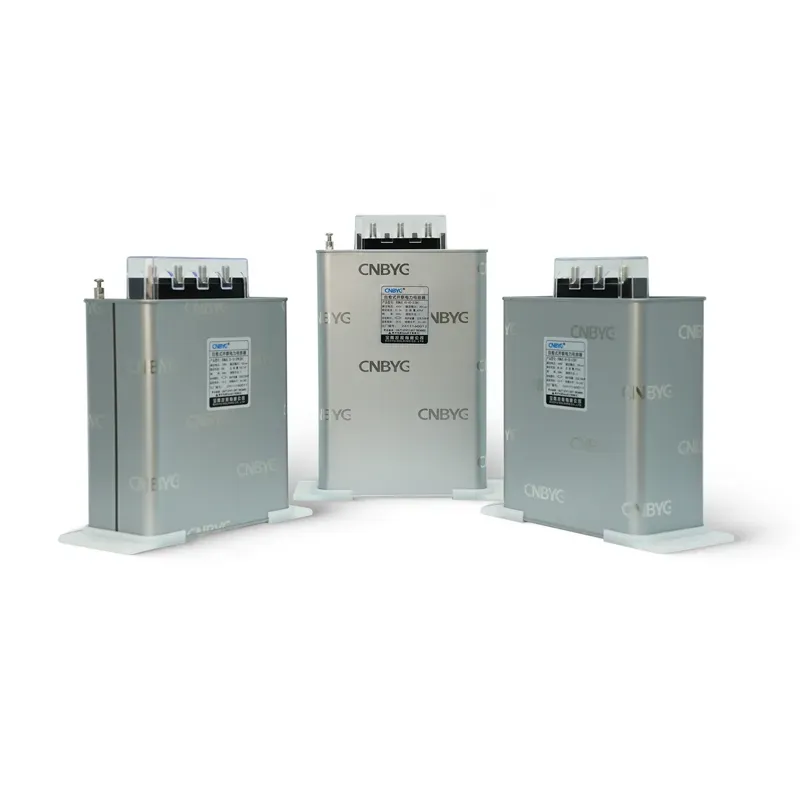
What is a Self-Healing Low-Voltage Shunt Capacitor?
Capacitors are essential components of electrical engineering by creating electrical characteristics and making sure that systems operate reliably. Among these various types, the Self-healing low-voltage shunt capacitor sets itself apart because it can be restored to good health after having a dielectric failure. As a result of this unique property, these capacitors will continue to work properly and efficiently for years to come in electrical circuits.
Understanding Self-Healing Capacitors
If a dielectric breakdown occurs, a Self-healing low-voltage shunt capacitor will be able to restore itself automatically to full operation. This is especially important when using capacitors in areas where there are high voltages or unexpected power surges resulting in failures. The self-healing takes place after a localized breakdown occurs the materials in the capacitor react to the damage from that localized breakdown and effectively “heal” the puncture created by the breakdown and prevent any additional failures, thereby allowing the capacitor to continue operating.
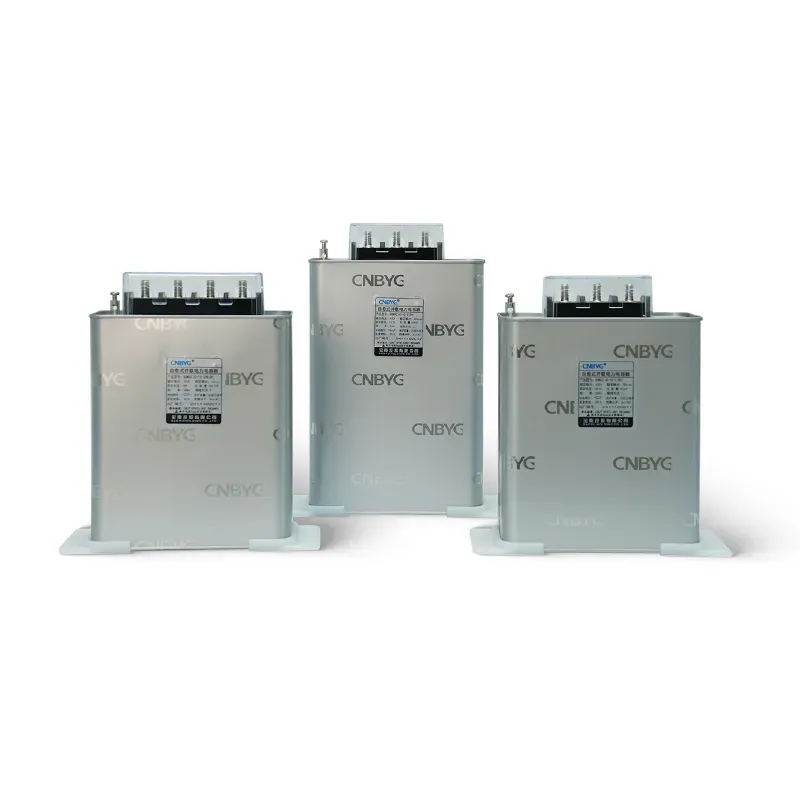
Types of Self-Healing Capacitors
Self-healing low-voltage shunt capacitor types of capacitors include a variety of different capacitor types such as polyester capacitor, polypropylene capacitor and some electrolytic capacitor types, but all three capacitor types offer special capabilities that are best utilized in specific applications, however, they all offer self-repairing characteristics.
Common Applications of Self-Healing Low-Voltage Shunt Capacitors
Self-healing low-voltage shunt capacitors Due to their strength and dependability, have found many applications throughout many electrical systems. Examples of these applications include the following:
Capacitors used for power factor correction improve energy efficiency in an industrial environment by eliminating problems related to power factor.
– Voltage Regulation: They act to stabilize voltage levels in the system of power distribution which enhances the quality and reliability of the power that is supplied.
– Filtering out Noise: They eliminate any unwanted noise so that we can have clear signals, which enhances how well we perform.
Common Failure Modes and How Self-Healing Prevents Them
Capacitors can fail in many different ways, including short circuit, loss of capacitance, and increased leakage. However, these failures can be greatly reduced by using capacitors with a self-healing capability. When a capacitor fails, the internal dielectric materials vaporize and create a physical barrier that can prevent any subsequent surges from causing further damage to the capacitor. This containment will allow for the capacitor to continue functioning normally after failure and have little concern for the safety of the device.
Furthermore, because of their reliability, Self-healing low-voltage shunt capacitor help ensure that electrical systems remain safe from the potential for cascading failures among all the components in a networked system.
Why Choose Self-Healing Low-Voltage Shunt Capacitors?
There is no question about what the self-healing capabilities of capacitors that are chosen for critical functions within electrical systems can do. Capacitors with self-healing capabilities provide benefits in addition to operational benefits; they save money through reducing repair costs and downtime; they increase the reliability of electronic devices or systems; and they greatly increase the service life of electronic devices or systems.
Additionally, due to growing government regulations regarding energy efficiency as well as regulating device safety, using self-healing low voltage shunt capacitors demonstrates a proactive attitude toward compliance and performance optimization.
Frequently Asked Questions
What is a self-healing capacitor?
The autogenic recovery of a capacitor following damage that has occurred is what distinguishes this class of device, termed as Self healing capacitors.
Which of the following types of capacitors are referred to as self-healing?
Polyester, polypropylene, and some types of electrolytic capacitors are generally considered to be self-healing capacitors.
What are common applications in electrical systems?
Power factor correction, voltage regulation and reduction of noise are some common uses for active and passive components in many different kinds of electronic systems.
What are common failure modes and how does self-healing prevent them?
One way to fail is to have a short circuit, or a leak somewhere on the wire. The self-healing action of the insulation will help isolate and fix the area of the insulation that has been damaged, thus preventing damage to other areas of the insulation from occurring.
In Short, Self-healing low-voltage shunt capacitor are a breakthrough in technology for Capacitors as they come with essential advantages for Electrical Systems, including the ability to self-heal after experiencing faults and thus provide reliable service; the perfect option for engineers and designers who want to build resilience, safety, and efficiency into their electrical systems.