06 Oct, 2026
 10
10Understand power compensation in AC systems, how it changes reactive current and power factor, and when to use capacitor banks, SVGs, or filters.
Read More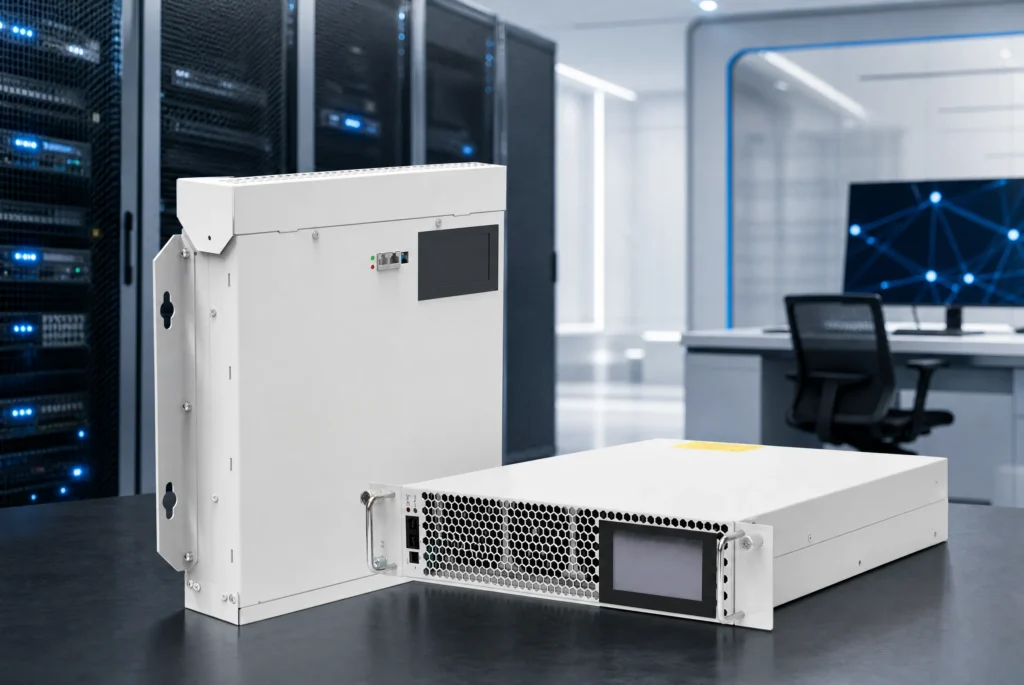 09
09A Static Var Generator offers several key advantages over traditional capacitor banks, including faster response time, compact design, adjustable reactive power control, and improved power quality. Unlike conventional methods, a Static Var Generator responds instantly to load changes, provides both capacitive and inductive compensation, reduces harmonics, and helps maintain stable voltage levels. These benefits make the Static Var Generator a more reliable and efficient solution for modern industrial, commercial, and renewable energy applications.
Read More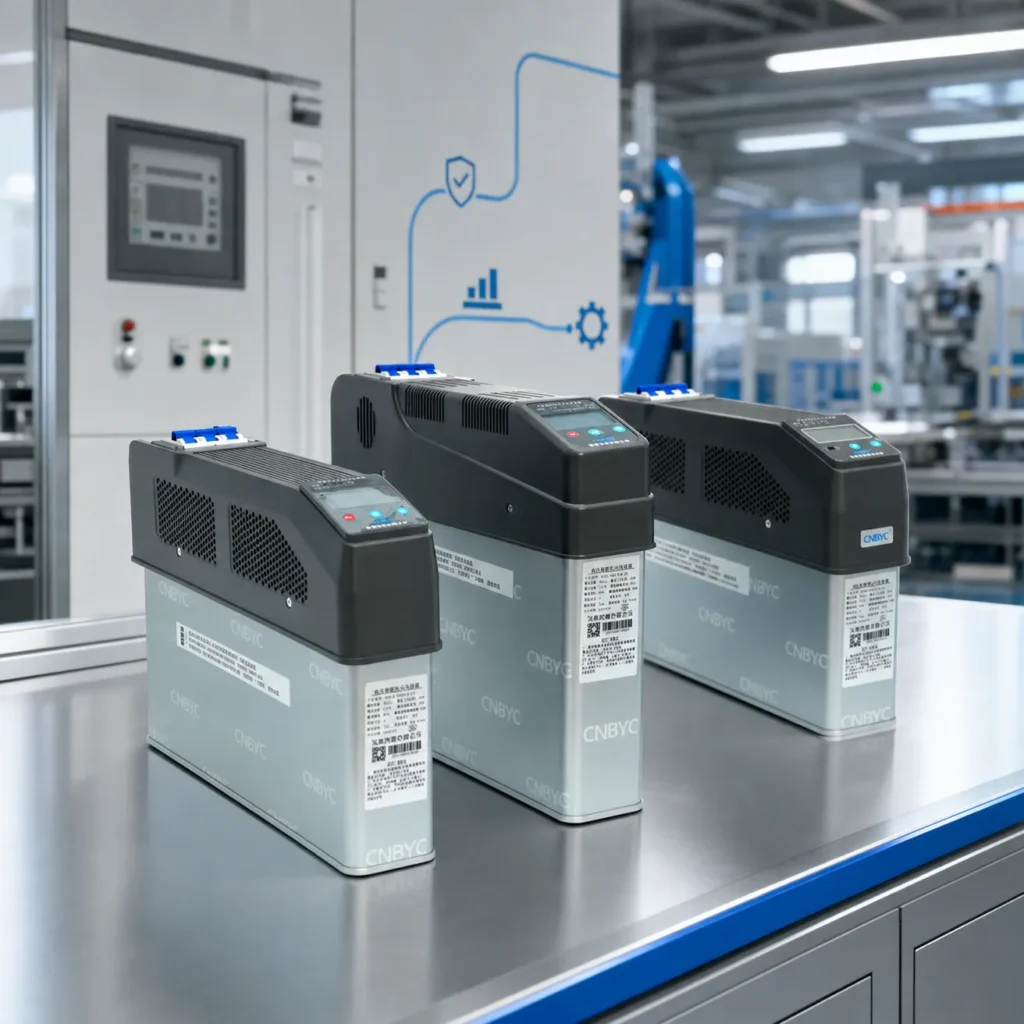 08
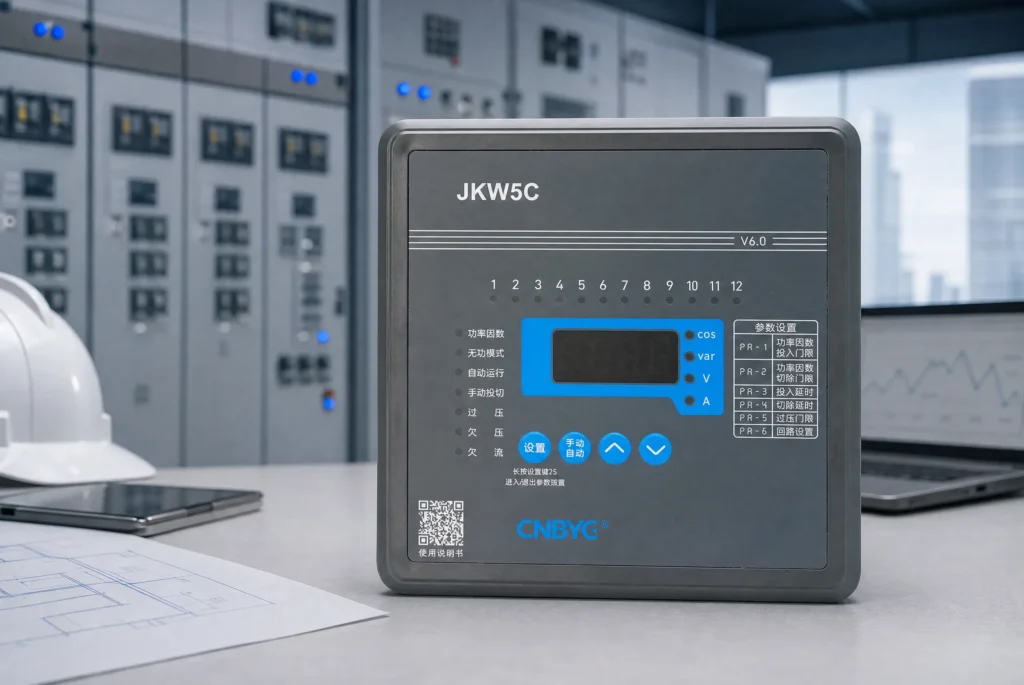
08An Intelligent Reactive Power Capacitor reduces energy loss by continuously monitoring the power factor and automatically supplying reactive power only when needed. When reactive power demand increases, it engages in real time to provide the exact compensation required, minimizing wasted energy from the grid. Unlike conventional capacitor banks that operate on fixed schedules, an Intelligent Reactive Power Capacitor dynamically adapts to changing loads, achieving up to 30% more energy savings and lowering electricity bills by 10–30%.
Read More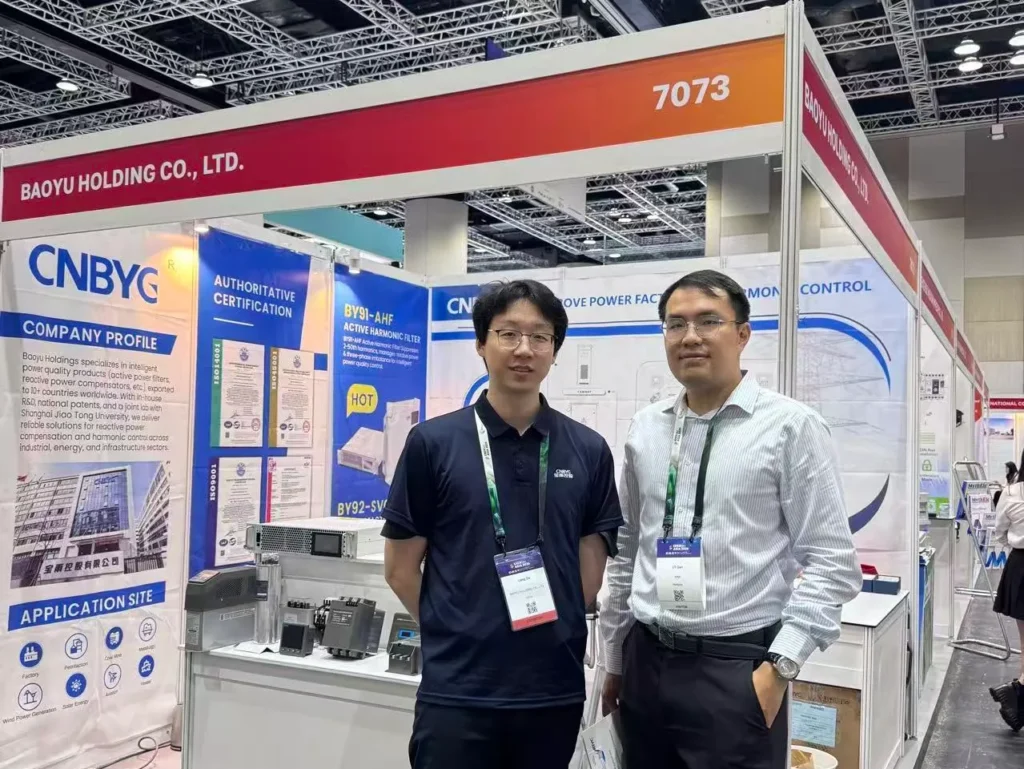 06
06We at CNBYG are happy to share our participation in ENERtec Asia 2026 Kuala Lumpur, where we will showcase our newest innovations in power quality and smart electrical solutions to···
Read More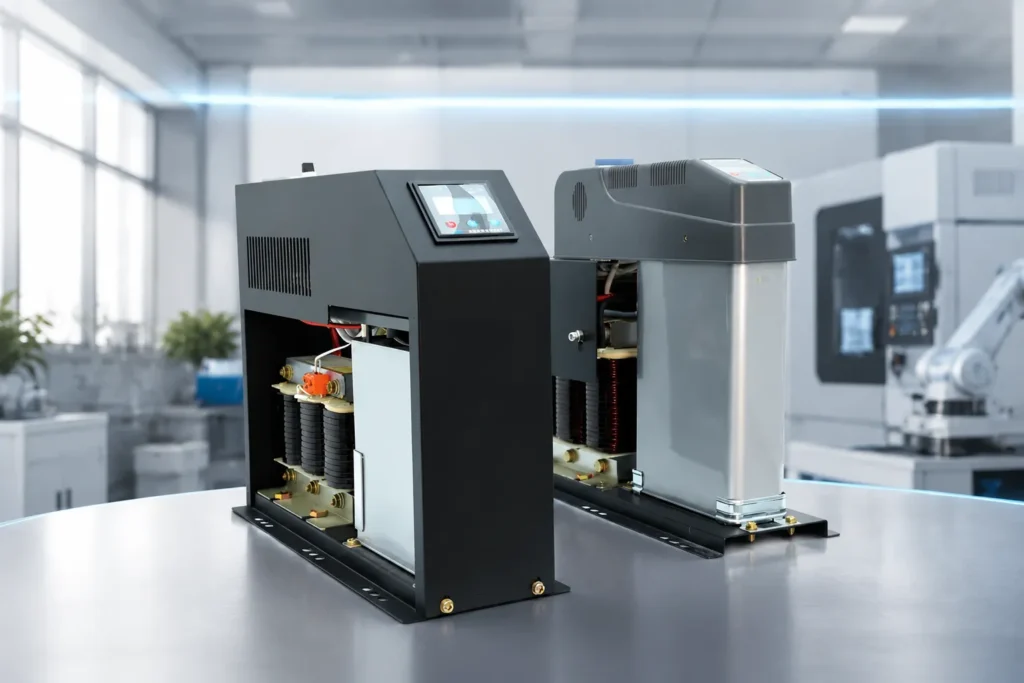 02
02A Power Quality System integrates components like transformers, voltage regulators, surge protectors, and UPS to ensure stable and reliable electrical power. It monitors key parameters voltage stability, frequency stability, and harmonic distortion to address issues such as voltage fluctuations, harmonic distortion, power interruptions, and transient spikes before they cause equipment failure or downtime. Key benefits include extended equipment lifespan, improved safety, reduced energy waste, and significant cost savings. Suitable for industrial facilities, data centers, hospitals, and homes, a well-designed Power Quality System is essential for safeguarding performance, ensuring compliance, and meeting the growing demand for dependable, high-quality power.
Read More