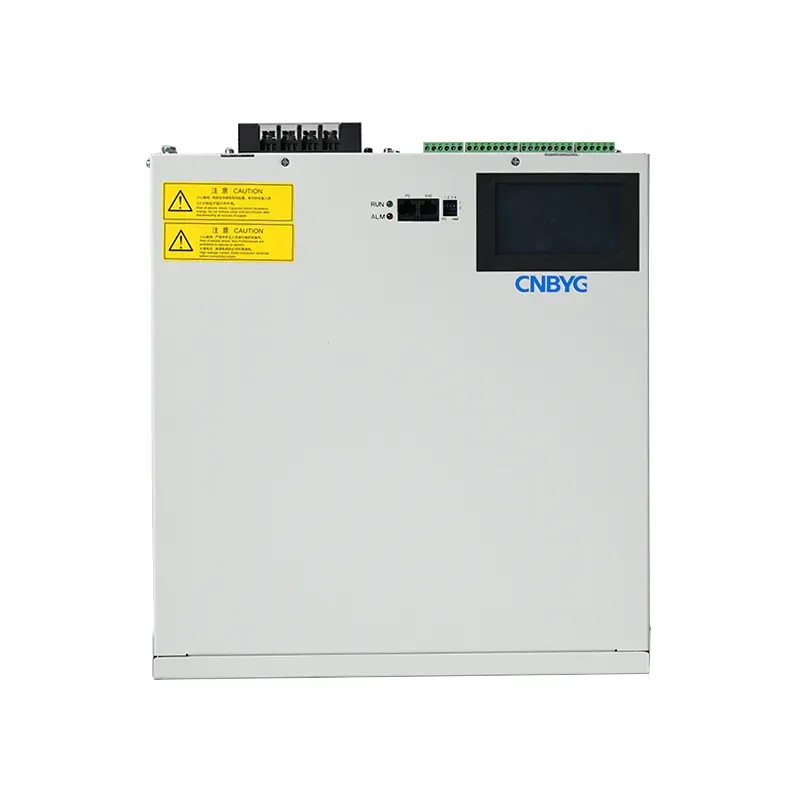
What Is an Active Power Filter (APF)?
Active power filters (APF) are very important technologies to improve power quality of electrical systems. APFs are also utilized to reduce harmonic disturbance and help improve the quality of power systems. With the rise of electronic devices used by industries, there is a greater need for a clean and reliable source of electricity which makes them essential for improving the management of electrical systems.
How Does an Active Power Filter (APF) Work?
An Active Power Filter operates by monitoring and analyzing a real-time waveform from a power system. It can identify both fundamental and harmonic components of the supply voltage and current and generate compensating currents for the purpose of counteracting the negative impacts of harmonics. By having a dynamic response, it can effectively filter out undesirable frequencies while allowing the fundamental frequency to pass through unencumbered, thus creating an optimally balanced power supply that meets the needs of sensitive electronic devices.
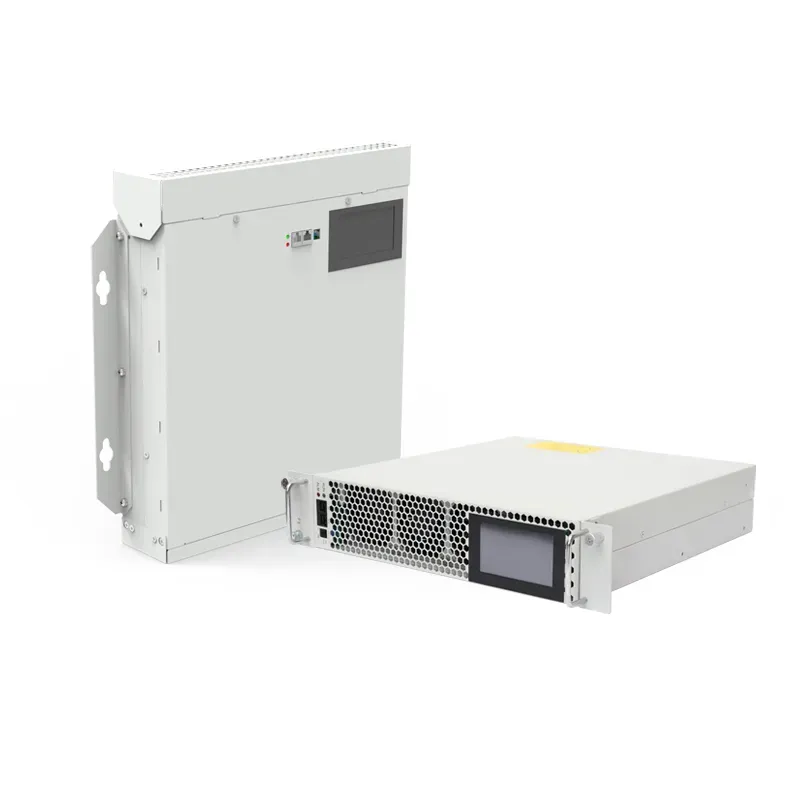
Key Benefits of Active Power Filters (APF)
The implementation of an APF offers numerous advantages:
- Harmonic Mitigation: APFs ensure compliance with regulatory requirements by significantly reducing harmonic distortions from the supply of electrical power.
- Improved Power Factor: APFs improve the efficiency of electrical devices through power factor correction resulting in reduced operating expenses.
- Enhanced Equipment Lifespan: Reduced contamination from electrical sources causes less equipment, so creating longer life for the equpped appliance as well.
- Real-time Adaptability: Compared to passive filter types, which have their characteristics predetermined, active filters (APFs) will automatically adapt themselves to changes in load and environmental conditions to provide more flexibility than passive filters.
APF vs. Passive Filter: Key Differences
A side-by-side comparison of active filters and passive filter systems quickly reveals the key distinctions between these product groups. Passive filters utilize only passive circuit elements (e.g., inductors and capacitors) to target predetermined harmonic frequencies; therefore, passive filters demonstrate little degree of adaptability to changing conditions. In contrast, active power filters employ both algorithmic computations and power electronics to offer dynamically adjusting levels of compensation over a wider operating frequency range. Because of their ability to provide dynamic compensation, active filters are generally more effective in applications where the harmonic content varies tremendously from time-to-time or from one location to another.
Common Applications of Active Power Filters
Active power filter(APF find extensive application across various industries, including:
- Manufacturing Plants: To ensure uninterrupted operation of machinery that relies heavily on electronic power.
- Data Centers: In situations that require both high reliability and high efficiency to be achieved, Power Quality Improvements will enable you to do so at their highest levels.
- Renewable Energy Systems: Harmonics are often an issue with wind turbine and solar panel generators, but the use of capacitor banks helps to stabilize their power output.
- Electrical Traction Systems: Frequently used in transportation sectors to improve the quality of traction power.
APFs do not just fulfill these functions; they also assist in complying with many of the stringent industry guidelines and standards for regulating the quality of power which has further increased their acceptance in today’s electrical networks.
FAQ: Frequently Asked Questions About Active Power Filters
What types of Active power filter(APF) are available?
Three basic kinds of active power filter(APF) include: (1) Shunt APF – A shunt active power filter connects to loads in order to mitigate current harmonics. (2) Series APF – A series active power filter compensates for voltage quality (i.e. voltage distortion or disturbances) by being connected in-series with the supply utility. (3) Hybrid active power filter – A hybrid active power filter is a combination of both an active power filter and the passive filter, which improves total performance and efficiency of the filters compared to using either method alone.
What are harmonics, and why are they harmful?
Harmonics are frequencies within an electrical system that are not needed; they are multiples of the fundamental frequency, such as 60 Hz or 50 Hz. Harmonic issues can result in overheating, failure of electrical equipment, increased energy bills and greater wear and tear on electrical devices. Active Power Filters eliminate these unwanted harmonics from the system, allowing the system to run smoothly and reliably.
Is an Active power filter(APF) worth the investment?
An APF is quite often worth the expense to implement in any industrial, data centre and/or electronic equipment-sensitive environment. In the long term, the benefits of an APF include decreased energy losses and maintenance costs, increased lifespan of your equipment and greater overall efficiency of your system, all resulting in cost savings.
Can I install an Active power filter(APF) in my home?
Although an active power filter (APF) is commonly implemented to address power quality problems, such as harmonics from today’s appliances and renewable energy systems, APFs can be used in homes where there is a power quality problem due to harmonics from your specific application. However, because they are so expensive, they tend to be implemented more frequently in larger applications.
How do I select the right Active power filter(APF) for my application?
Before selecting an active power filter(APF), a thorough evaluation of your power system must take place. Factors to consider include; harmonic distortion, type of load, rating of the load and the degree of compensation you require. In addition, working with an expert or supplier that specializes in APF will help to ensure that you obtain the best possible active power filter(APF) for your application.
By providing increased energy efficiency, protecting delicate electronics from damage, and meeting power quality standards, active power filters represent an excellent investment for any business interested in improving its electrical systems.