SVG vs ASVG: How to Choose for Industrial Power Sites
SVG vs ASVG is a common procurement fork: both use inverter-based reactive support, but ASVG adds harmonic mitigation duty on the same hardware platform. This guide focuses on practical evaluation steps for U.S. industrial and commercial buyers—measurement, documentation, and lifecycle support—not generic marketing claims. Where equipment selection is involved, cross-check public specifications on cnbygele.com and confirm project-specific limits with your utility or consulting engineer. Section checklists can be reused as RFQ attachments and commissioning handover outlines.
Part 1. Core Functional Difference
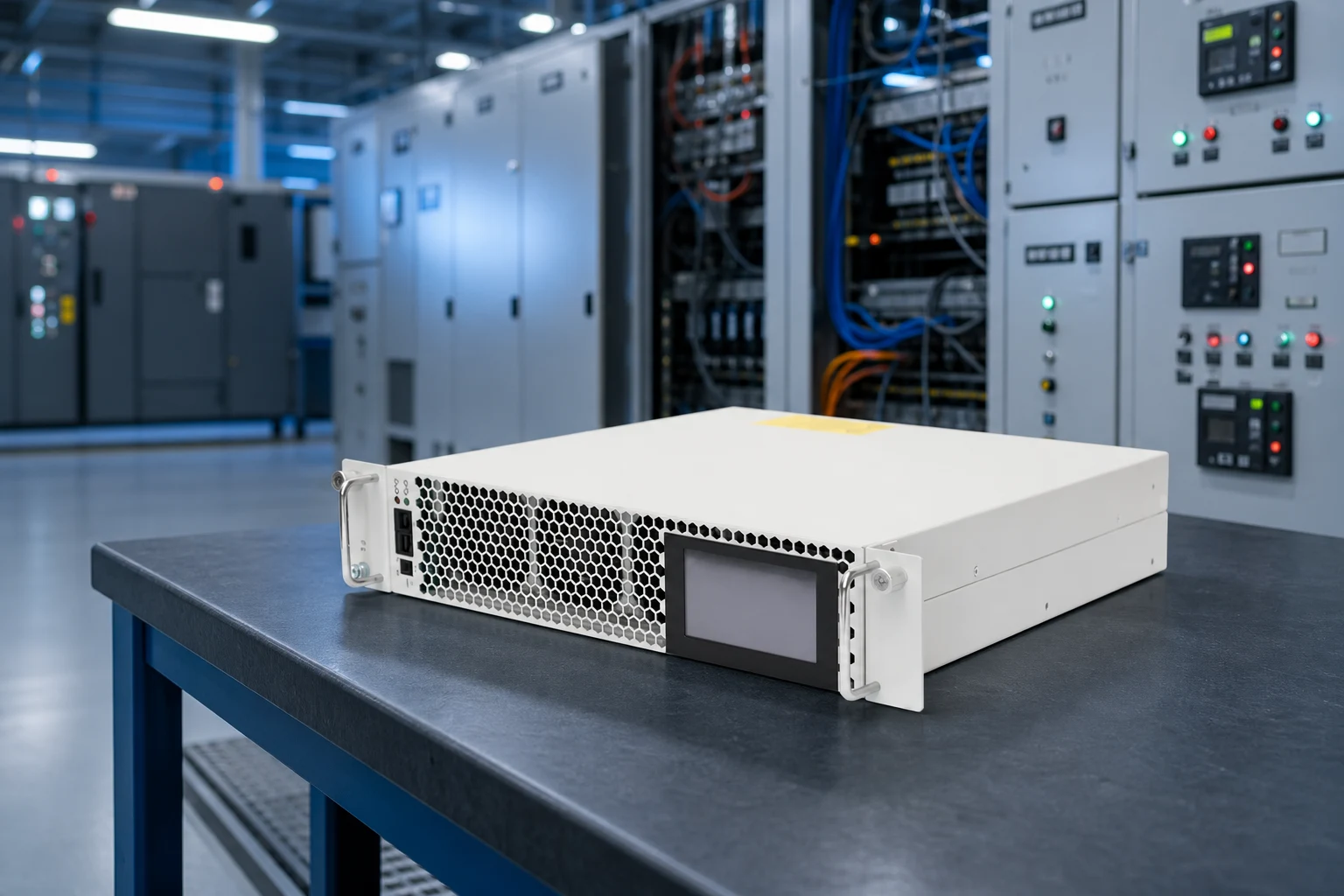
A standard SVG focuses on fast, continuous reactive power and voltage support.
ASVG extends the same inverter platform with selective harmonic current injection while correcting displacement power factor.
Power quality projects succeed when measurement, design, and procurement stay aligned across owner, consultant, and panel builder roles.
Document nominal voltage, available fault level, and ambient conditions before final equipment selection.
Use conservative language for performance claims until site-specific studies confirm targets.
Capture nameplate data, single-line drawings, and utility interconnection rules in the RFQ package to reduce back-and-forth during technical review.
If your site mixes linear motors and nonlinear electronics, treat harmonic and reactive targets as linked requirements rather than separate purchases.
Define acceptance criteria before shipment—power factor, step response, or THD at agreed load points—so commissioning disputes are less likely.
Part 2. Application Fit
SVG suits feeders with fast reactive swings but moderate harmonic distortion.
ASVG fits when 3rd/5th/7th/11th orders are significant and cabinet space favors one coordinated module.
Compare total installed cost including reactors, controllers, enclosures, and commissioning—not equipment list price alone.
Internal links to SVG product line, low-voltage capacitor banks, and active harmonic filters help buyers navigate related product categories on cnbygele.com.
Lead times and MOQ vary by configuration; confirm in quotation for export shipments.
Capture nameplate data, single-line drawings, and utility interconnection rules in the RFQ package to reduce back-and-forth during technical review.
If your site mixes linear motors and nonlinear electronics, treat harmonic and reactive targets as linked requirements rather than separate purchases.
Define acceptance criteria before shipment—power factor, step response, or THD at agreed load points—so commissioning disputes are less likely.
| Site signal | Lean toward | Why |
|---|---|---|
| Fast Q swings, low THD | SVG | Reactive-only duty |
| PF + moderate harmonics | ASVG | Shared kvar/kVA platform |
| Severe broadband THD | APF + study | ASVG may need APF backup |
| Stable base PF | Capacitor bank | Lower cost stepped correction |
Part 3. Procurement Checklist
Request response time, overload curve, and harmonic order coverage in the same RFQ package as SVG datasheets.
Compare total installed cost with separate AHF plus SVG only when studies show clear separation of duties.
Post-commissioning, schedule periodic verification of power factor, THD, and temperature rise at key buses.
Keep spare fuses, contactors, or modules identified in the maintenance plan.
Submit project parameters via CNBYG contact for engineering feedback on fit and documentation.
Capture nameplate data, single-line drawings, and utility interconnection rules in the RFQ package to reduce back-and-forth during technical review.
If your site mixes linear motors and nonlinear electronics, treat harmonic and reactive targets as linked requirements rather than separate purchases.
Define acceptance criteria before shipment—power factor, step response, or THD at agreed load points—so commissioning disputes are less likely.
Part 4. Documentation and Handover Checklist
Industrial acceptance should not rely on energization alone—documentation proves ratings, safety, and maintainability for the next maintenance cycle.
Use the tables below as a starting RFQ checklist; your utility or EPC contract may require additional items.
For product-specific datasheets, cross-check related CNBYG product pages and request any missing type test excerpts.
Align factory acceptance tests with items your insurer or utility interconnection agreement may require.
When comparing quotations, normalize currency, Incoterms, and included commissioning services before ranking suppliers.
| Document / item | Purpose | When to request |
|---|---|---|
| Factory type test report | Verify rated voltage, kvar, and temperature rise | Before purchase order |
| Single-line diagram template | Panel layout and protection coordination | Design phase |
| Communication register map | BMS/SCADA integration | Before FAT/SAT |
| Spare parts list (5+ year) | Lifecycle planning | Contract negotiation |
| Commissioning checklist | Acceptance testing | Before energization |
| Application | Load behavior | Typical approach |
|---|---|---|
| Welding / crane halls | Fast reactive swings | SVG or hybrid dynamic compensation |
| Data center UPS | Mixed harmonic + reactive | Study first; may combine APF + controlled compensation |
| Renewable coupling | Variable generation | Coordinate with inverter settings and grid code |
| Stable motor plant | Moderate step loads | Capacitor bank + controller may suffice |
Part 5. Commissioning, Monitoring, and Long-Term Operations
Commissioning should verify that reactive and harmonic targets are met at the point of common coupling, not only at the compensation cabinet terminals.
Functional tests typically include step response, power factor at defined load points, and harmonic readings compared to contract or IEEE 519 guidance where applicable.
Monitoring after energization helps catch hunting, unexpected resonance, or capacitor cell failures before they affect production uptime.
Train maintenance staff on lockout/tagout, discharge timing for capacitors, and which alarms require immediate shutdown versus scheduled service.
Schedule a post-warranty review to reassess load changes—production line upgrades often change compensation needs within three to five years.
Utility account managers can clarify whether PF adjustments affect demand charges only, energy charges, or both—align KPIs before writing acceptance tests.
Keep a spare-parts criticality list (fuses, contactors, fan assemblies, control boards) based on lead time and production impact, not catalog defaults alone.
Recommended CNBYG Products
For project support, explore related product line, power quality planning articles, OEM/ODM programs, about CNBYG on cnbygele.com.
Ready to discuss your project? Contact CNBYG engineering contact with your voltage class, load list, and target power factor or THD goals.
FAQ
What is the difference between SVG and ASVG?
SVG is optimized for fast reactive power and voltage support. ASVG uses similar inverter hardware but also injects harmonic current on selected orders while correcting displacement power factor.
When should I choose SVG instead of ASVG?
Choose SVG when measured harmonics are moderate and the primary problem is fast-changing reactive demand without strict combined PF+THD duty in one module.
Can ASVG replace an active harmonic filter?
For moderate low-order harmonics, ASVG may cover part of the duty. Severe or broadband distortion often still needs a dedicated APF or hybrid design confirmed by study.
Does ASVG cost more than SVG?
ASVG typically carries higher unit cost because of added harmonic control and rating shared between PF and harmonics—compare lifecycle value, not list price alone.
Can SVG and capacitor banks work together?
Yes—many plants use stepped capacitors for base PF and dynamic SVG/ASVG on feeders with fast swings; coordination and protection must be engineered together.
How do I size SVG vs ASVG for a plant feeder?
Use interval measurements of kW, PF, and harmonic spectrum at the PCC; allocate module rating to reactive and harmonic duties per vendor datasheets and acceptance tests.
References