Power Meter Firmware Updates: Build a Regression Acceptance Plan
A power meter firmware update regression plan checks whether an authorized change preserves the measurements, settings and data paths that the site actually uses. Save a verified baseline, define specific acceptance observations, confirm the manufacturer’s supported recovery options, and test the complete collecting path after the change. Do not assume that a meter supports field updates or firmware rollback merely because its product family has a communication option. This guide concerns the acceptance plan around a documented update; it does not provide a flashing procedure or recommend installing firmware without an identified operational need.
First establish whether an update is supported and necessary
Begin with the full model designation, installed options and applicable manufacturer instructions. Record the current documented version, proposed package and reason for the change. A support request, release note or compatibility requirement should explain what the update is intended to resolve. If the supplier has not confirmed that the exact hardware supports that package and update method, the project has not reached the execution stage.
A newer version number alone is not an acceptance criterion. Ask which functions change, which settings may be reset, whether communication definitions change and what dependencies exist in the gateway or collecting software. Separate a firmware change from a parameter edit or register-map documentation correction. Their effects may overlap, but their evidence and recovery requirements differ.
The NIST software and firmware update guidance supports testing for effectiveness and side effects. Its organizational guidance does not certify a particular meter package. Use it to frame the review questions, then obtain the actual device instructions from the responsible manufacturer.
Build a baseline that can be compared afterward
Capture the settings and representative observations that matter to the installed application. Depending on the documented variant, these may include ratios, units, point definitions, communication settings and values delivered to the energy management system. Preserve the observation time and relevant operating condition. A screenshot without the point name or unit is difficult to compare and can hide a changed scale.
Keep original exports and readable configuration records together. If export is unavailable, document the approved alternative rather than claiming a backup exists. Identify which settings are stored in the meter and which belong to the gateway, application or report. Restoring one layer does not necessarily restore the full data path.
For the documentation side, review the existing register-map revision article. That article helps establish what a point means. Regression acceptance goes further by checking whether the intended end-to-end behavior remains valid after a change.
Choose acceptance observations before the maintenance window
Define the expected outcome for each critical use, the evidence needed and the person who can accept an exception. Avoid a single checkbox labeled communication OK. The application may connect successfully while decoding values incorrectly or presenting old records as fresh observations.
The following worksheet offers qualitative test categories. Actual tolerances, quantities and observation durations must come from project requirements, the manufacturer and the measurement context; no universal numerical limits are implied.
| Area | Baseline evidence | Post-change observation | Reason to hold acceptance |
|---|---|---|---|
| Asset identity | Model, installed option and approved package match | Same intended physical endpoint is being tested | Hardware or package applicability is unresolved |
| Configuration | Readable record of required settings and their owners | Required settings match approved values | Unexplained default or missing configuration |
| Measurement meaning | Quantity, unit, ratio and point definition | Same intended engineering interpretation | Changed scaling or ambiguous units |
| Collection path | Meter-to-gateway-to-application evidence | Fresh values arrive at the intended points | Connection works but freshness is unproven |
| Recovery readiness | Supported recovery method and responsible owner | Method remains available under documented conditions | Recovery depends on an unverified downgrade |
| Reporting continuity | Historical boundary and known data-quality state | Change period is marked and exceptions retained | Gaps or duplicates are silently treated as valid energy |
Compare behavior under meaningful operating conditions
A before-and-after comparison needs context. If load changed during the maintenance window, different readings may be expected. Conversely, a value that remains identical may be stale rather than stable. Record enough operating information to explain what can reasonably be compared and use documented test arrangements where available.
For live electrical measurements, let qualified personnel select the appropriate method and equipment. This article does not authorize manipulating a circuit, interrupting current-transformer wiring or creating a test load. A communication regression plan is not a substitute for electrical commissioning or measurement accuracy verification.
Evaluate the chain in stages. First verify the intended endpoint and its documented point meaning. Then check the gateway interpretation, application freshness and report presentation. If an error appears only in the final report, preserve the earlier evidence instead of repeatedly changing the meter. The staged record narrows the fault location and reduces unnecessary intervention.
Distinguish a changed map from a changed value
A firmware change can require a documentation review even when a polling request still receives a response. Preserve the current communication manual and any release-specific notes. Compare function, offset, data type, word order, scale and unit where those fields are documented. Do not infer compatibility from an unchanged register count.
Some differences originate outside the meter. A gateway profile may apply a scale, and a report may apply a multiplier again. Record the transformation owner for each step. If a value changes by a simple factor, investigate the documented configuration chain before declaring that the firmware changed measurement performance.
The existing Modbus communication setup guide provides the broader integration context. Use a regression worksheet to connect that context to a specific approved maintenance event, rather than treating general protocol support as proof of compatibility.
Define recovery without assuming rollback is available
Ask the manufacturer what recovery is supported for the exact variant and change. Recovery might involve a documented configuration restoration, a supported service operation or replacement with an approved unit. An older firmware package is not automatically a valid recovery method. Compatibility and security controls can limit downgrades.
The NIST operational technology security guide provides general change-management and operational reliability context. Apply that context by defining who stops the change, who makes the recovery decision and which evidence is required. Do not turn a generic contingency statement into a promise that a field downgrade will work.
Keep the recovery decision separate from the acceptance result. If a test fails but operation can safely continue under an approved temporary condition, document that exception and its owner. A temporary operating decision does not make the failed test pass. Record an expiry or review trigger so an unresolved issue does not disappear into routine operation.
A hypothetical regression review
Imagine a plant changing a documented meter software version during planned maintenance. The team saves the required settings, collecting-point map and representative observations. Its acceptance plan requires correctly interpreted fresh values in the application, preservation of required settings and an explicit record of any collection interruption.
After the change, the gateway connects and the local observation appears plausible. The application, however, continues to display the last pre-maintenance timestamp. The team records the connection as successful and freshness as failed. It investigates the collection layer without inventing a device accuracy problem or treating the visible number as a new measurement.
Once the supported collecting path is restored, the team checks the affected interval records and documents the data gap. It does not fill the missing interval with zero energy. This example illustrates acceptance reasoning only; it is not a reported customer case, a firmware compatibility claim or evidence that any BY194 variant offers a particular update function.
Product and procurement boundaries
The BY194 multifunctional power instruments are the relevant product family for the illustrations and integration context. The public family description includes optional communication. It does not establish field-update support, package authentication, backup, rollback or a firmware identification register for every option.
For an RFQ or support request, supply the full designation, installed communication option, application requirements and the issue being investigated. Ask for the applicable manual, supported maintenance method and acceptance information. Include gateway and collecting-software details so responsibility for each transformation and data path is clear.
Retain a separate maintenance data-gap record when collection is interrupted. That record addresses the reporting consequences of missing observations. It complements regression acceptance without turning a firmware test into a generic data-cleaning exercise.
Further learning: software race conditions
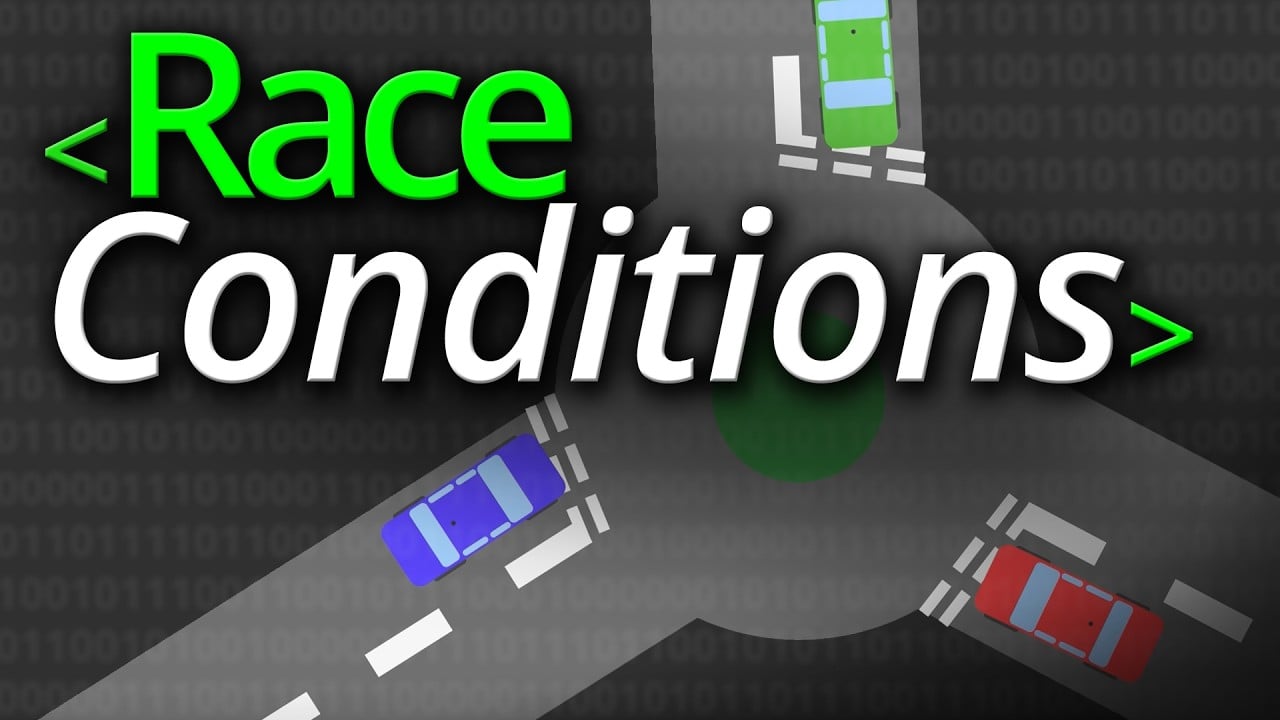
This neutral Computerphile lesson explains race conditions and the importance of operation order. It supports the discussion of asynchronous collection and state verification after a change. It is not a meter update tutorial, and its examples do not establish any behavior of the illustrated product. Follow the exact manufacturer procedure for any authorized device maintenance.
Frequently asked questions
Does a successful gateway connection complete regression acceptance?
No. Confirm endpoint identity, documented point meaning, required settings, fresh application values and any reporting consequences. A connection result is one observation within the acceptance plan.
Must before-and-after readings be numerically identical?
Not necessarily. Operating conditions may change. Compare values using documented quantities, units and test conditions, and apply only project-approved acceptance criteria rather than an invented universal tolerance.
Can the previous firmware always be restored?
No. Recovery depends on the exact variant and manufacturer-supported method. Confirm the approved contingency before execution and do not assume that possession of an old package makes downgrade supported.
What should the final maintenance record contain?
Keep the applicable package and document references, baseline, actual tests, results, data interruption, exceptions, recovery decisions and acceptance owner. Clearly distinguish completed tests from deferred work and unresolved behavior.